

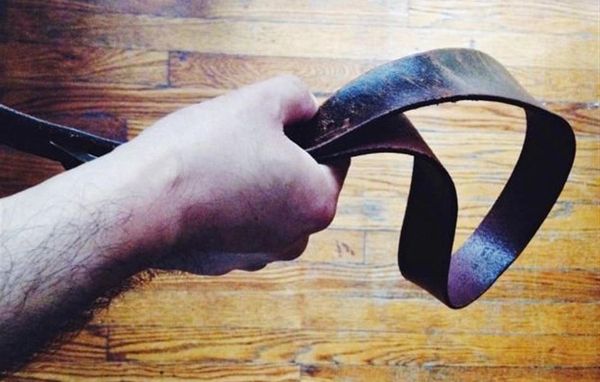
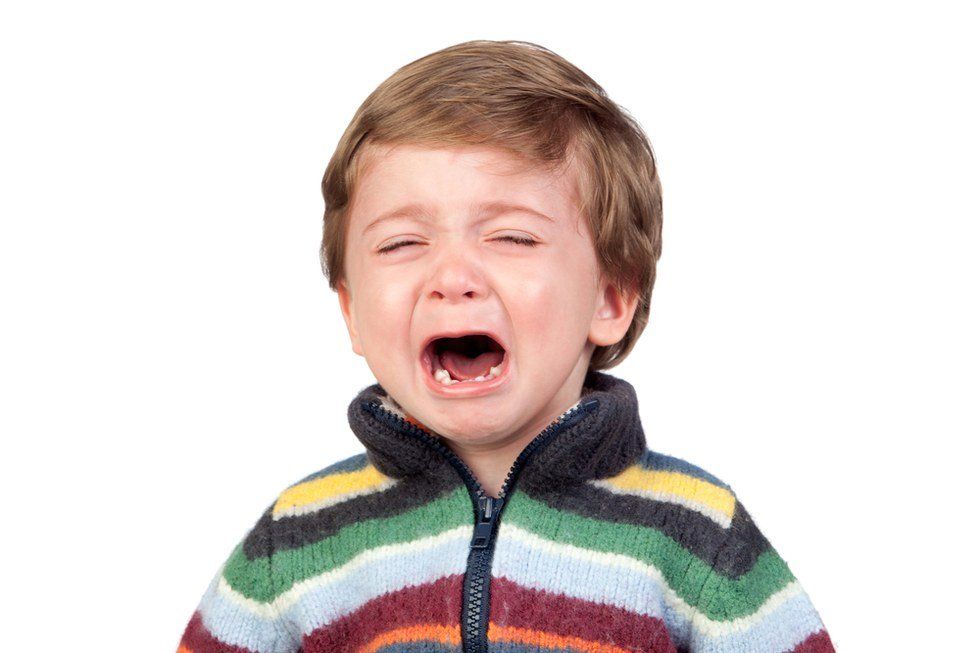
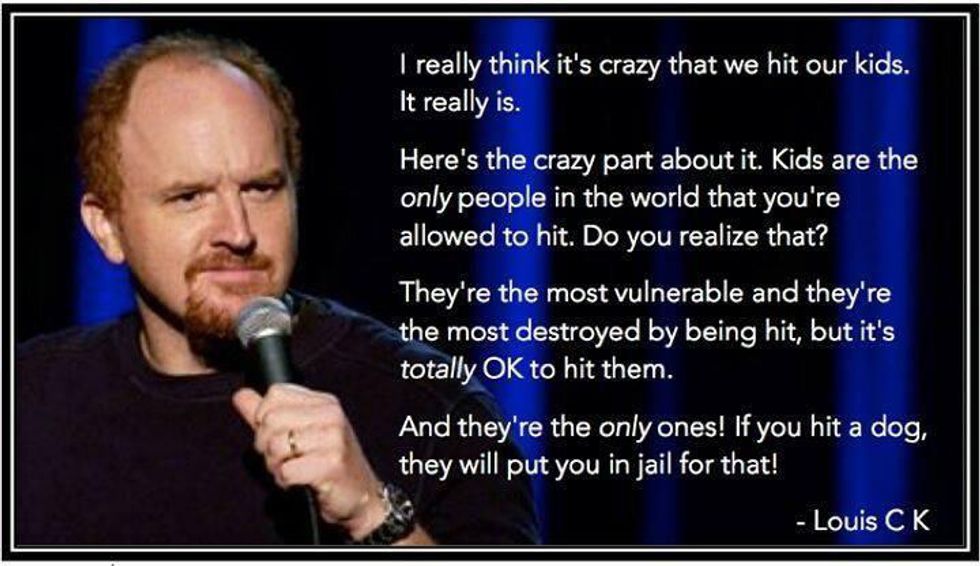
Spanking, a form of corporal punishment where a parent physically strikes their child with an open hand to try to correct their behavior, is a highly common practice in the United States. 50 percent of American parents reported spanking their children, and 65 percent approved of spanking in 2002. However, American parents who are more educated tend to be more wary of spanking — 38 percent of American parents with a college degree spank their children.
Its popularity, though, does not mean that it works or that its benefits outweigh its negative consequences. In reality, spanking is a Really Bad Idea™ that the Association of American Pediatrics does not recommend under any circumstances, at all, ever. Spanking is illegal in 35 developed nations, and the United Nations has called it a violation of a child's basic human rights. Here are some of the reasons why based on a large body of psychological research:
First of all, spanking leads to negative effects that can appear within a few years, such as increased aggression as well as worse thinking abilities and allowing children to fall behind their peers in development of thinking abilities. Kids who were spanked are more likely to endorse hitting friends and family as a way to solve interpersonal problems. And, ironically, five-year-olds who were spanked are more likely to become defiant and easily frustrated, throw temper tantrums and insist that their desires be met immediately.
Second, spanking is ineffective in continued use. It teaches children to fear and resent their parents — and even if children stop their tantrums after being spanked, they are unlikely to understand what was wrong with their behavior. Spanking is no more effective than other disciplinary methods and becomes less effective with repeated use. But when spanking begins to fail, parents are more likely to ramp up the intensity of their punishment than to use a different strategy like sending their children to time-out or revoking privileges — which makes sense, since 85 percent of the time, parents who spank their children are angry, depressed, agitated or fatigued while they do so. This becomes a cycle of increased aggression and increased spanking, but "[i]f parents can stick to non-physical forms of punishment when a toddler acts out, they are more likely to have a well-behaved child at ages 3, 5 and 9."

Third of all, spanking has consistently linked to a wide variety of negative effects on children later in life; the previously described higher levels of aggression and negative mental effects last through adulthood. Because children learn by modeling their parents' behavior, spanking teaches children to solve their problems through violence. This lesson is kept through adulthood — for example, the more that someone is spanked as a child, the more likely they are to slap their partner or spouse and believe that it is okay to do so. Predictably, this goes hand-in-hand with a higher probability of long-standing, unresolved marital conflicts.
People who were spanked as children are more likely to have depression, anxiety, feelings of hopelessness and general psychological maladjustment. They also have lower IQs, probably due to the negative relationship between spanking and brain development. On a similar note, use of spanking and of other forms of corporal punishment is linked to delinquency and abuse of drugs and alcohol.

And naturally, spanking begets spanking, becoming a self-repeating cycle of violence: 73 percent of parents who spank their kids were spanked themselves.
Finally, I want to address one insanely idiotic argument that people somehow still use: "I was spanked, and I turned out great!" or "I spank my children, and they turned out fine!" This is a classic example of the personal anecdote logical fallacy, where someone pretends that their personal experience applies statistically to an entire population. As one Tumblr user eloquently quipped, "Well, actually you think that [it's] ok to hit children. So maybe you didn’t turn out as “ok” as you think you did," and another pointed out that "I turned out okay despite being spanked, not because of it." Or, as a writer for CNN put it, "consider that you don't know who you would be or how your children would behave in a world without spanking."
Basically, don't hit your kids. Alternatives include sending them to time-out to reflect on their behavior, revoking their privileges, verbally rebuking them and many other things that don't involve physically striking your own children.
For more information on this subject, check out some of the following resources:
Psychology Today: "Research on Spanking: It's Bad for ALL Kids"
Huffington Post: "Spanking Children Linked to Mental Health Disorders"
Lifehack: "The Long-Term Negative Effects of Spanking"
Babble: "The Spanking Cycle"

















