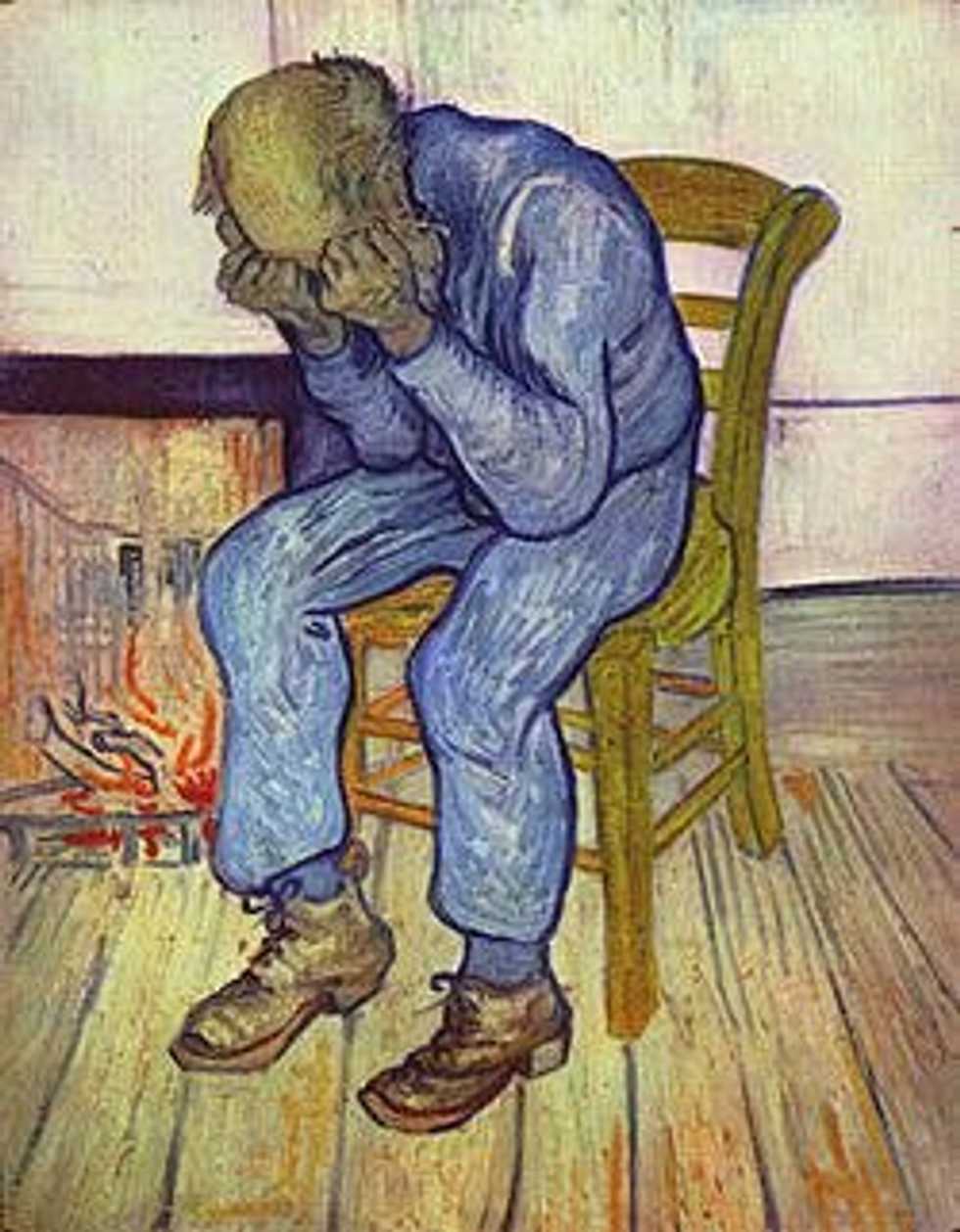
As of 2014, 18.1 percent of adults in the United States live with a mental illness. I am one of those people. In my sophomore year of high school, I was diagnosed with clinical depression and a panic disorder. Over the years, I've worked hard to maintain my mental health. It's not an easy battle, but the support and understanding from my peers have made fighting easier. Of course, not everyone has been fully supportive. While there are some individuals who mean to cause harm, others unintentionally say insensitive things. Here are just a few examples of what not to say to someone with a mental illness.
1. "Just don't think about sad things!"
Easier said than done. Depression isn't something you can turn on and off at will, and it's a lot more complicated than just being sad. Often, people with depression don't know why they're depressed, so telling them to stop thinking sad thoughts is not the most helpful piece of advice. While cognitive-behavioral therapy essentially trains you to refocus your mind away from negative thoughts, it isn't something people with depression can do on a whim. It takes time and practice.
2. "It's all in your head."
You know what else is in my head? Headaches. Being in my head doesn't make them any less real. Just because you can't always see the symptoms of a mental disorder doesn't mean the person is making it up. Saying something like this to someone with a mental illness will likely only make them feel worse.
3. Referring to someone as the "depressed" or "bipolar" person.
People are not their illnesses, so don't talk about them as if that's an identifiable trait. Besides, it's typically not your place to share someone's mental illness with others. For a lot of people, their mental illness is a private matter, and you should respect that.
4. "You don't need to take medication for that..."
First of all, you don't know what I do or don't need to treat my mental illness. That is for a trained psychiatrist to decide. Also, it's important to remember to never shame someone for taking medication, especially if you're healthy and medicine free.
5. "Calm down!"
No one likes being told to calm down. While your intentions may be good, it doesn't really help someone in the midst of a panic attack for you to tell them to calm down. How people treat panic attacks can vary, but never has telling someone to calm down been successful.
6. "Other people have it worse."
Telling people this only makes them feel guilty, not better. Personally, I'm well aware of how terrible the world can be, and it feeds into my depression. I know that I'm blessed with a loving family, an education, and financial stability. My depression and panic disorder are separate from these things in my life. Never presume you know why someone should or shouldn't feel depressed or anxious.
7. "You don't look depressed or anxious."
I'm not sure why people say this, but they do. People don't always wear their emotions on their sleeves, even people with mental disorders. Some people have even learned to mask their depression or anxiety, so they can get through the day without drawing attention to themselves.
8. "But you were fine last week!"
Some mental illnesses never truly go away, but people have good and bad days. While I may have a few good days, it doesn't mean that my mental disorders have been cured. I will likely have some bad days and I will deal with them when they arrive. There is no timeline for mental illnesses.