
You very well may have heard the phrase "black is beautiful" or "the blacker the berry, the sweeter the juice" before.
However, despite these phrases and the claim and truth that black is beautiful, the media sheds light upon other types of beauty more often than black beauty. Fairness creams have glorified white beauty, while ads for hair straighteners and hair extensions have been mainstream. Black culture has constantly been stigmatized--being viewed by many in society as too "obscene." What does it take for someone to portray herself and others of her race as beautiful, inside and out? This question is answered by a Boston artist and photographer by the name of Karalynn Ojeda-Pollard.
Karalynn Ojeda-Pollard is a 17-year-old Cantabrigian artist of the "Real Talk" organization which facilitates workshops countering racism. She has been working on a presentation entitled "The Melanin Series" stemming from her experiences as a woman of color. Ms. Pollard had the epiphany of not having to perm her hair to be beautiful; because she already was. She cut her processed hair to its original form and made some major life changes such as substituting meat with nut proteins and eating vegetables. She did this not to have "the perfect shape" but to be healthy. Pollard decided that women of color can make their own decisions without being subject to any type of societal construct.
Her Art-Work:
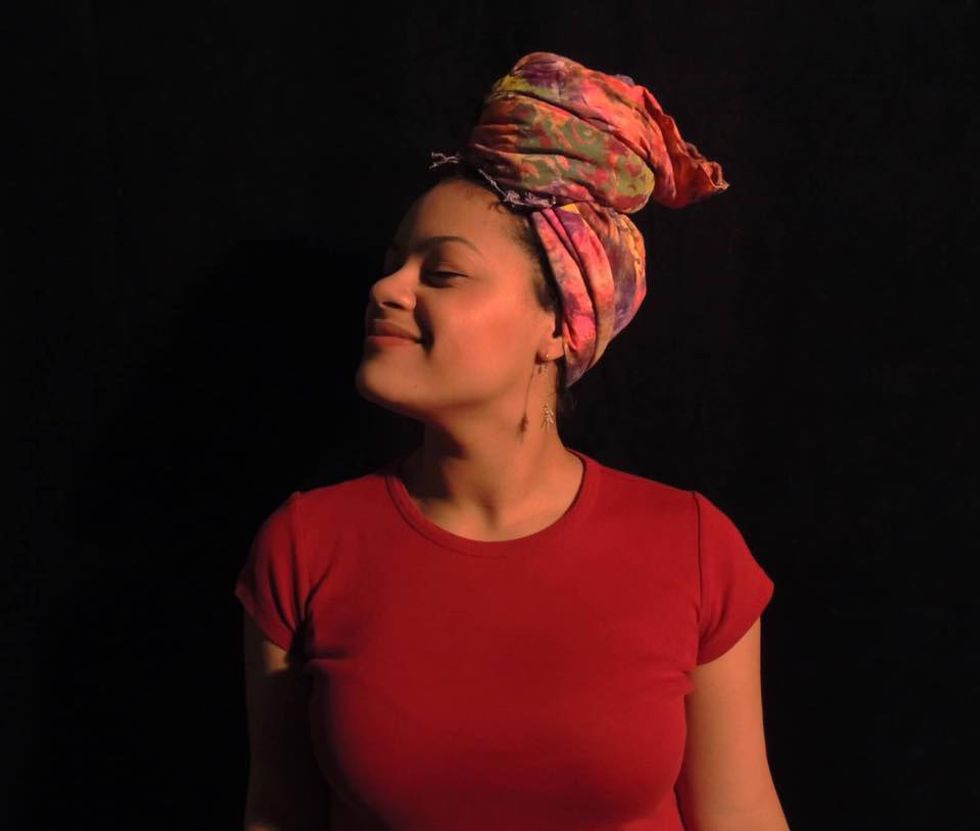
This scarf style is typically worn by African women and the scarf colors represent the illumination of black beauty, which can touch the lives of many. Look at the beautiful smile on this woman's face. "Euphoria!":


These self-portraits silhouette black beauty with the yellow background representing "enlightenment."
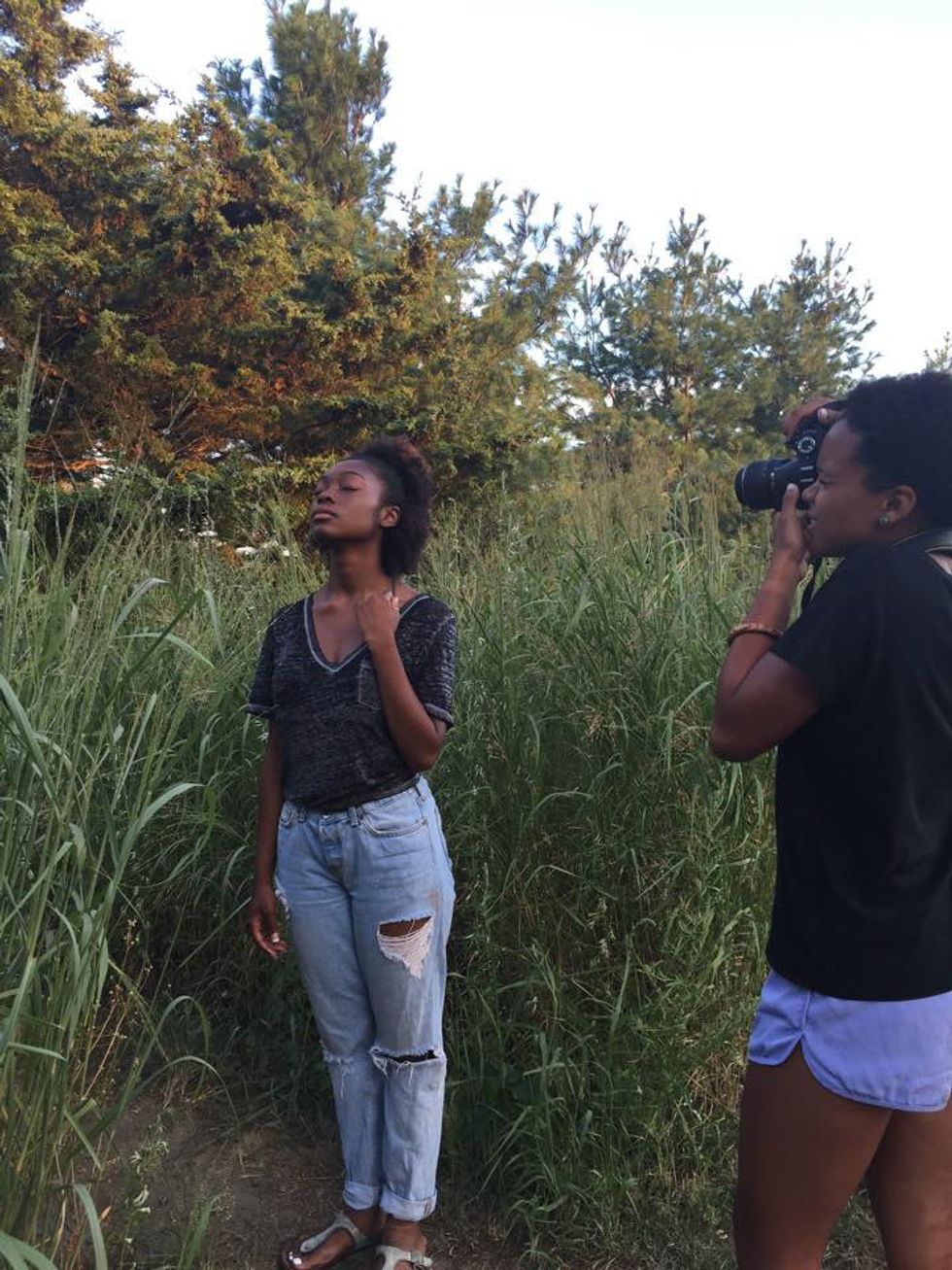
This picture represents the power that black women may freely express.
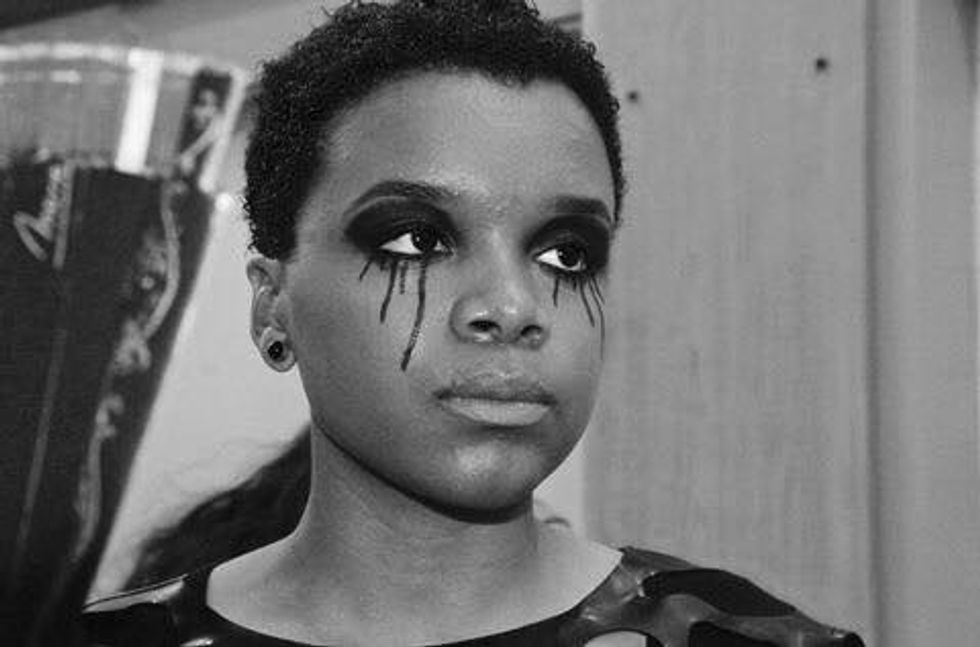
This is a self-portrait of Pollard at a domestic violence exhibition. Pollard is a strong advocate for the promotion of healthy relationships--an issue in several communities, whether they be black, white, or otherwise.
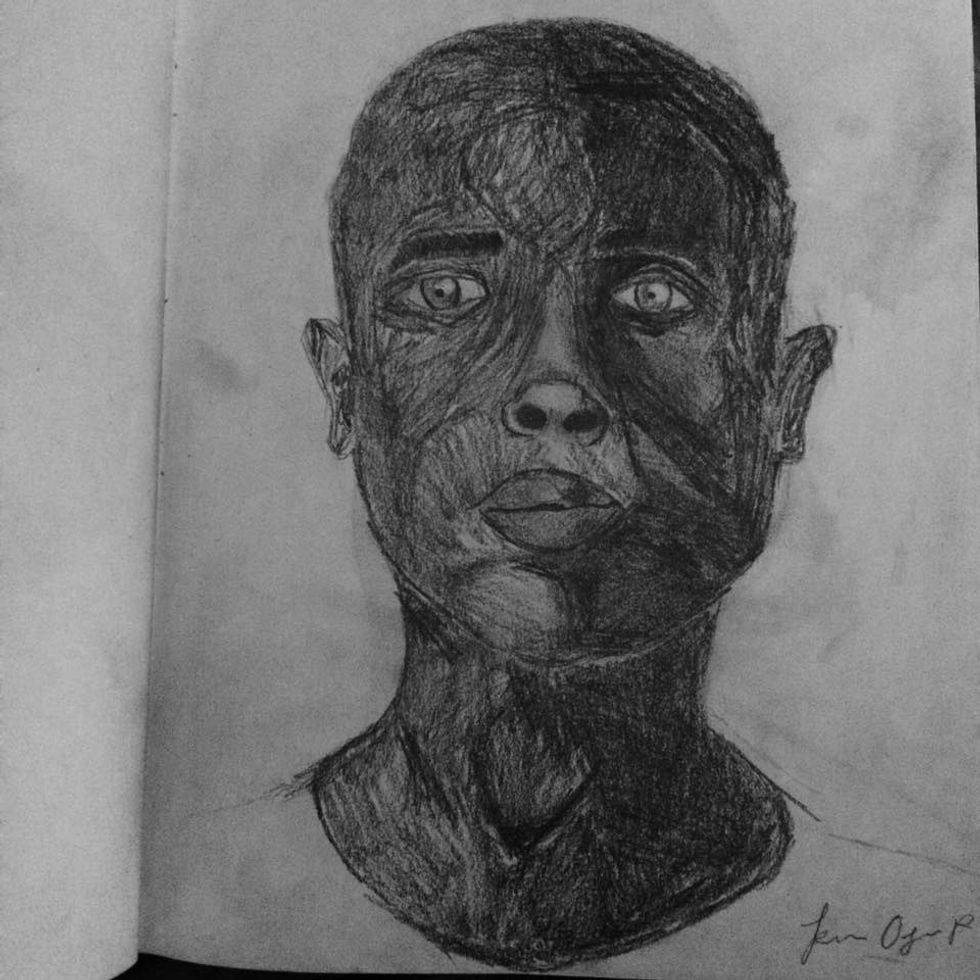
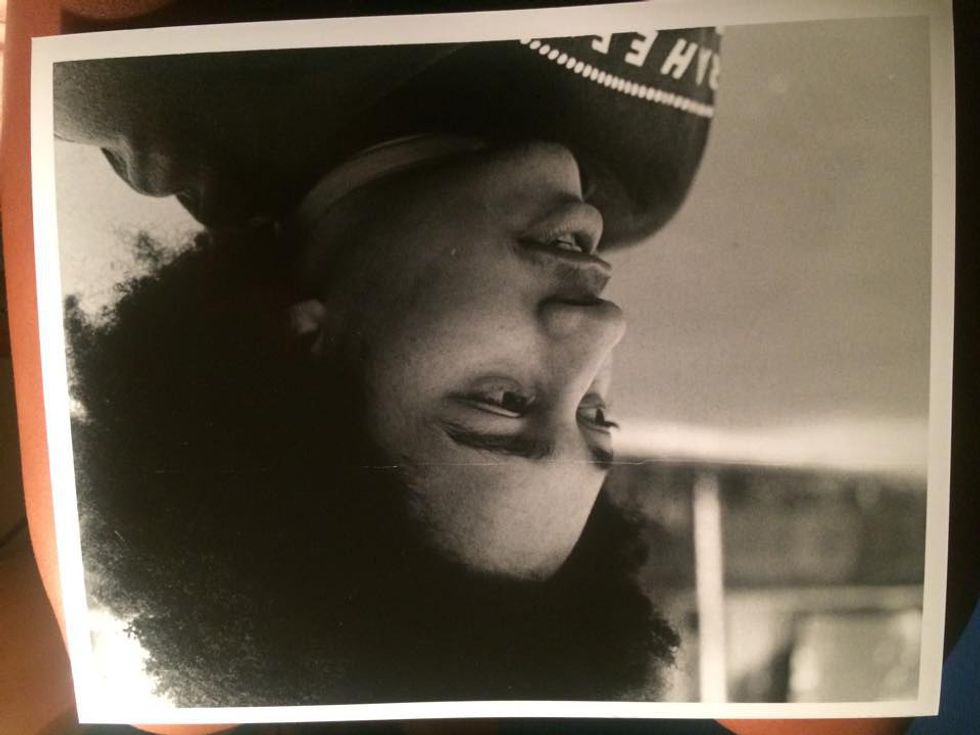
These pictures represent the strength of black men. Rather than referring to black men as "niggas"--an abbreviated version of "niggers"-- used to dehumanize black people, Pollard prefers the word "negus." This word means "king" or "ruler" and is much more empowering. The word originates from Ethiopia's Amharic language: the first civilization in the world was established in Africa and colonizers looked at Africa as a rich site. Rather than being profiled and missing opportunities, black men TODAY should be treated like the kings that they are.
So--black is beautiful because it simply is.

















