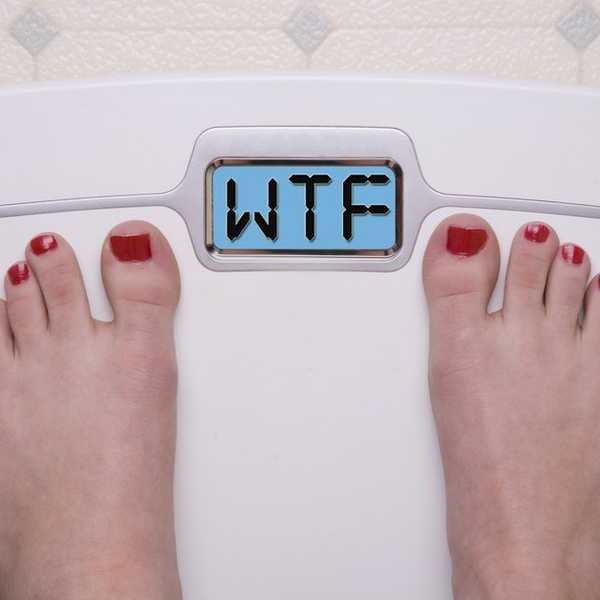
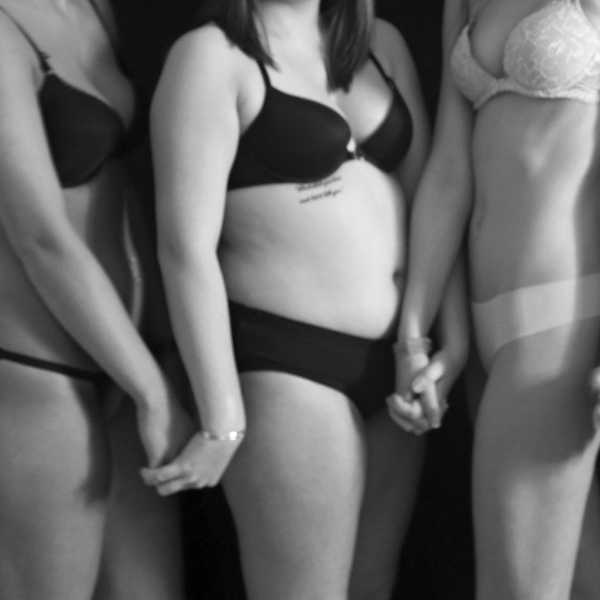
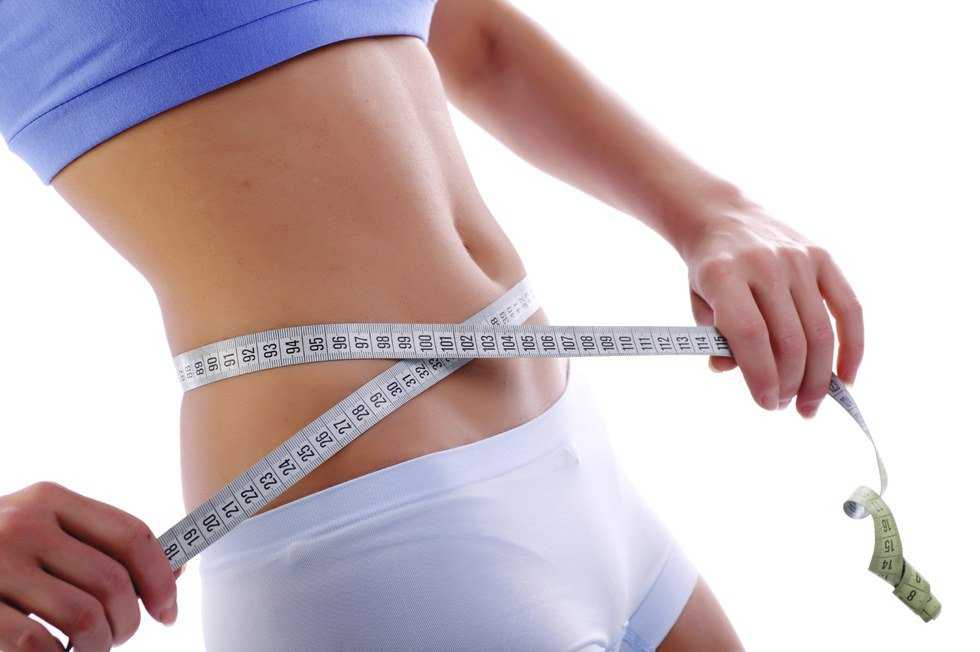
My body, just like many other young adults and teenagers, in on the slimmer side. I don’t work out too consistently, I eat what any normal teenager eats (though I do love my cupcakes and waffles a little more than I should), and I am a full time student and employee. I get busy and tired, just like everyone else, and I will spend days in my bed if my schedule allows and wallow in a bag of Cool Ranch Doritos and stuff my face with Sprinkles Cupcakes. But I don’t seem to gain any weight. For me, this is no issue. When I do workout, it’s not in hopes of losing weight, I work out to be healthy and fit. I don’t diet to stay skinny, I eat all the sweets I encounter and then some. I do not have an eating disorder; I am just skinny. And that’s okay.
I cannot tell you how many times I have been at work or out running errands, minding my own business, and a costumer or errand-runner will make an absurd comment about how “thin” I am, and how I should “eat a cheeseburger.” You know what, said commenter? I will eat a cheeseburger. In fact, make it a double-cheeseburger with extra burger sauce and a large chocolate shake, too! But why is my diet any of their concern? Why is the way I look or the way my clothes fit my body an issue to them?
In the 21st century, obesity has become a major issue in our society. With the convenience of fast food at nearly every corner, a good portion of people have started to gain weight. The media is aware of this, and they get the first hand of judging and shaming people for the way they look. Just as obesity is an issue, so is the need for girls to be skinny. The mass-media is filled with models and actresses of skinny exterior. These females are looked up to by young adolescents and young adults for their body figures. And the media doesn’t just put these faces on their magazines or in their ads; they target the body figures and suggest that normal, every day teenagers and young adults can “drop 10 pounds by partaking in this special diet that Khloe Kardashian uses!”
For some girls, like myself, we have a fast acting metabolism that allows us to never truly gain or lose much weight. Ohers, unfortunately, are developing severe eating disorders to remain thin and in hopes of achieving the body types of models and actresses. While an eating disorder is in no way a good or healthy choice, it is still no one’s call to body shame them. For starters, isn’t that what our society is pushing on young girls? To be skinnier? To look like the models and actresses that we see all over the media? Regardless if a girl is skinny due to her genes, working out and being healthy, or because she has a self-diagnosed eating disorder, no individual has a say in what she should eat or comment on how thin she is.
Understandably so, if a friend or someone you know does have an eating disorder, there are different ways to go about helping them. Making the comment about how thin they’ve gotten is not one of them. It is okay, and strongly advised, to try and seek the help that they may need, and to be there for them, though.
Being a girl who is skinny shamed on the daily, I know what it feels like to be uncomfortable in my own skin. I know how it feels when someone just assumes you’ll have the ‘house salad’ for dinner, instead of the greasy pizza. I also understand that I can’t help the way my body works and the fact that I’m skinny. I’m sorry if it makes you uncomfortable that my hips stick out of my jeans and over my swim suits, I’m sorry that you don’t like the way my ribs are outlined when I wear a tight shirt, but I’m even sorrier that you are so uncomfortable in your own skin that you have to point out my weight to benefit yours. This goes with being overweight or not being as skinny as the models you see on tv. Either way, it is in no way okay for someone to shame you for the way your body looks.