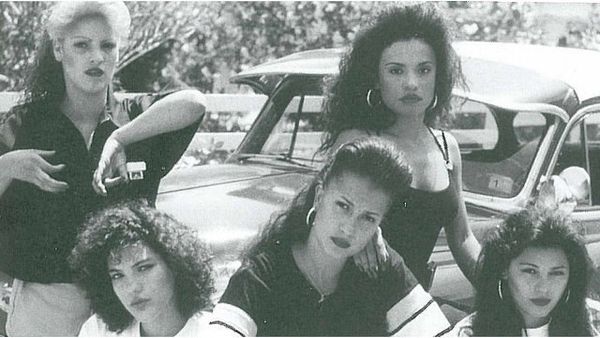
I didn’t like almost all of the people I consider my best friends when we first met.
Human perception is truly a remarkable thing. It takes less than a second for the mind to formulate a conclusion about information from a million different sources. Even more remarkable is that this synthesis of information and production of output is so hard-wired in us that it is seemingly automatic.
But how can something so complicated happen so quickly? Making a judgement is like putting every experience you’ve had and every fact you know having to do with a particular subject on one piece of paper, reading it, analyzing it, comparing it, and finally making a conclusion. It is the kind of work that court judges do in days, compacted into one single second. A truly incredible feat.
I ask you, however, to consider what it would feel like to be judged in court. Would you want the jury and the judge to deliberate tirelessly, taking into account every consideration carefully, or would you want them to judge you in less than a second?
I think most would choose the slower path– and for good reason. The efficiency of judgement the human brain makes in those few seconds is, perhaps, remarkable, but incredible speed can also cause you to overlook some of the important considerations.
Some call these snap judgements implicit bias, or prejudice. It is something that pervades our society today, even in those who are not bigoted, malicious, or ignorant. We are simply humans with an automatic setting in our brains that sometimes makes us too quick to judge.
It is true that trusting your first instincts can be important. Sometimes, we have to make quick decisions and stick with them, or we have to protect ourselves from somebody who makes us feel unsafe or uncomfortable.
In the case of judging another human being, however, you should never let your first gut impression color the rest of your interaction with that person. It is only through an awareness of the automaticity of our perceptions, and a conscious effort not to rely on implicit bias and prejudice, that one can overcome it. I encourage you to keep this in mind when you meet somebody new, and to remember that they could become one of your favorite people.