Seven days.
Seven days this past week was committed to starting a very difficult conversation about mental health. December 5th-12th was declared Mental Health week. This week inspired many to share their struggles with mental illness.
According to research done by the Huffington Post, thirty percent of college students reported feeling so depressed that their school work was affected. Additionally, fifty percent of all Americans with major depression do not seek medical help.
With such staggering statistics, the question must be asked: Why are people so afraid to talk about mental illness?
Mental Health Week is a great initiative because it gets the conversation started. But what is needed is an open dialogue. People who are already hurting are usually reluctant, or too scared, to talk about their problems, thus making it exceptionally more difficult to seek help.
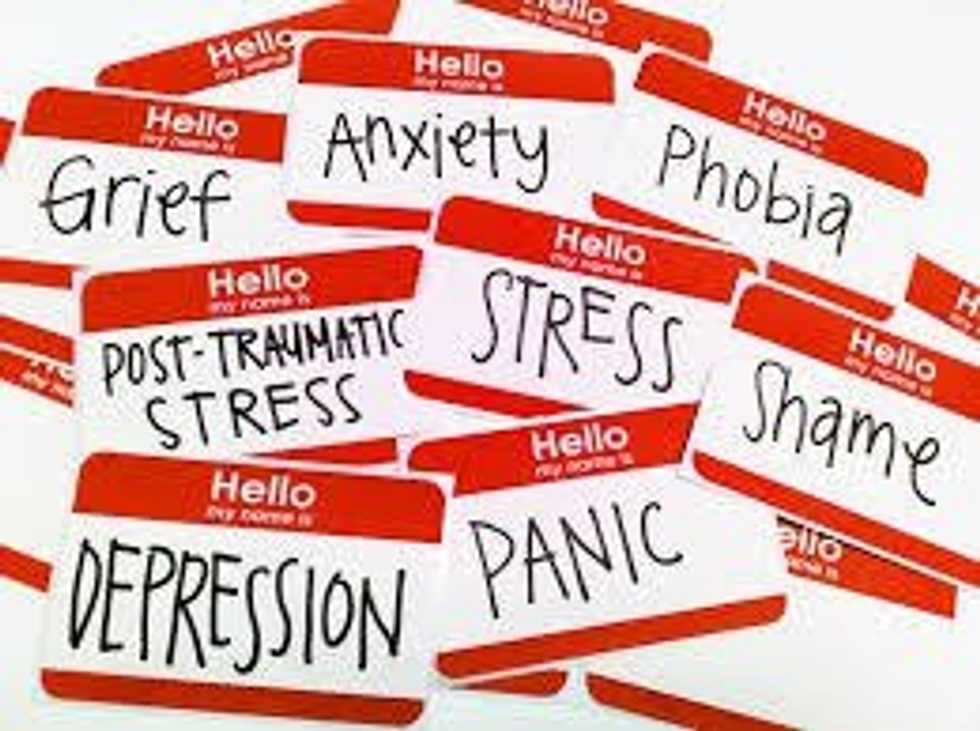
There is a stigma in the United States that mental illness is weak and something to be ashamed. That is simply untrue. Depression, bipolar disorder, schizophrenia, anxiety, ADD/ADHD, OCD, and many other diseases deserved to be treated for what they are: diseases. There is very little information readily available to the general public about these staggeringly common conditions that affect millions of people each year.
It is perfectly acceptable to talk about diabetes, or heart failure, or flesh-eating bacteria because they are conditions that can be visibly be identified and treated. However it is somehow shameful to seek help for neurological problems which cannot necessarily be identified. No person should ever feel hesitant to seek help because there is a chemical imbalance in their brain which triggers bipolar disorder or depression.
While seven days is a great start, it is nowhere near what is needed to change the stigma. Striving for three-hundred-sixty-five days of mental health awareness is the only way to ensure people feel safe enough to seek necessary help.