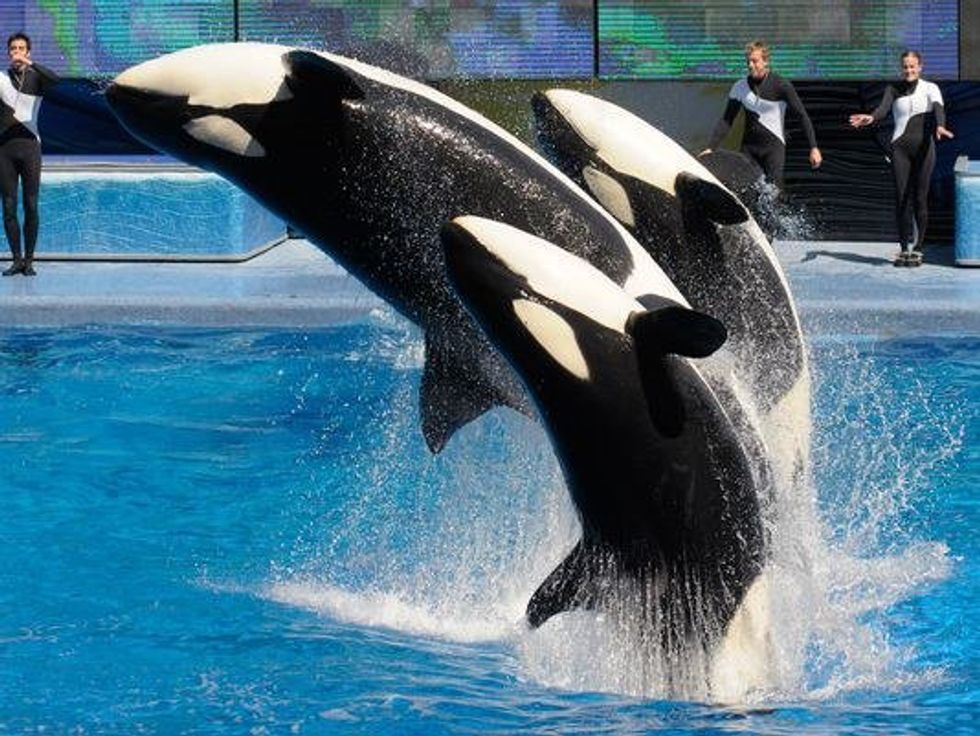
On Thursday, March 17, SeaWorld announced that its parks would officially end all live orca shows and transition to educational whale encounters.
"We’re making historic announcements at SeaWorld, including ending orca breeding, introducing new, inspiring and natural orca encounters, and launching new partnerships to protect oceans and marine animals. We’re creating a new vision for SeaWorld that will help us deliver on our mission that every guest who walks through our doors will be inspired to take action to help protect wild animals and wild places."
While this news is shocking to some park goers, it appears that this transition has been a long time coming. The Orca Responsibility and Care Advancement Act of 2015 became a deciding factor in the theme park's fate, prohibiting the "taking, importation, and exportation of orcas and orca products for public display" and artificial insemination and breeding of orcas. Therefore, these ethical decisions probably weren't made by SeaWorld's choice, but rather by necessity in accordance with the act.
Regardless of the circumstances under which the decision was made, this is a huge step for SeaWorld to be taking.
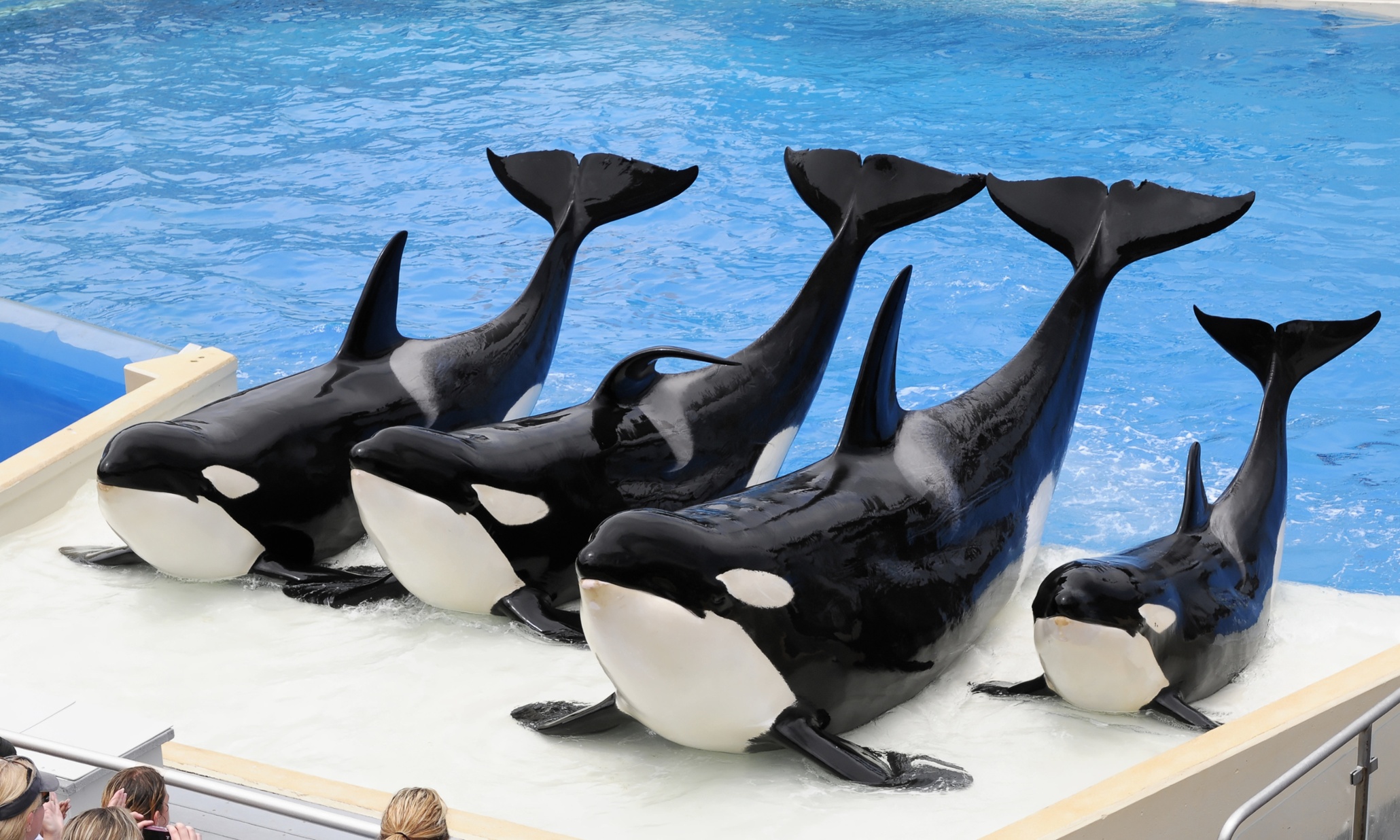
SeaWorld's profits began drastically declining after the 2013 release of "Blackfish," a controversial documentary that focuses on Tilikum, a SeaWorld show orca involved in the death of three people. It was recently released that Tilikum, the killer whale, is slowly declining in health and receiving intensive care from veterinarians and animal care specialists. Tilikum was never in "good health" while being held captive at SeaWorld, and his collapsed dorsal fin could be an indicator of many harmful factors. Tilikum's fatal attacks on people have been called "manifestations of stress, even madness" by a former trainer, Jeff Ventre. Due to the unnatural conditions of the tanks, the captive whales are highly susceptible to stress. To us, the tanks seem huge, but in reality, they are extremely small and become cramped when shared with other orcas. When compared to the ocean, these pools seem like a joke. Imagine going from a bathtub to a pail of water.
In addition, the inability to hunt is another harmful effect that occurs during animal captivity. The orcas are provided with cold, dead fish as their source of nutrition. While SeaWorld may not deprive the animals of food for not performing tricks, depriving them of the ability to hunt is damaging to the orcas. Allowing the orcas to capture their own food would increase orca independence and begin readjusting the whales to live in the wild. According to an interview with the LA Times, California Assemblymember Richard Bloom previously stated that orcas "belong in their natural habitat, where they can travel long distances and feed as predators do.”
Unfortunately, captivity has shaped these once fearless hunters into contained, reliant specimens. Therefore, the ending of the orca shows will not bring the orcas their freedom. Joel Manby, SeaWorld's President and CEO, elaborates on why the whales must be kept in captivity: "Most of our orcas were born at SeaWorld, and those that were born in the wild have been in our parks for the majority of their lives, If we release them into the ocean, they will likely die." Keeping the orcas in captivity is now the safest bet for the whales' survival. That's where the natural orca encounters will pick up at.
It appears that choosing to not free Willy is the wisest decision SeaWorld has made since discontinuing the orca shows. Hopefully, SeaWorld will continue down this path and focus more attentively on the safety of their animals.