Over the past few years there has been a large shift in public opinion regarding cetacean captivity. The concept of these beautiful creatures being confined to a tank has long been questioned, but it wasn’t until SeaWorld trainer Dawn Brancheau’s 2010 death by the male orca Tilikum that the debate really shook up. Since then, a successful documentary, plummeting ticket sales and more have caused the awareness of whales & dolphins in captivity to skyrocket. With orcas being the leading example within the debate, many believe their captivity to be unethical based only off the violent incidents over the years. While trainers' lives are just as important, there are many layers as to why capturing cetaceans for performance is a more inhumane act than we think - layers we’re still uncovering everyday.
A life in captivity cannot mimic the ocean. These are animals built to travel long distances with their families across the world. Through this, they learn to eat, grow and survive in the healthy habitats they were meant to live in. Many of us don’t realize that by taking these animals away from their homes and placing them in a concrete tank, we are performing actions similar to confining a criminal into prison. The biggest difference is that we’re forcing an innocent animal to perform unnatural tricks against their will. As human beings, we have the choice to become performers and spectacles for the public eye. Animals do not have that right - why should we rob these creatures of their life?
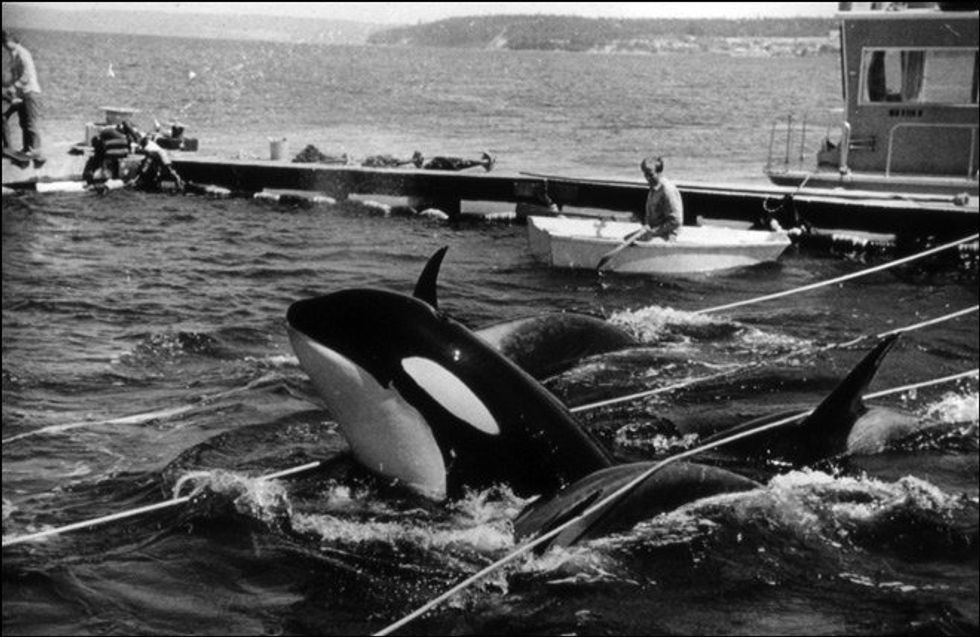
Those who attend the shows often ignore how the “stars” get there. From the chases, killings and literal kidnapping of orcas from their family pod - the captures are both traumatic and brutal. For creatures known for cooperation and communication with each other, you can imagine the psychological effects that plague the animals post-capture. In the wild - orcas are docile creatures that do not attack people, despite their hunting abilities. Within captivity it’s the polar opposite, with high frustration levels, deteriorating health and high aggression causing their behavior to become unnatural.
Probably the most frightening aspect of this situation is the intelligence of these creatures. These animals are far too smart to be submitted to such horrible conditions. With key aspects such as possible self-awareness and different types of “languages,” these creatures show a tremendous amount of similarity to us. Recent research also has shown the possibly of these creatures exhibiting emotions. While it might seem unbelievable, we’re learning many new details about orcas and cetaceans as a whole. Hopefully we can make the final decision to end this disgusting act once and for all.