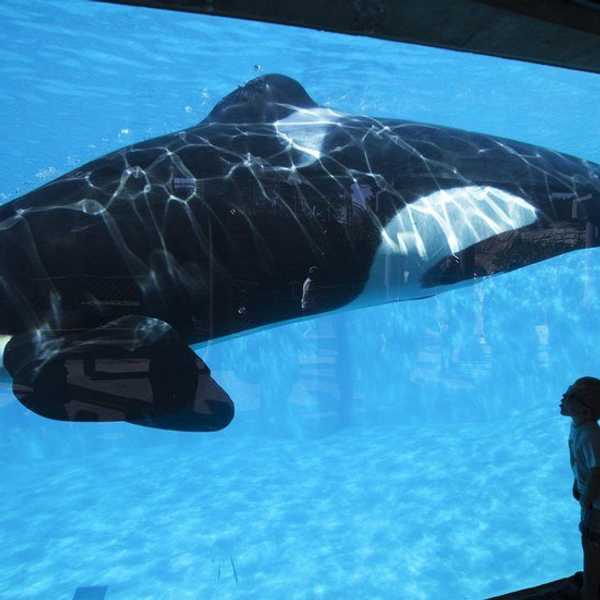
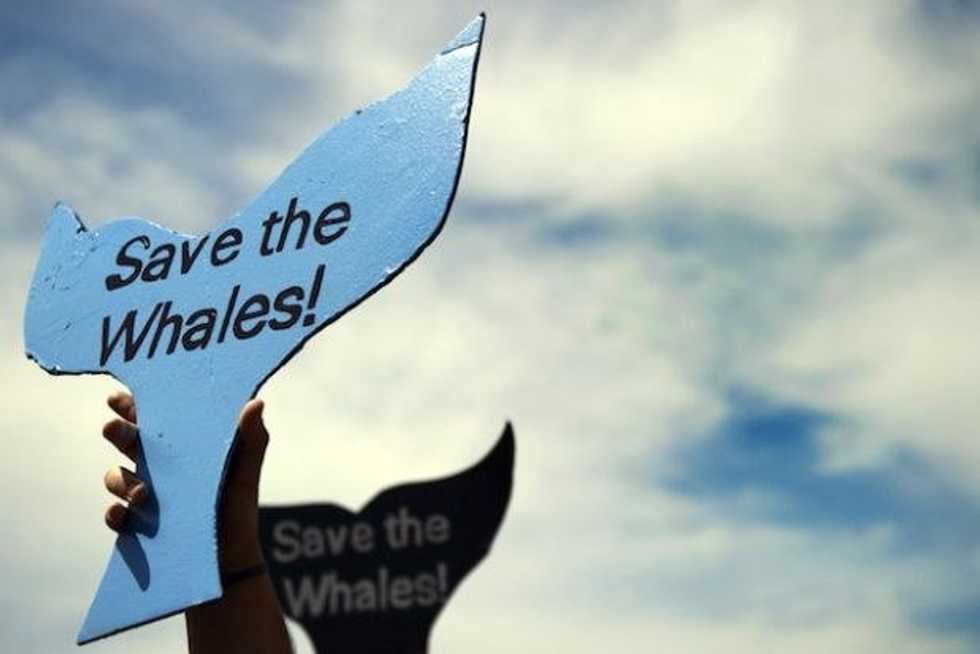
SeaWorld is thought to be the perfect aquarium and educational platform for children. SeaWorld is where you can bring your child to see an Orca "killer" whale, how exciting! Your child can watch dolphins and other wild and exotic animals, which they wouldn't be able to see by simply going to the beach. But, the secrets that SeaWorld keeps from the public about the animals well being is a huge problem. SeaWorld is also now known as SeaWorld of Hurt, they wouldn't get this name if there was any doubt that what they are do is wrong.
To start, here's a picture of an Orca whose teeth were drilled (a common procedure done to Oracs at SeaWorld).

1. The size of the Orcas tank.
Orca Whales, also known as Killer Whales, can easily swim up to 100 miles a day in the ocean. In the tanks they are forced to live in they would have to swim over 1,000 laps to come anywhere close to 100 miles. Orcas in captivity are fed thawed out fish that have been dead for who knows how long. Between what could be compared as a small pool for these animals and unhealthy diets, these orcas develop collapsed dorsal fins,which SeaWorld says is common. Does anyone else see what's wrong with this?

2. The Orca's lifespan in captivity vs. their natural home, the ocean.
A healthy Orca in their natural habitat can live up to and past 50 years old. A maximum age for a male Orca whale is closer to 80 years. A female, closer to 100. Do you want to take a guess at the average age of an Orca forced to live in SeaWorld? It's less than HALF of the average life span. SeaWorlds Orca whales do not live to see 15 years old, regardless of their sex. Does anyone else see what's wrong with this?
3. After SeaWorld was put on blast they "changed" their ways (SeaWorld Cares).
SeaWorld has always claimed that their animals are healthy and happy. Yet, after such scrutiny they decide to promote their SeaWorld Cares plan? If SeaWorld was such a nice home for these animals, then why revamp their living situation. Why would they post things that try to convince us that they are doing the right thing by these animals? DING DING, it's because they knew all along that what they were doing was wrong. They were just hoping no one noticed. Well SeaWorld, you got our attention. Does anyone else see whats wrong with this?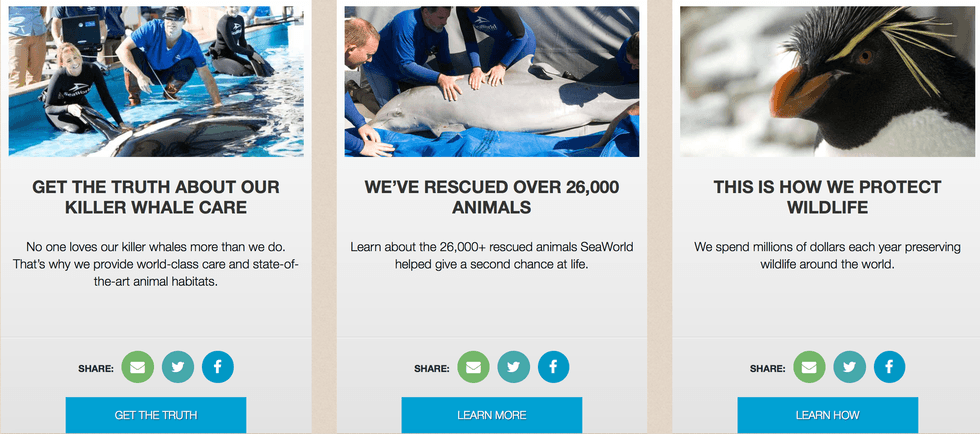
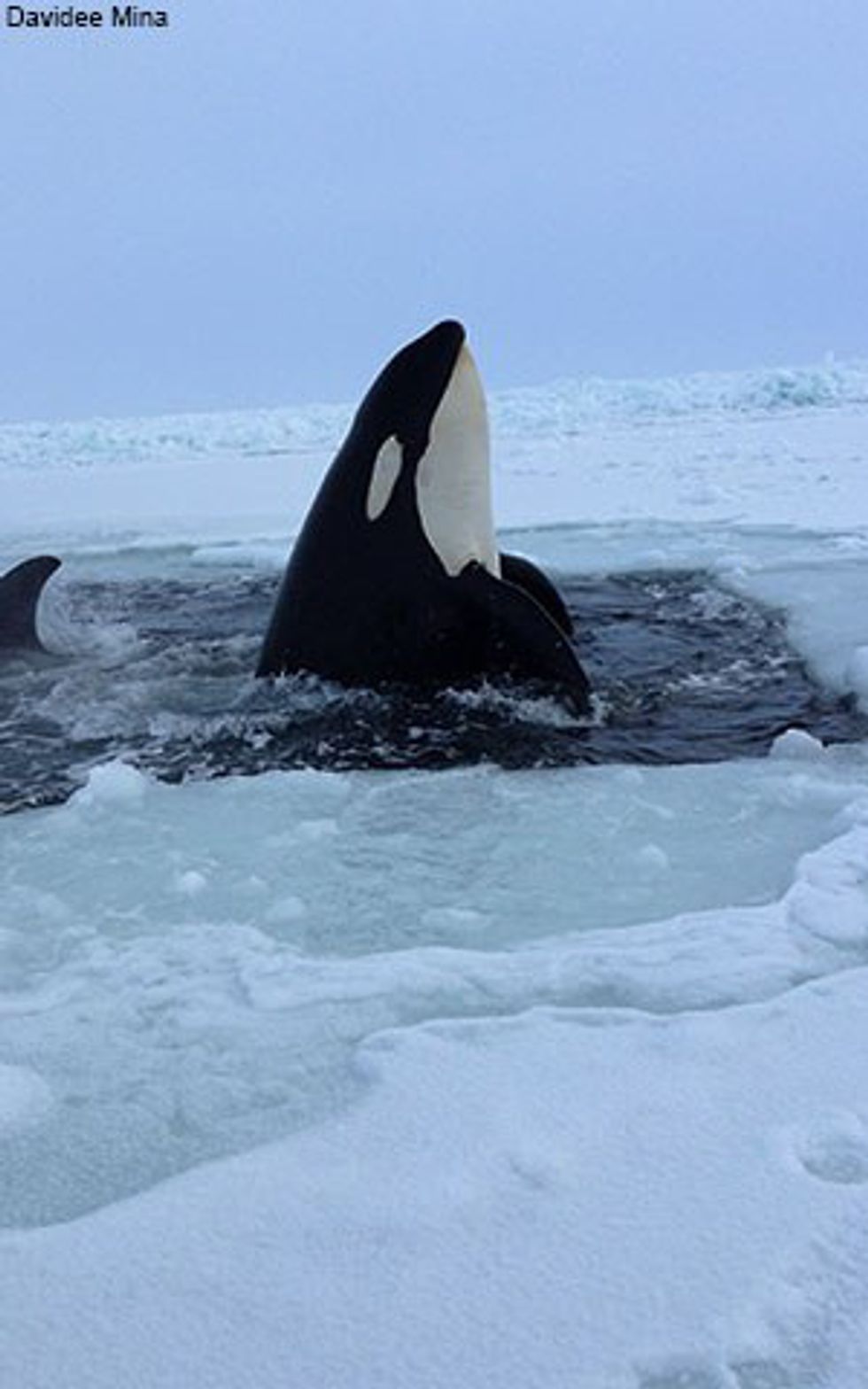
4. Orcas thrive in social groups aka their family.
Orcas are very social animals who need their families, just like we do. Orcas experience emotions just like we do. Orcas go through a depression and grieving process when a loved one dies. Orcas can be anxious and loving. SeaWorld takes calves away from their mothers almost immediately. These mothers experience emotions comparable to what a human mother would go through. And to make it worse, some mothers end up dying from broken hearts. Orcas love to swim with their families in packs and do what they were born to do. But not the Orcas at SeaWorld, they are robbed of their natural right. Does anyone else see what's wrong with this?
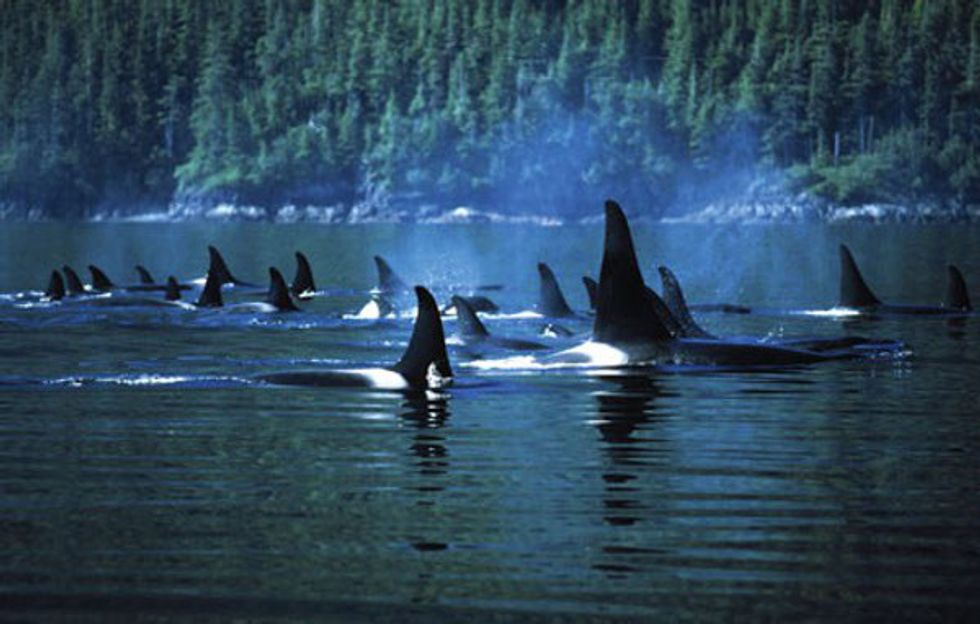
5. The Orcas belong in the ocean.
Orcas belong in the ocean for every reason listed above. To add to the facts, Orcas who are in captivity at SeaWorld do experience physical aggression. Orcas are social and peaceful animals. They do not like aggression, which is why they swim in packs. In the wild, Orcas can swim away if they come in contact with another Orca who they do not get along with. At SeaWorld, they are forced into small tanks with other Orcas who may not be compatible, who "speak a different language." In this situation, they fight; these Orcas have nowhere to go, resulting in bite marks, broken teeth and chunks of flesh missing. I'm not sure how you feel, but it doesn't seem right to me that these highly social animals who thrive off social bonds, are moved from tank to tank; forced to perform and live with others that they do not get along with. We have a lot in common with Orcas, does anyone else see what's wrong with this?

If you want to learn more, visit http://www.seaworldofhurt.com.
"8 Reasons Orcas Don't Belong at SeaWorld - SeaWorld of Hurt." SeaWorld of Hurt, Where Happiness Tanks. PETA, 2015. Web. 21 Nov. 2015.