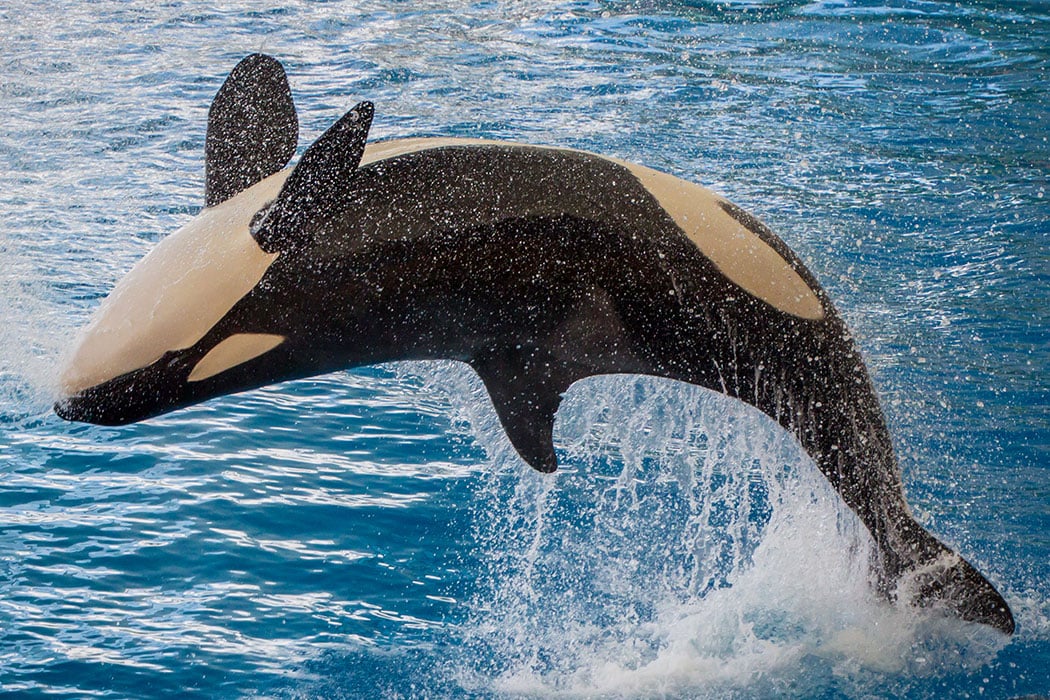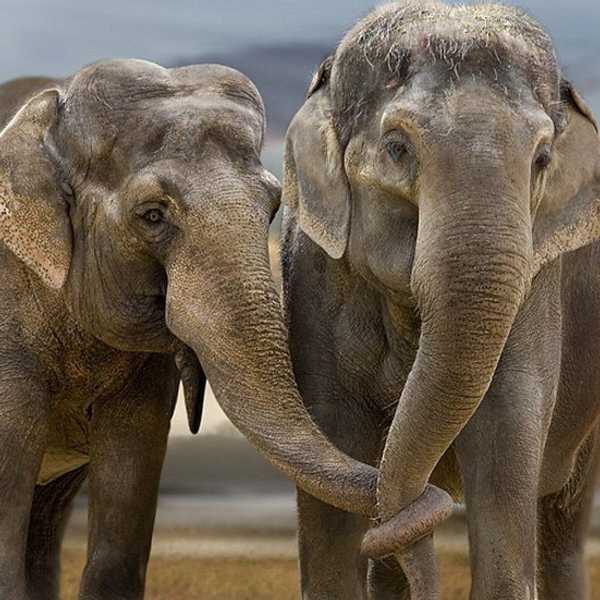

Everyone is talking about SeaWorld, but there is another group of animals that needs to be considered with the same problems: elephants.

In 2015, the Ringling Brothers Circus made a shocking announcement that they were going to retire their elephants by 2018. Last month, SeaWorld announced they were going to stop breeding orcas. However, there are some problems along the way.
A problem with retiring show animals is that they most likely can’t be returned to the wild. If an animal was taken out of the wild originally, there may be a chance for it to survive. But humans cannot replicate the behavior of an orca pod or an elephant herd. This is why Ringling Brothers created a retirement center for the elephants in Florida that has lately been receiving criticism. PETA says on their website that “elephants will still be threatened with bull hooks at its breeding farm in Florida, the so-called Center for Elephant Conservation (CEC), where elephants are kept in shackles, bred and used as test subjects at Ringling’s retirement center.”
This creates a problem, because one of the ways animal rights activists thought they had won with Ringling’s announcement was that the elephant would no longer be subjected to the bull hook. A bull hook is a long stick with a metal hook attached to the end. It is a cruel practice used to force an elephant into submission by beating, prodding, and poking it.

Ringling announced an early retirement for their elephants, aiming for as soon as May 2016 to the CEC. If the CEC does allow the use of bull hooks and shackles, Ringling needs to either ban those practices or retire their elephants to an elephant sanctuary.
Now that the elephant's win-lose situation has been covered, so must the orca’s. However, Ringling Brothers and SeaWorld make opposite claims. Ringling CEO Kenneth Feld claims that “We're not reacting to our critics; we're creating the greatest resource for the preservation of the Asian elephant.” SeaWorld makes the opposite claim -- that it was in fact the disapproval of park visitors since the documentary "Blackfish" that helped them make their decision to stop breeding orcas.
But why not retire them?
In captivity, orcas have much shorter life spans. In the wild, an orca can live over 60 years. In captivity, their lifespan shortens by about 30 to 40 years. They can swim up to 100 miles a day, making the tanks at SeaWorld inadequate for their needs.
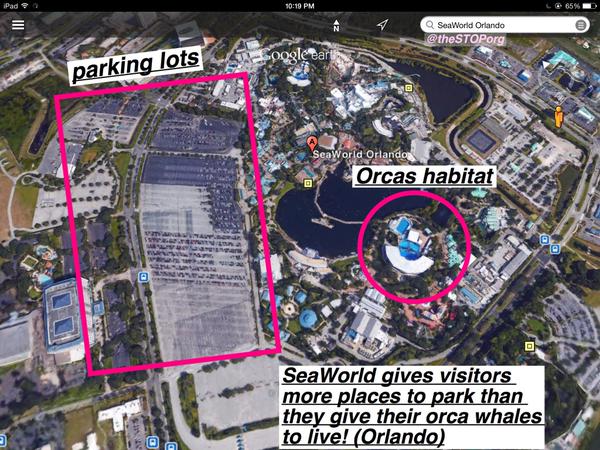
Retiring elephants after 145 years and quitting orca breeding were both monumental decisions for Ringling and SeaWorld, especially since both animals are integral parts to each company's image. As mentioned earlier, it would be foolish to release bred-in-captivity orcas into the wild. Even though orcas are on the top of the ocean’s food chain, SeaWorld orcas have probably never seen a shark, making them less likely to survive—not to mention all of the other kind of ocean perils.
To solve this problem, the idea of sea pens has been brought up. A sea pen is a large space enclosed in the ocean by nets, allowing for orcas to be exposed to the ocean but not all of its dangers. SeaWorld so far is reluctant to take the final steps and free their orcas, claiming that sea pens would expose orcas to various toxins and disease.
SeaWorld and Ringling Brothers have taken huge steps in the fight to treating animals correctly. Orcas and elephants will no longer be forced to perform risky tricks at these establishments. The tricks elephants are forced to learn could break their legs if performed wrong. Orcas are taught to beach themselves, a behavior unnatural to them. While the problems of bull hooks and keeping orcas in tiny tanks may not be resolved soon, the two companies have taken a step in the right direction. Hopefully, one day, all animals will live free in their own habitats, untouched by bull hooks, enclosures and humans.