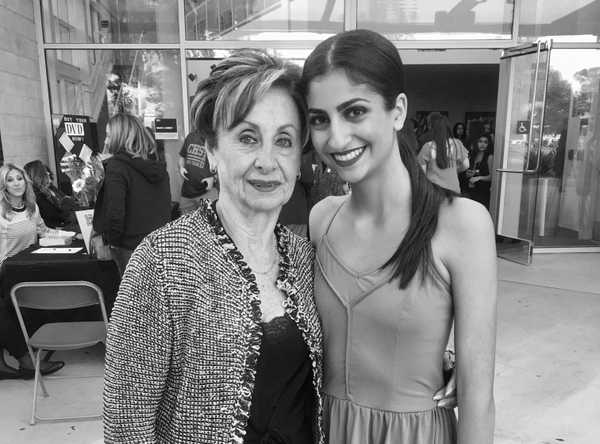

I'm white. Let's just start there. I benefit from white privilege, as an 18-year-old half-white, half-Filipino woman. White privilege means that I do not have to deal with certain situations because of bigotry (specifically, in terms of race/skin color).
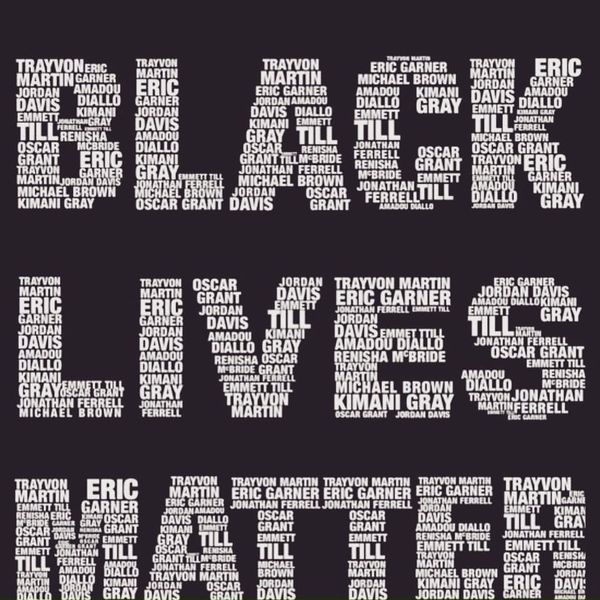
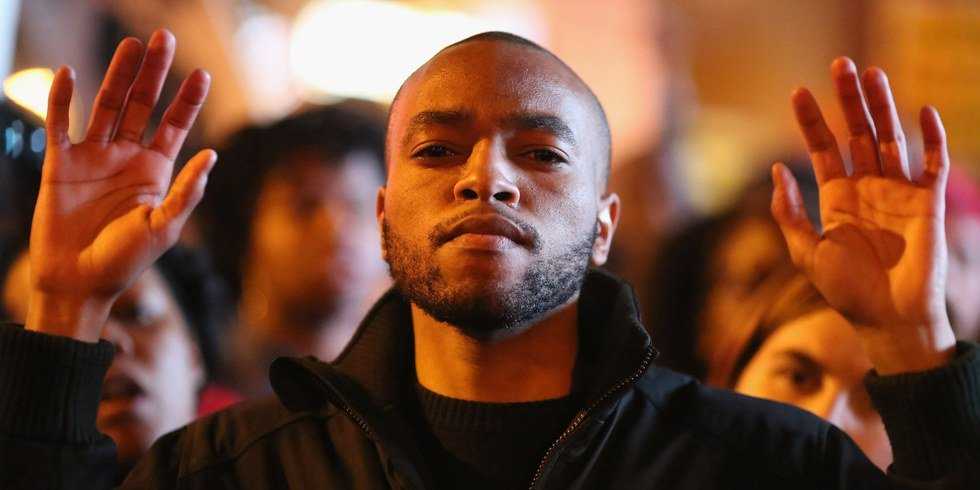
I have been following the movement behind the phrase "Black Lives Matter" since the events of Ferguson back in 2014. In the time since Michael Brown's shooting and the later decision to not indict Officer Darren Wilson, countless black lives have been ended in an unfortunately similar, tragic way to Michael Brown's. This has added to the growing fire of the debate about police brutality within the "cultural melting pot" that is the United States of America, which has lifted up the phrase "Black Lives Matter" to an empowering string of three words that combats the systemic racism within our country.
Yes. It is systemic. I just completed two years of AP United States History earlier this year; our country, while founded on some brave ideals, has quite the history in relations between whites and people of color that has, no doubt, influenced our current governing system. Of course, this uprising within the black community led to controversy, leading to the creation of the counter-statement, "ALL Lives Matter."
After sharing posts on social media supporting #BlackLivesMatter in the two years since Brown's death, I found myself in a short debate (somewhat one-sided) on Twitter last week regarding "All Lives Matter" vs. "Black Lives Matter." But all I have to say about that is, why?
If all lives matter, what is wrong with saying black lives matter? Would you be as offended if I said that white lives matter? (My guess is probably not, judging by the general demographic of people standing behind the "All Lives Matter" counter-attack.) Saying that all lives matter won't solve the problems ingrained in America due to a history of racism (see: my statement above regarding what I learned in AP US History).
Heck, anyone who isn't white has endured some awful, awful things at the hands of white America, including those of the same Filipino and Asian descent I come from. But you're not going to see me parading around with the words "Filipino Lives Matter", because that's not the problem we're trying to fix right now.
Let's look at it with a recent, realistic example: "Blue Lives Matter." Yes, the lives of police officers do matter, but...what about firefighters? Don't firefighters matter? What about their safety when they have to do their jobs? Clearly, all public safety jobs matter, right?
Now, then, this should have angered you. You're probably thinking that I'm being ridiculous, because firefighters weren't the victims of the Dallas shooting--police officers were. Firefighters don't need us rallying about their lives mattering right now because there isn't an immediate threat, driven by bigotry and violence, to them.
To which I must reply to your thoughts with, "duh," because that's exactly the same reasoning behind "Black Lives Matter." "All Lives Matter" is a very true statement, but, come on, accept the reality--we do not live in a world where all lives are treated and protected equally. If we lived in a world where every single person genuinely believed that all lives mattered equally, you're right, we wouldn't need to specifically say that black lives matter. But the fact of the matter is that we live in an imperfect, perverted world where being black could quite literally mean the difference between life and death in certain situations.
Again, these words have come from my perspective of a white-passing, biracial woman living in Northern California, so I cannot truly empathize with members of the black community. But that doesn't mean I have to be blind or ignorant to what's going on around me, and after sitting back and watching this specific aspect of America for the past two years, I wholeheartedly support the "Black Lives Matter" movement.
I see you. I support you. I love you.