TRIGGER WARNING: Some of these methods may be triggering for some.
Have you ever gotten a notification on Facebook from a friend asking if you would like to join a group based around a product? From makeup companies to candle wax companies to clothing companies, there is always going to be companies trying to sell you on something. Those are harmless, right? But what about alternative weight loss methods? Alternative weight loss methods such as dieting pills, wraps and intense food diets are something that have become popular over the past few years. But why is that? What is so attractive about these methods?
1. Juice Cleanses

Juice cleanses are one of the more popular weight loss methods used in today’s society. It may sound harmless because it’s just juice, but the issue is when you consume just juice. Cleanses are usually low in protein and low in calories.
When doing a juice cleanse, daily calorie intake ranges from 800 to 1,200 calories and when done for 10 days, the body can go into “starvation mode, meaning it will try to conserve calories by slowing down metabolism, because the body is unsure when it will be fed again,” Liz Applegate, director of sports nutrition at the University of California, Davis, told LiveScience.
2. Skipping Meals
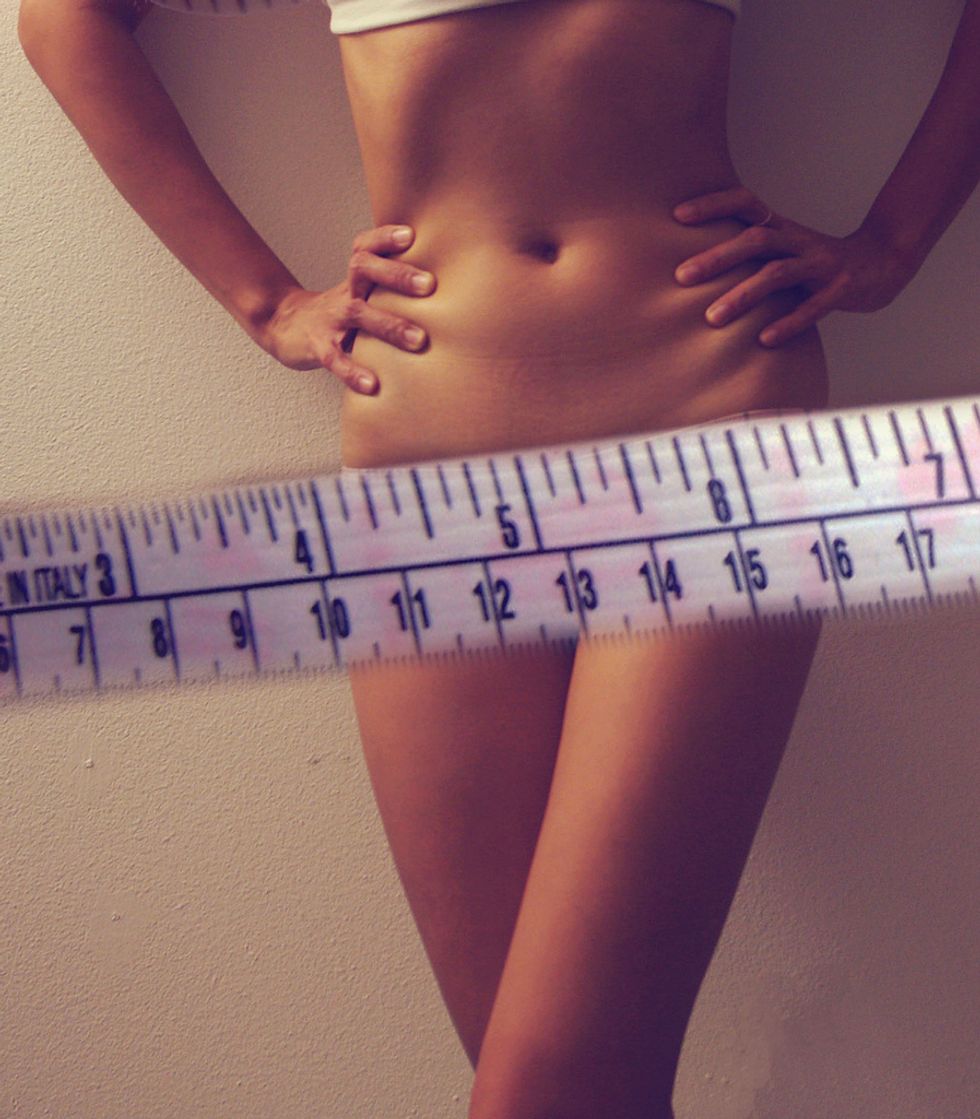
Not eating a meal or two is one of the oldest weight loss tactics in the book. However, that does not necessarily mean it is healthy or safe, because it isn’t. Skipping meals drains your energy, causes lower nutrition levels and can be the beginning of using other unhealthy dieting methods, according to FitDay. The health risks aren’t as obvious to those who skip meals every now and then, but to those who constantly skip in hopes to lose weight quickly. Instead of skipping entire meals, try to choose healthier food options that provide a balanced meal.
3. Swapping to diet soda
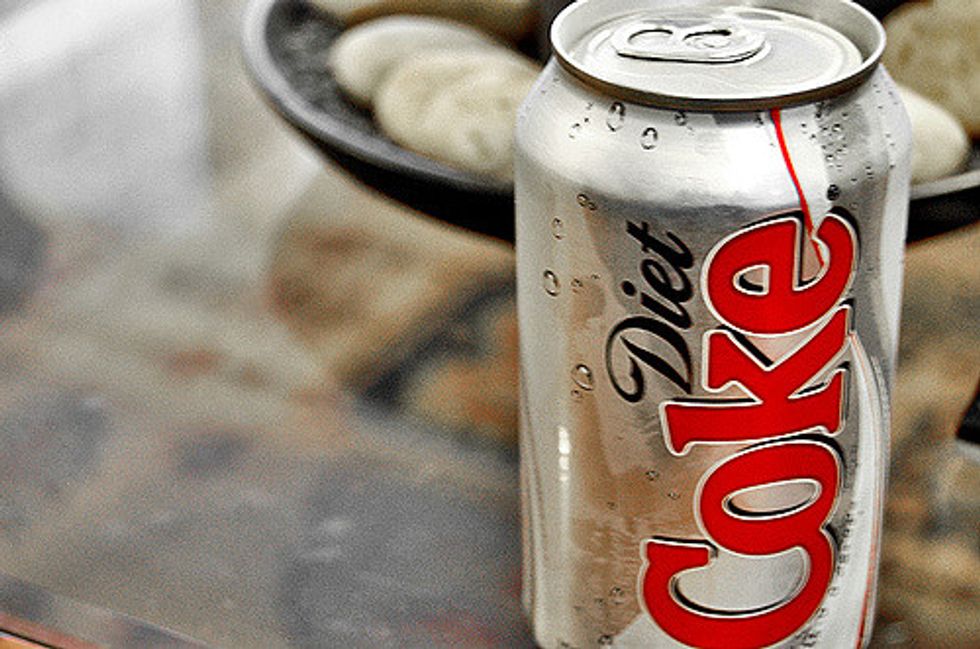
This one may seem a bit unusual at first but swapping to diet drinks can cause harm to your body. Swapping to diet sodas can harm your heart, cause kidney problems, increase your risk of metabolic syndrome and diabetes, leads to “increased waist circumference” and alters your mood, according to Clark. Health reported that when drinking diet soda, you’re not taking in any calories, but you’re also not consuming anything that is vital and good for your body so it would make more sense to just drink water rather than diet sodas.
4. Protein/weight loss shakes

Protein and weight loss shakes, like most things, have pros and cons. But should the cons outweigh the pros when it comes to your health? Too much protein can lead to health issues such as nausea, cramps, fatigue, headaches and bloating, according to CNN. CNN reports in the same article that there are more serious side effects that can come with consuming too many protein shakes, like kidney problems, increase calcium excretion and dehydration. Those who do not drink protein shakes excessively shouldn’t worry as much, but it is something to consider.
5. Diet pills
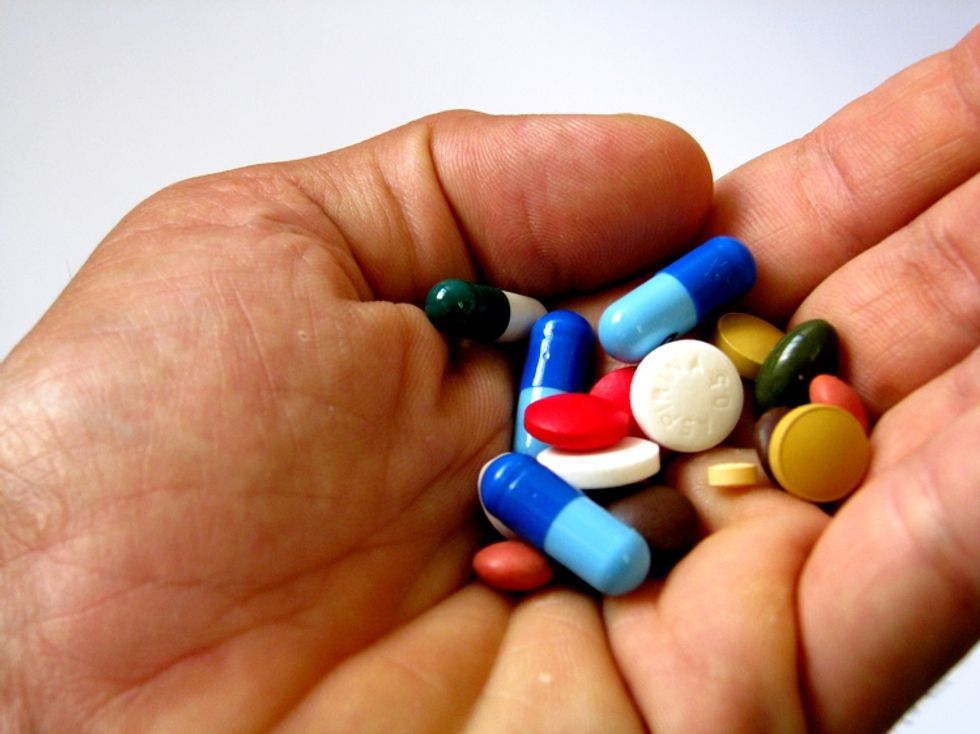
Taking diet pills to lose weight can easily be considered one of the most dangerous methods of losing weight. Many dieting pills have been banned by the Food and Drug Administration (FDA) because of side effects such as increased heart rate, high blood pressure, agitation, diarrhea, lack of sleep, kidney problems, liver damage and rectal bleeding, according to Futures of Palm Beach. LiveStrong reported that some diet pills have addictive qualities and when someone stops taking them, they begin to feel “sick or down.”
6. Eating less than 1,200 calories a day

One of the major side effects is gallstones, which are “caused by going on a severe calorie-restricted diet and losing weight too quickly.” This can result in the removal of the gallbladder. Gout, malnutrition and electrolyte imbalances can also occur with eating less than 1,200 calories a day.
7. Eating only fresh produce

Fruits and vegetables also don’t contain some important elements our bodies need, such as iron, omega-3, zinc, copper and calcium.
8. Purging
Timberline Knolls said that symptoms of purging include abnormal bowel functions, bloating, dehydration, fainting, seizures, fatigue, dry skin, irregular heartbeat, menstrual irregularities, tingling in hands or feet and muscle cramps. Bulimia is an eating disorder that can often times require a physician's assistance in curing.
9. Protein-only diets

Health24 recommends to stick to a diet that is low fat, high fiber and high carbohydrates. Some another factor to consider is when your body is lacking carbs, your body begins to use up the fat and protein your body has stored.
10. Laxatives
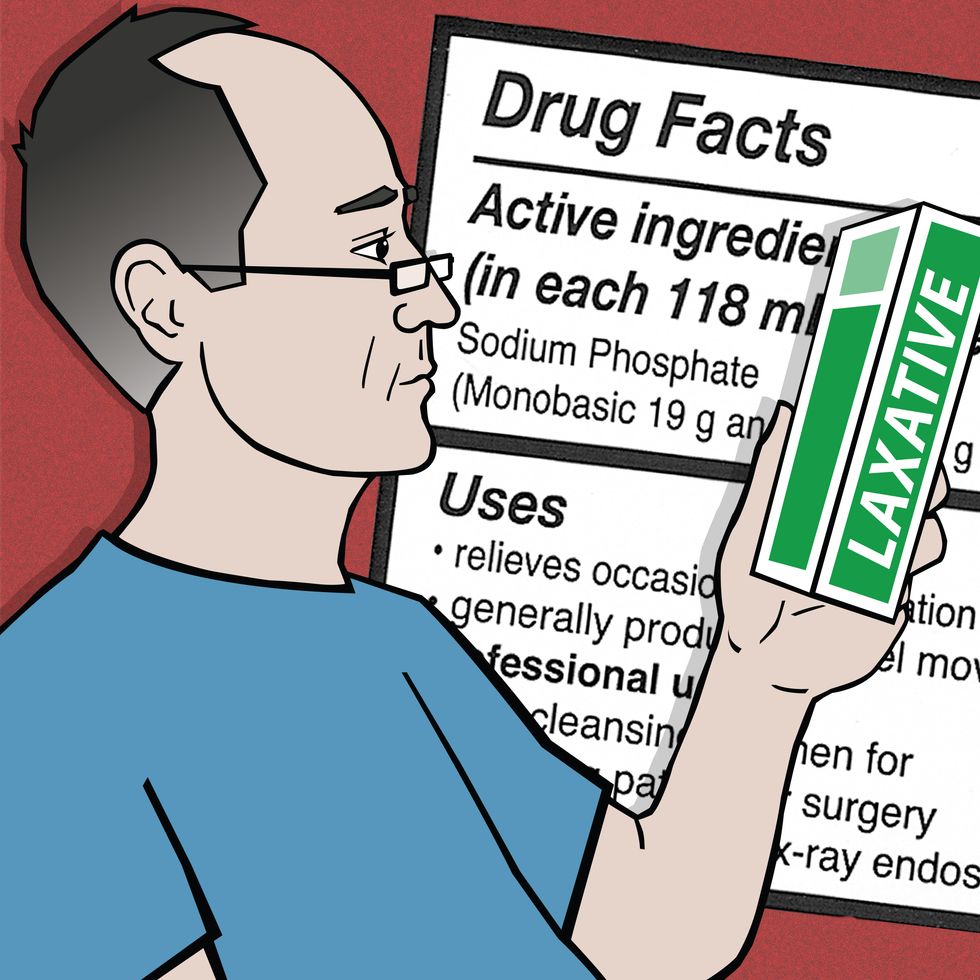
There are alternatives to laxatives: eating fiber-rich foods, drink plenty of water and exercise. If these do not work, consult a doctor before turning to laxatives.
11. Smoking cigarettes
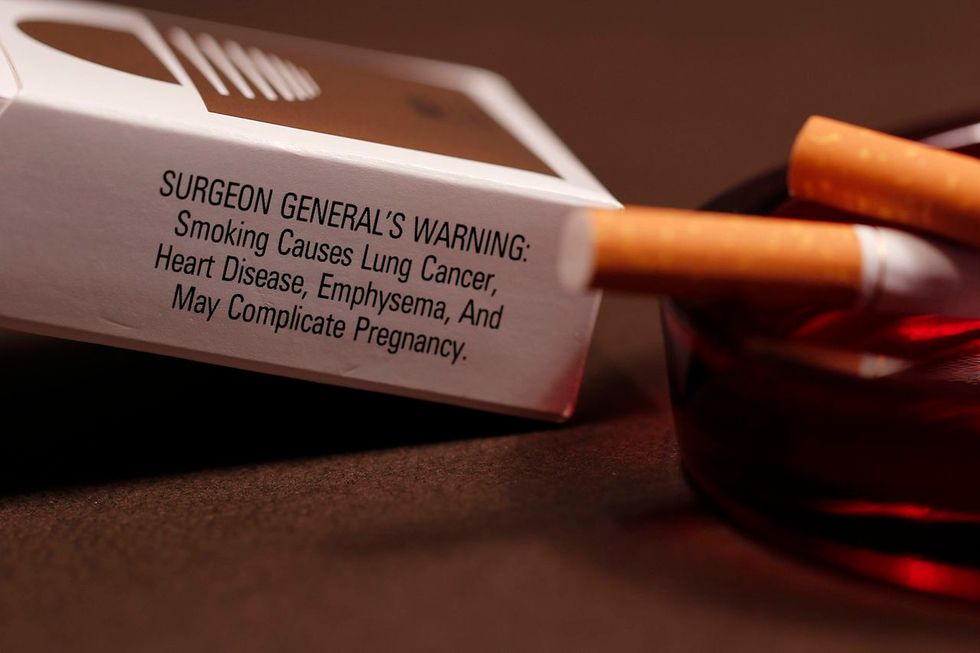
It was found in a 2010 study by Swiss researchers that tobacco companies “modified cigarettes to give them appetite suppressant qualities as late as 1999.” LiveStrong also reports that smokers “generally weigh six to 10 lbs. Less than nonsmokers and gain that same amount of weight if they stop smoking.” Of course, that’s on top of the side effects smoking cigarettes already cause.
It doesn’t take much to lose weight in a healthy, more natural way. Exercise, eating right and watching how you diet takes longer to work, but in the long run, they are the best choices when it comes to physical help. For other options, be sure to consult a doctor before changing your diet drastically.