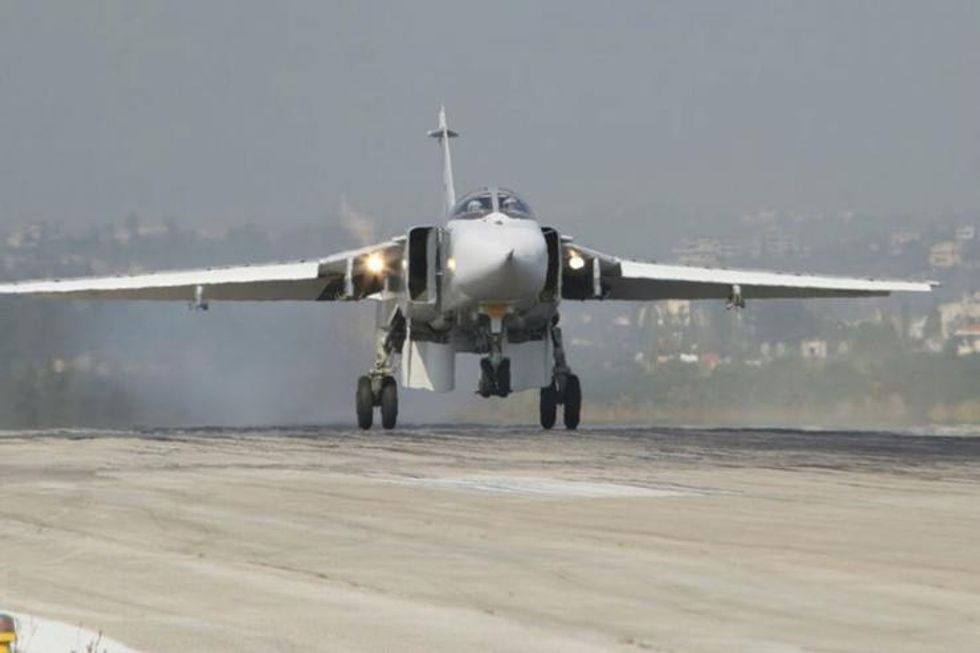
This past week, more chaos ensued in the struggle to combat ISIS. The Turkmen, an ethnic Turkey rebel group in Syrian, shot down a Russian fighter jet. For some time, Russia has supported Bashar al-Assad, the Syrian President, and most recently set troops into combat ISIS. Additionally, Russia has conducted numerous airstrikes against Syrian rebel groups, a portion of whom are supported by the U.S. government.

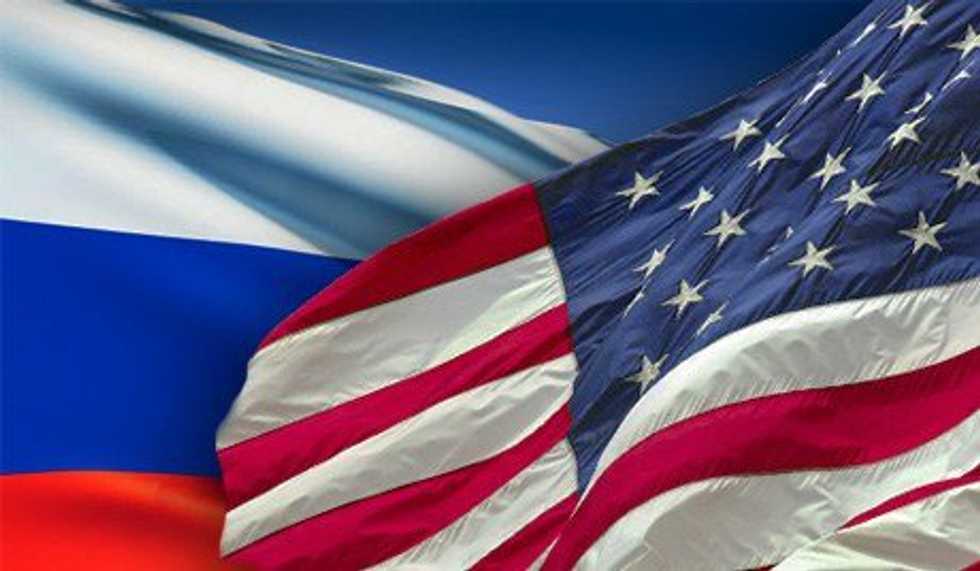
Russia’s most recent involvement into the area has been a battle with the U.S. for spheres of influence in the Middle East. With the most recent shoot down and death of the Russian pilot, the campaign to destroy ISIS is now more complicated than ever.
In light of the recent Paris attack, France has called on its allies and the rest of the world to increase its anti-ISIS efforts. This will now be incredibly difficult to do. Turkey, France, and the U.S. are all members of NATO. Russia is not. Keep in mind that NATO was created to counter growing Soviet influence in Eastern Europe. Therefore, Russia will see this incident as a direct attack on their strategic aim to maintain a strong presence in the Middle East.
To make matters worse, Russia launched rescue attempts for the pilots, but they were futile. A Syrian rebel group shot down the rescue helicopter with American provided weapons. This situation seems strikingly similar to the proxy wars during the Cold War. During the Cold War, numerous proxy wars, such as the Korean War, almost led to World War III. At the very least, the shoot down of the Russian jet extremely complicates a unified response at destroying ISIS.
There has not been a coalition in response to ISIS. The U.S. has launched airstrikes, Iraq has used ground troops, Iran has sent advisers, and Russia is now using airstrikes. However, none of the aforementioned attempts has really put ISIS on the brink of collapse. Additionally, the Security Council has made many attempts at intervening in the Syrian Civil War and stopping ISIS, but the Russian and the Chinese support for the Assad regime have prevented those.
All eyes should be on the current situation. What happens next has serious ramifications, not only in Middle Eastern politics, but with international politics. The U.S. government, along with other NATO countries, could dramatically alter their strategies to combat ISIS. Furthermore, the intense rivalry could heat up and hinder any sort of anti-ISIS effort.