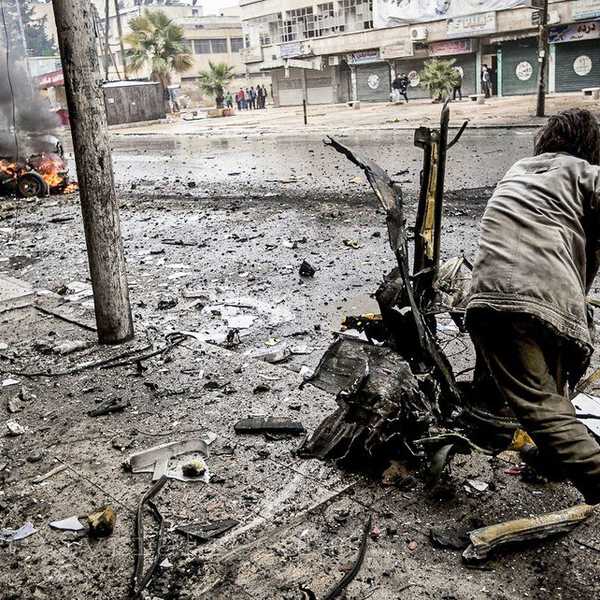
In 2011, the Middle East was embroiled in what is now referred to as the Arab Spring. During this time, revolution spread like wildfire. Syria was not immune to the outburst of revolution and in March 2011 protests erupted against leader Bashar al-Assad.
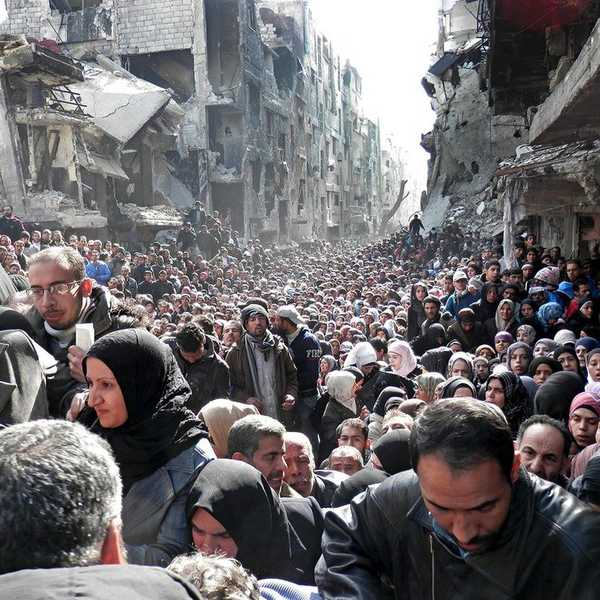
Today hundreds flee the country everyday; the UNHCR currently reports over four million registered refugees having fled the embattled country. This war has proven incredibly complicated. A report from the Institute of the Study of War shows that throughout the war a mass of different rebel groups large and small have formed mostly under the free Syrian army banner, while terrorists and rebel groups from surrounding countries have fueled and confused the war even further. The U.S. has become heavily entrenched in the war as well. A special report from defense.gov highlights the U.S. air strike campaign against ISIL in Syria and Iraq that started on August 8 2014 with an average cost of ten million dollars a day. However a change in strategy is coming. In a recent press conference defense secretary Ashton B. Carter announced that the U.S. will end funding for its 500 million dollar training program and will instead use the money to provide ammunition and weapons to existing groups.

President Bashar al-assad
Vladmir Putin in a speech at the United Nations has confirmed that Russia is supporting the embattled Syrian government, with "serious training," equipment and air strikes. This has caused quite a stir within the white house. President Obama made pointed remarks in a recent U.N. speech, chastising Russian support of a regime that has been accused of chemical weapons use and a slew of human rights violations. Following an investigation of the chemical weapon use, the UNHCR has accused the Assad regime of producing and using chlorine gas in eight different incidents in April 2014.

Vladmir Putin Speech at the 70th session of the UN General Assembly
Even with this information, Putin stood strong in his speech and responded with his own chastisement of the West's support of rebel groups saying, "First they [rebels] are armed and trained and then they defect to the so called Islamic state." Many experts agree with Putin's comments, citing reports such as the acknowledgement by the U.S. central command agency that a group of Syrian rebels armed and trained by the U.S. have handed over a large portion of their weapons to Al Qaeda affiliated groups.
In an interview with the WorldPost international law expert Marc Weller explained that Russia has justified their cause legally by arguing that the Assad government invited the Russian government to use force within their country. Weller continued to explain that throughout history, states have used this legal basis to intervene in countries, including the U.S. and the Soviet Union throughout the cold war. Simply put, if a government asks for intervention, then it is supposedly legal for another country to fulfill the request. However, Weller points out that many call into question the legitimacy of the Assad government. Critics cite the fact that the majority of the population has rejected the government for almost four years, since the inception of the war. The question of legitimacy is a fierce challenge to Russian's legal standing.
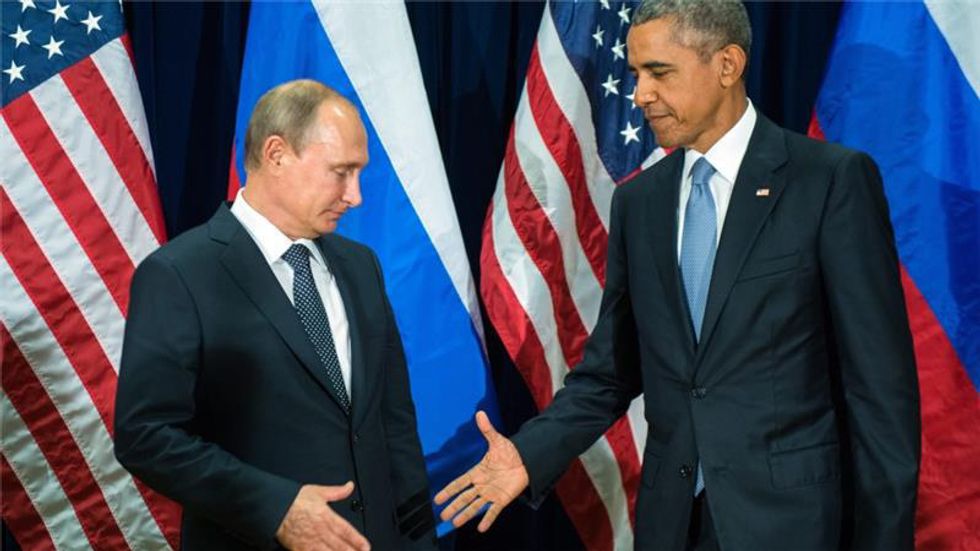
Obama and Putin were in complete disagreement at the UN General Assembly.
Both Russian and U.S. leaders have stated multiple times that they want to bring an end to terrorism and destroy the terrorist sects in Iraq in Syria. Although, currently both countries find themselves supporting two opposing forces to achieve the same goals. The issue does not look to change soon as neither side has shown willingness to change their position. All the while, hundreds of people are forced to flee the country on a daily basis.