
For those of you keeping up with Brazil’s current turmoil, you’ll know that there are quite a few things the country is worrying about, and it’s not just Zika. In the midst of political, economic, and social crises, the nation’s scramble to prepare for the Olympics with just one month left makes attending the Games a seemingly risky and unnerving experience.
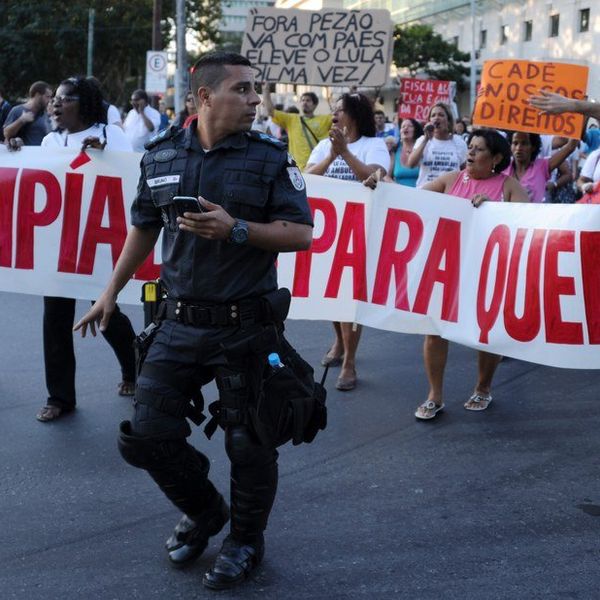
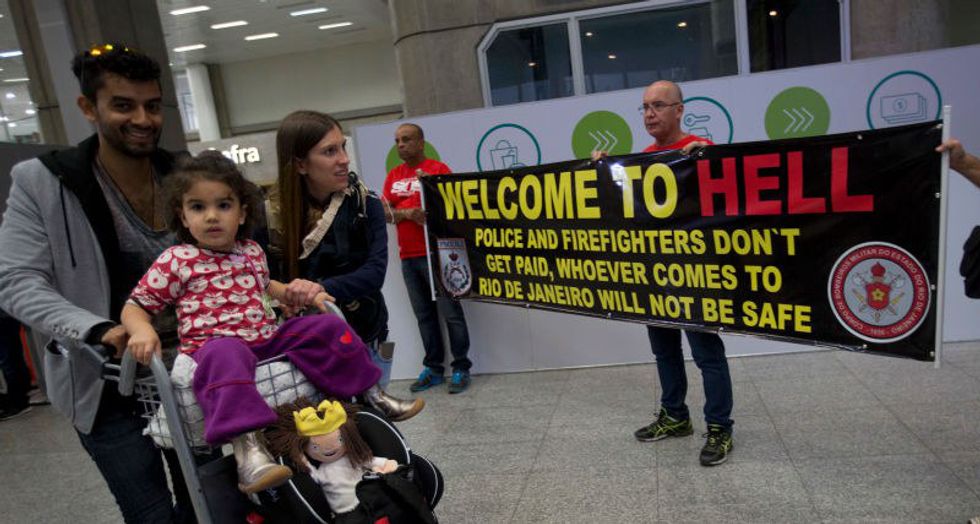
In addition to Zika, the mosquito-borne virus that threatens public health, especially at the height of the mosquito season, the nation is also dealing with civilian protests. Police and firefighters flooded Rio’s central airport with signs that read “Welcome to Hell,” protesting late wages and warning visitors of the lack of safety in the country. According to CNN, the state requested emergency funds to distribute and pay the police officers and firefighters, but they have not yet been received.
The nation’s reputation for being dangerous and violent spans back to years of corruption, with frequent muggings and kidnappings. While there are said to be 22,000 troops at the Games, there is still a fear of terrorism somehow making its way into the sporting event, putting into question Brazil’s experience and preparedness to combat terrorists.
More interestingly, however, I found that some Brazilian civilians are harboring anti-gay sentiments that led to even more violence around the same time as the Orlando shootings. With the massacre of over three people within the last few months who were either gay or transgender, the nation has earned the title as “the world’s deadliest place for lesbians, gays, bisexuals and transgender people," according to the NY Times. Yet with the coverage on Orlando and various shootings in the US, these stories can easily be overlooked.
Along the same lines as Zika, the nation’s oceans are also infused with bacteria that came from a local hospital’s sewage, and when splashed with this ocean water, it can cause rashes or skin infections. Still, these waters will be used as the sailing venue during the Games because the severity of the situation remains unclear.
To tie it all up, the nation has also failed to clean up its infrastructure. The construction projects are long behind schedule, as roads that were supposed to be built may not open for the start of the Games. While seemingly minuscule, the lack of parking at events can hinder the ability of medical safety to get to athletes or visitors as soon as possible, in the case of an emergency.
Now comes the question – what do you do if you are going to Rio?
I actually have a friend going to Rio this summer for an internship, who told me she has to make a fake wallet for when she gets pick-pocketed. With more and more news coming out about Rio, and with one month to go, it is undeniably unsettling to hear about the corruption, violence, health crises, and political protests. Additionally, it is an especially scary time to attend a large and crowded international event, a target for potential terrorism or acts of violence.
While fears have led some people to pull out of attending the Games, Rio is hustling (at least we hope) to resolve last minute crises that make the nation’s stability seem to waver more and more to the public eye. While it may not be the most organized or cleanest Olympic Games, it will surely be one that many will want to stay updated on, either in the interest of sports or safety.