When I was 15, I went to my very first job interview. I wore a dress that was slightly too big and had sweaty palms practically the entire time. After the standard "What are your best qualities?" kind of questions were out of the way, my soon-to-be-boss asked me a question that stumped me so intensely I couldn't even answer it at the time, "How do you choose your role models?"
The answer seems simple at first- someone you look up to. But then I was met with even more questions; Why do you look up to them? What about them do you admire?
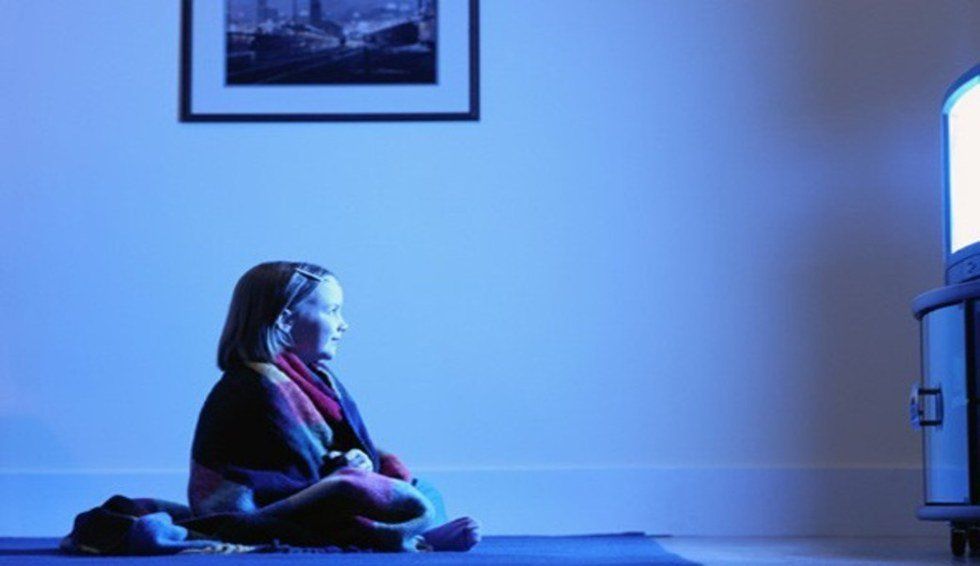
I realized that I looked up to people who were like me: people who reminded me of myself. Who were happy or successful or something that I wanted to be. I looked for myself in the girls I saw on TV shows, in movies, in magazines and pictures.
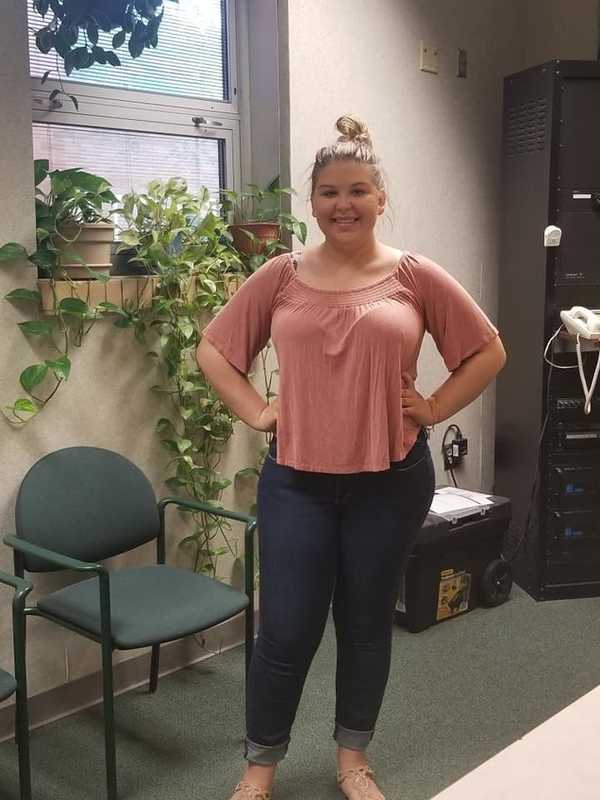
It wasn't until I was a few years into my teens that I began to realize discrepancies between the girls in the media I was looking up to and myself. They all had flat tummies and dazzling white teeth, perfectly straight hair and never a spot of acne. It changed the way I looked in the mirror- changed the way I saw my pudgy torso, braces-clad smile and wildly unruly curly hair. I began to think of myself as lesser than those girls in my copies of "Seventeen Magazine," and I started changing the things that were so quintessentially "Tennant." I spent years losing myself in becoming like the girls I looked up to.
The issue is, almost every girl across the world struggles with the exact same issues 13-year-old me dealt with, and as a middle-class white American girl, I certainly didn't have the worst of it. A study conducted by PBS showed that in the year 2014, 73 percent of actors and actresses in the year's top-grossing films were white. That left only a staggering 27 percent remaining for minorities, divided into 13 percent African-Americans, 5 percent Asians, 5 percent hispanic, and 4 percent "other." This statistic barely changed from the year 2007- only boasting a five percent increase in diversity over a span of seven years.
What this means is that African-American girls looked to media for role models and found the same ones I did- thin, seemingly flawless white girls. Little Asian girls didn't have the option to find themselves in who they saw on TV or in their magazines, and this lack of representation for minorities in mass media often leads to a dramatic decrease in self-worth and can often bloom into feelings of self-loathing. If you never see girls like you being adored and cast in every blockbuster movie that gets released, you begin to wonder, is there something wrong with people like me?
If minority little girls see everyone who looks nothing like them being praised, fawned over, and idolized, it begs the question, "What do they have that I don't?"
Aside from race, there has always been a prominent issue of body shaming in the media; recently, however, it has unfortunately become more diverse.
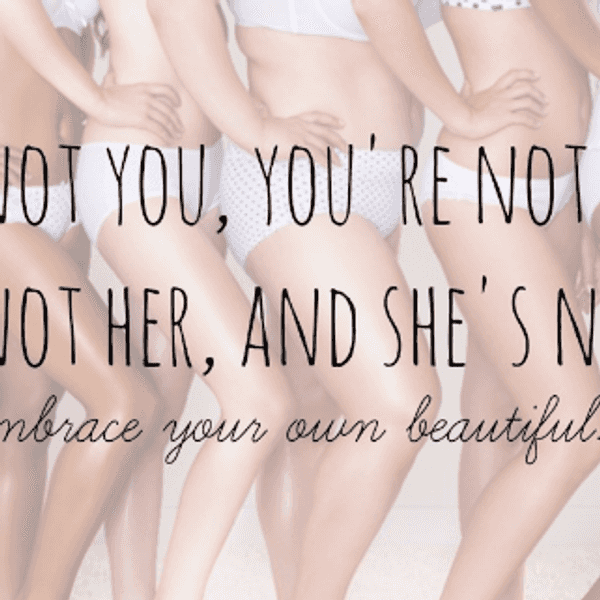
There is the obvious nasty bite of fat-shaming that lingers- calling a size four "plus-sized," or many high-fashion companies only selling up to size six or eight in a country where the average woman is a size 12.
But recently, media has introduced all kinds of new body-shaming; an unusual and rarely-spoken about one being skinny shaming. While Megan Trainor's songs are undeniably catchy, her song "All About That Bass" tells listeners not only that skinny girls aren't as desirable as thick girls, but that your body type's value depends on what boys like. She sings that bigger girls are better because boys like them more, which is a detrimental message on so many platforms.
There is also the ever-present "dragging" of Taylor Swift, and while it is albeit sometimes hilarious, the constant shaming of her slimmer figure is detrimental in many ways.
Girls who were always called "toothpicks" or "skin and bones" growing up read the horrific hate speech towards Taylor online, and transfer it to their own reflection. If everyone thinks Taylor is ugly because she looks like a beanstalk, what must people think of her?
Body-positivity is often exclusively directed at girls insecure about being "fat" or "too curvy," and while these girls certainly deserve empowerment and encouragement, girls who loathe their bony hips and tiny waistline deserve it just as much.
Lastly, there is a massive gap in inclusion for the LGBTQ+ community. While the television and film industries are slowly becoming more inclusive, it isn't quite cutting it. A survey of 5,700 SAG-AFTRA members discovered 53 percent of lesbian, gay and bisexual performers “have heard directors and producers make anti-gay comments about actors” and that they “believed that directors and producers are biased against LGBT performers.” Even more sullen is that when shows do include members of this community, they are often killed off for plot devices- especially gay and lesbian characters.
The moral of this story is, every young girl, every woman, and every human being in this world is beautiful. As corny as that sounds, it is overwhelmingly true. We need to work towards an all inclusive media that teaches our children acceptance- our minority children, our chubby children, our skinny children, our LGBTQ+ children; we need to create a world in which every person, no matter what their reflection greets them with, can log on to Twitter or open a magazine and feel like they belong there. Every girl should be able to say they find themselves in their famous role models, and they shouldn't have to bend or mold their self-images to do so.