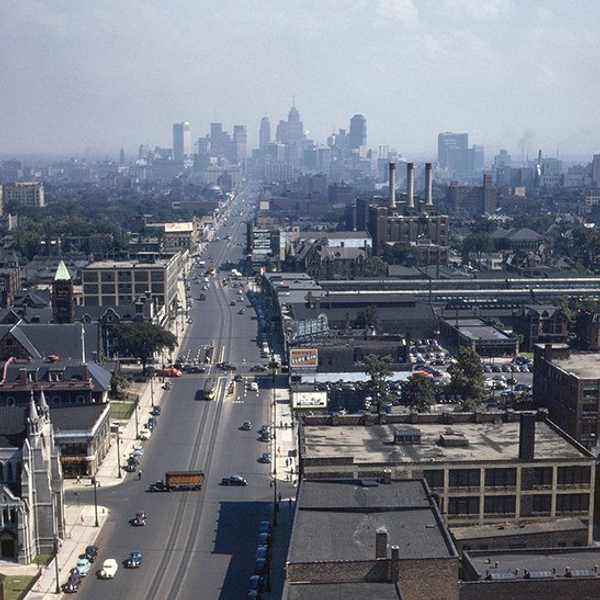
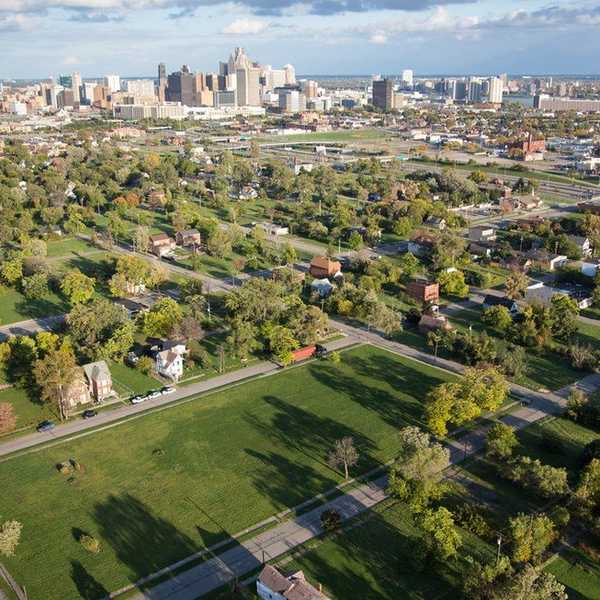
Mice, roaches, mold, falling ceiling tiles, and deteriorating hardwood floors aren't normal conditions for Michigan schools unless they're housed in Detroit. Last month, more than two-thirds (totaling to be more than 65 schools) of Detroit schools were closed due to "sick-outs," where teachers called in sick in massive numbers to bring attention to the conditions of the schools.
A normal work day for DPS teachers consist, not only of teaching, but of being exposed to danger, and fearing serious injuries. Students would rather learn outdoors than inside of DPS schools. In bad weather conditions imagine the sicknesses that Detroit students and teachers are prone to, primarily because of leaks roofs, non-existent insulation, and faulty repairs. Now, imagine learning in the classrooms pictured below.

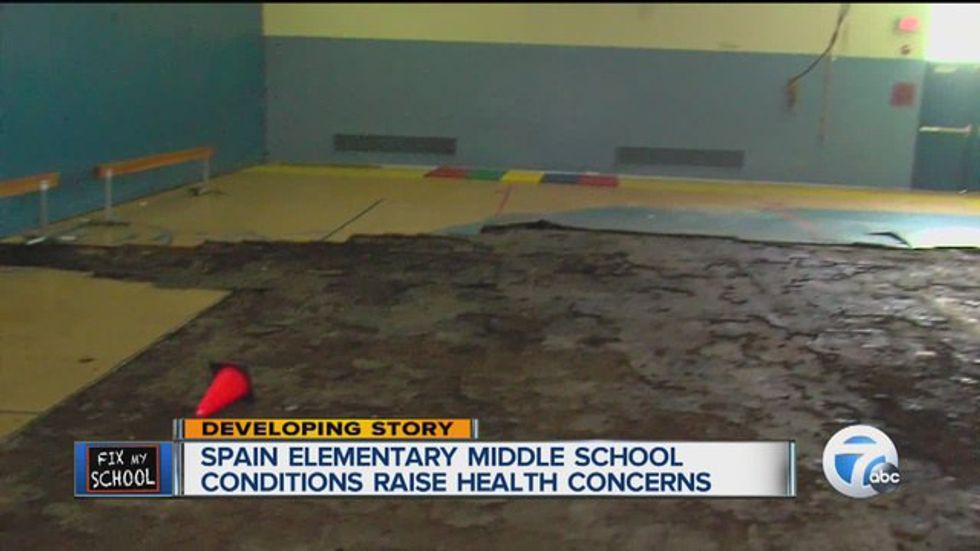
With the Flint crisis taking up a significant amount of Michigan's funds, Detroit Public Schools are taking a tremendous beating. When cutting teachers, closing schools, and begging for donations barely works, Detroit, Michigan must come up with a new plan to keep schools open, clean, full, and funded.
Can marijuana sales help fund Detroit Public Schools?
Yes, we've seen proof in the numbers. Oregon brought in $10.8 million during it's first week of legalizing marijuana for recreational purposes. Colorado opened 24 stores on the first day. Washington made $2 million during their first month.
In just 12 days, more than 40,000 people (over 50 percent) signed petitions to get the legalization of marijuana on Michigan's 2016 ballot. "What we're trying to create," says Matt Marsden (Michigan Cannabis Coalition), "is a new industry that's not just about marijuana, but about creating new jobs and creating a new revenue stream." Under the proposal, the state would decide the rate at which to tax marijuana, having proceeds go toward education, public safety, and public health.
With schools closing, teachers refraining from working in unhealthy conditions, and, ultimately, students not being able to attend school, Detroit will continue to be America's most dangerous city. Drop out rates will increase drastically and, thus, crime will skyrocket. This is no way to make the state of Michigan a better and safer place for its residents. So, is this government's way of keeping the rich richer and the poor poorer?--by putting the lives of the poor in danger at the hands of Michigan's richest and most powerful residents.
Will Michiganders vote in favor of the legalization of marijuana for recreational use? Better yet, will we fund the right for Detroit children and students to earn as equal an education and opportunity as nearby suburban school districts?