

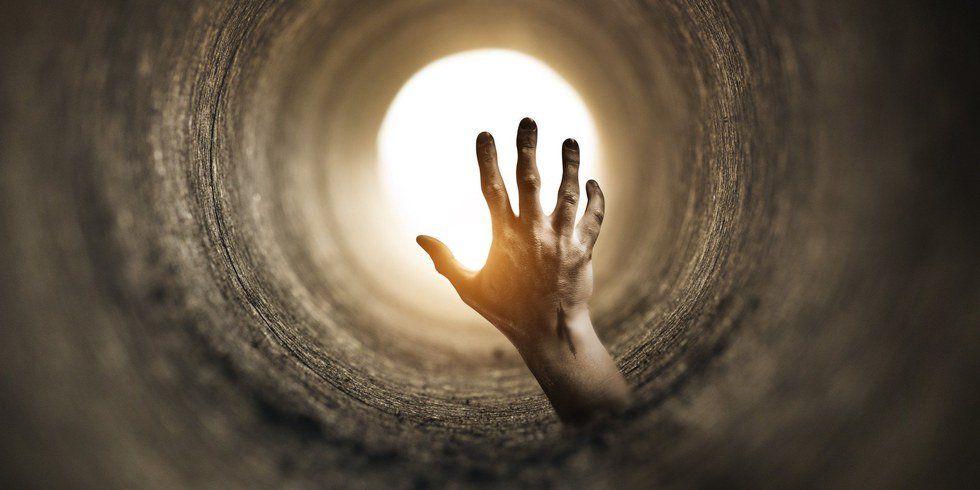
We live in a day and age where it is OK to brag about our fears. "I'm terrified of ____" or "I hate being around ____." Granted, some of these items/situations bragged about are pretty logical and reasonable. But we should choose to depart from the phenomenon of flippantly discussing our deepest fears in such a way that there is no route to overcoming. Because even the greatest of pathological fears can be worked through and beaten.
Pathological fears, or phobias, are fears in which an individual identifies as threatening and becomes extremely frightened. It is not always obvious when one is under the torment of a pathological fear, but some display their fears in order for others to hopefully respect and avoid taunting them. When one is truly under the torment of these types of phobias, they will no doubt desire for their confidence to be restored. However, they cling to their fears because it is a something they cannot find the benefit of overcoming or becoming involved with.
Examples of pathological fears include: fear of cancer, death and dying, fog, rain, eating, light and even love. These fears do not seem to be irrational, except for the fact that they are not inherently bad things and do not pose immediate danger to the individual who is terrified. However, pathological fears can go as far as being afraid of chins, being looked at, dolls, clowns or the color red.
The first route a phobia takes is avoidance. The individual will speculate about their fear and decide they want to stay as far away and the least involved with it as possible. They believe the distance will create lag time, believing they will never have to truly face it. When not faced, the fear takes root in the individual and marks their lives with hardship and even calamity.
Ones with these types of fears must understand the benefit of overcoming their anxiety and diving in to the root and core issue of their fears. It is possible, in any situation or fear, to identify the underlying problem or misconception. The individual can then choose to reason and write out why it is illogical to have that fear.
Individuals are often kept from facing their fears because they feel abnormal and are paralyzed from moving forward. But who defines "normal" anyway? In the majority of cases, fears can be traced back to an experience in one's life that has led them to cling to fear as a sort of comfort and escape. Every human being has been on a different journey, so "normal" is not a term that can be placed on someone's journey and not another's. However, there is room to say based on the term "pathological" that the fear is unhealthy for an individual to have, whether it is normal or not. Therefore, even if the fear does not deviate from the path of normality, it does deviate from a healthy path and should thus be defeated.