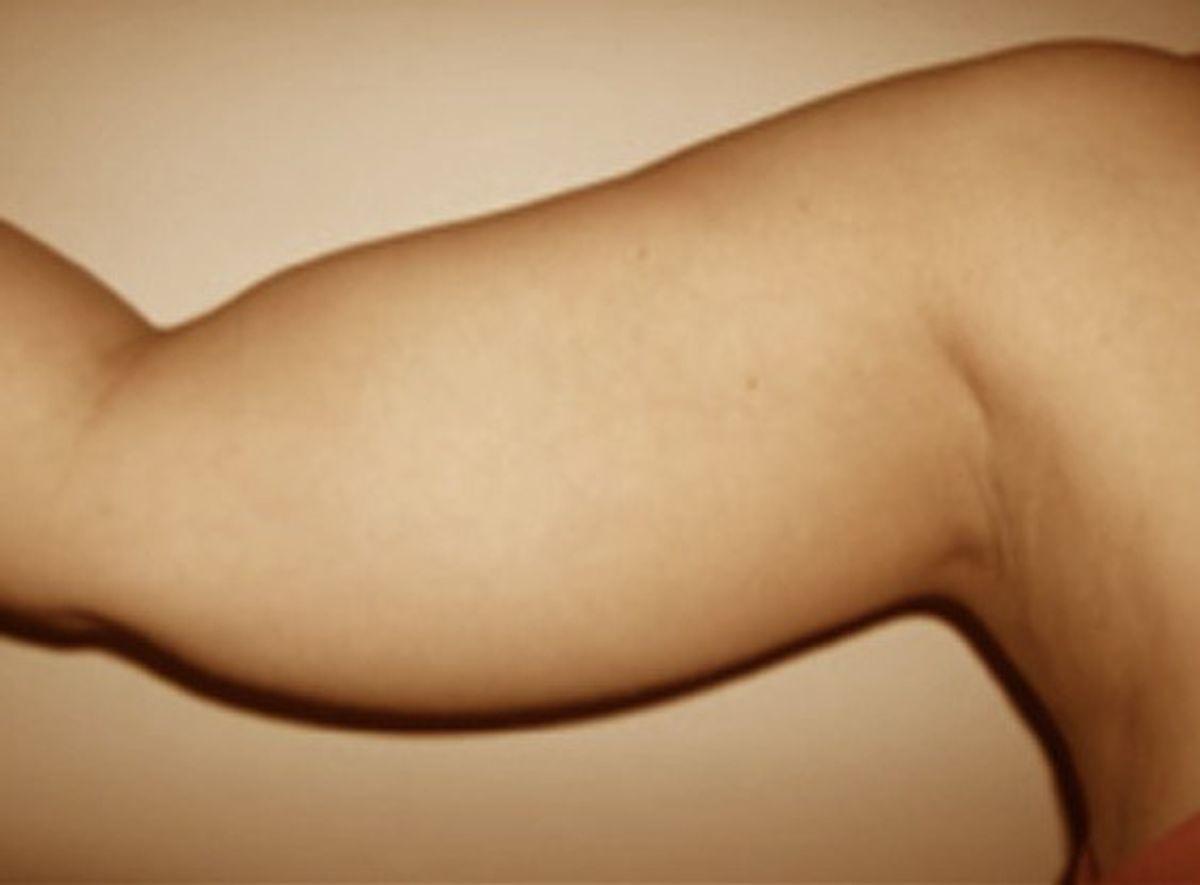
Let me tell you the story of my first two weeks of spring semester junior year:
I came back to campus after having a wonderful winter vacation and being in Washington D.C. for the fall semester. I got settled back into life in a dorm room and a small campus and I started back to my regular workout routines. While I was in D.C. for the fall semester, I ran regularly and did abdominal and leg workouts at least four times a week. When I got back to campus I was excited to be able to get back into doing a class called “Body Pump.” I had been heavily involved in this workout class during my spring semester sophomore year and had missed it while I was in D.C.
I jumped back into running and started going back to the body pump classes as soon as the semester began. I did not notice that I had pushed myself any harder than normal and I ignored the signs of fatigue and dehydration simply because I have always been guilty of drinking too little and I am consistently tired because of my very busy schedule. One night after getting back to my dorm room from body pump, I noticed that my left bicep was swollen. I thought that this was normal since there was no pain associated with the swelling and I had done arm workouts. So, I assumed it would go away by the morning. I woke up and realized that the swelling had not gone down, so I took Ibuprofen and put some ice on it before class, but I did not think it was serious since it was not painful.
Two days went by and the swelling had not gone down, so I decided to go to a clinic in town. The doctor at the clinic said that it was either a sprain or a blood clot and I should go to the closest hospital and get a test for a blood clot. So, I did. I did not have a blood clot, so the doctor at the hospital sent me home with prescription grade ibuprofen for a muscle strain.
Something was just not right. I know my body, I have had muscle strains before, and I had never had any swelling like my arm was exhibiting. So, two days after I had gone to the clinic, I decided to go to health services on my college campus and make them take blood and do a lab workup on me. Later that day the nurse from college health services had called me back to the office to tell me that I needed to go straight to the emergency room because my Creatine Kinase (CK) level was extremely elevated.
I arrived to a different hospital than the one that I went to for the blood clot test and they immediately diagnosed me with rhabdomyolysis (rhabdo). Rhabdo is a dangerous syndrome that is caused by the breakdown of muscle and outflow of muscle cells into the bloodstream.[1] The breakdown of the muscle causes the protein, CK, to be released into the blood stream. Muscles need this protein in order to function, but there are only supposed to be low levels of the protein in your blood because the kidneys cannot easily process the CK. The kidney’s inability to process the CK is the main reason that Rhabdo is so dangerous. Gone untreated, Rhabdo can result in kidney failure, compartment syndrome, and/or death.
I spent the next day and a half in the hospital getting pumped with IV fluids in order to flood my system and wash all of the CK out of my body. I was EXTREMELY fortunate to have caught the rhabdo early and gotten the treatment that I needed so that I did not have to undergo surgery or kidney dialysis. My recovery took about 2 weeks. I could not exercise with any weights and I had to stay extremely hydrated as my system continued to get rid of the CK. The doctors told me that rhabdo is caused by rapid movements with weight and too little hydration and nutrients available to the muscles to be repaired effectively. So, the Body Pump coupled with my dehydration and fatigue were just the right conditions for me to get rhabdo.
So, here is the take-away: If you work out, you NEED to know that Rhabdomyolysis is a REAL thing and it is VERY SERIOUS. Know your body so that you can tell if something is not quite right. Be proactive in your health - just because you exercise and eat right does not mean that you are invincible.
[1] Sauret, John, George Marinides and Gordon Wang. "Rhabdomylosis." American Family Physician (2002): 907-913.