
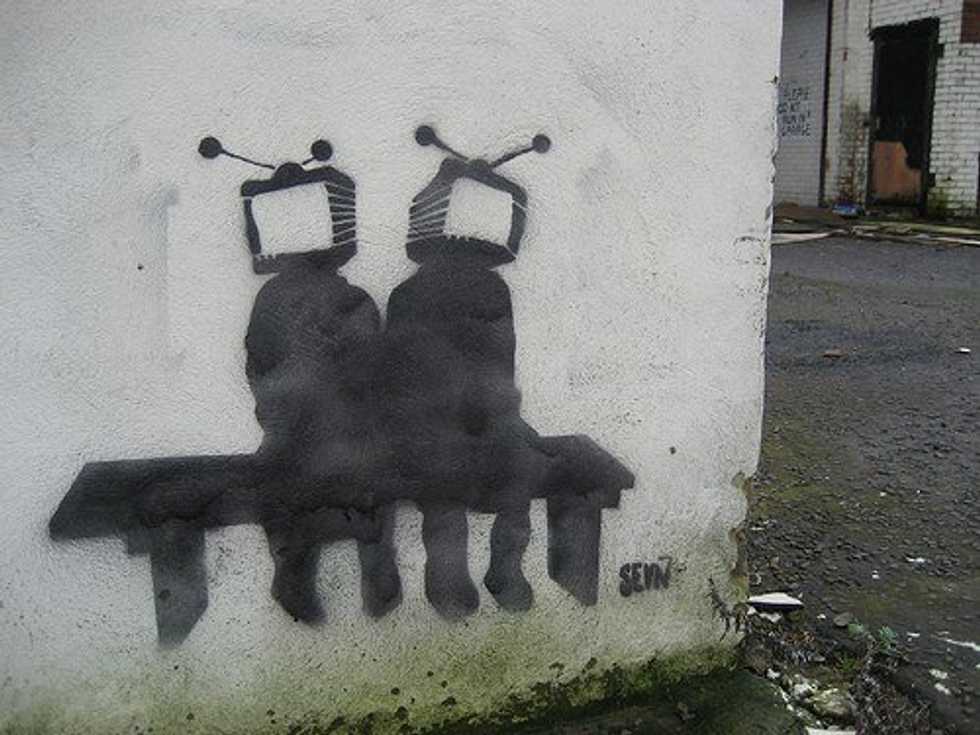
"The Amazing Race" and "The Bachelor/Bachelorette" have one thing in common, and that is that they share in being a part of the genre known as, reality TV. These two words will bring one of two thoughts to your heads. You either think, "Perfect! There is nothing better than watching *insert popular reality show here* after a long day" or, "These shows could not be a worse depiction of every day life, reality-schmality". Regardless of your opinion on reality television, one question overwhelmingly lingers... Why is our society so obsessed with reality TV?
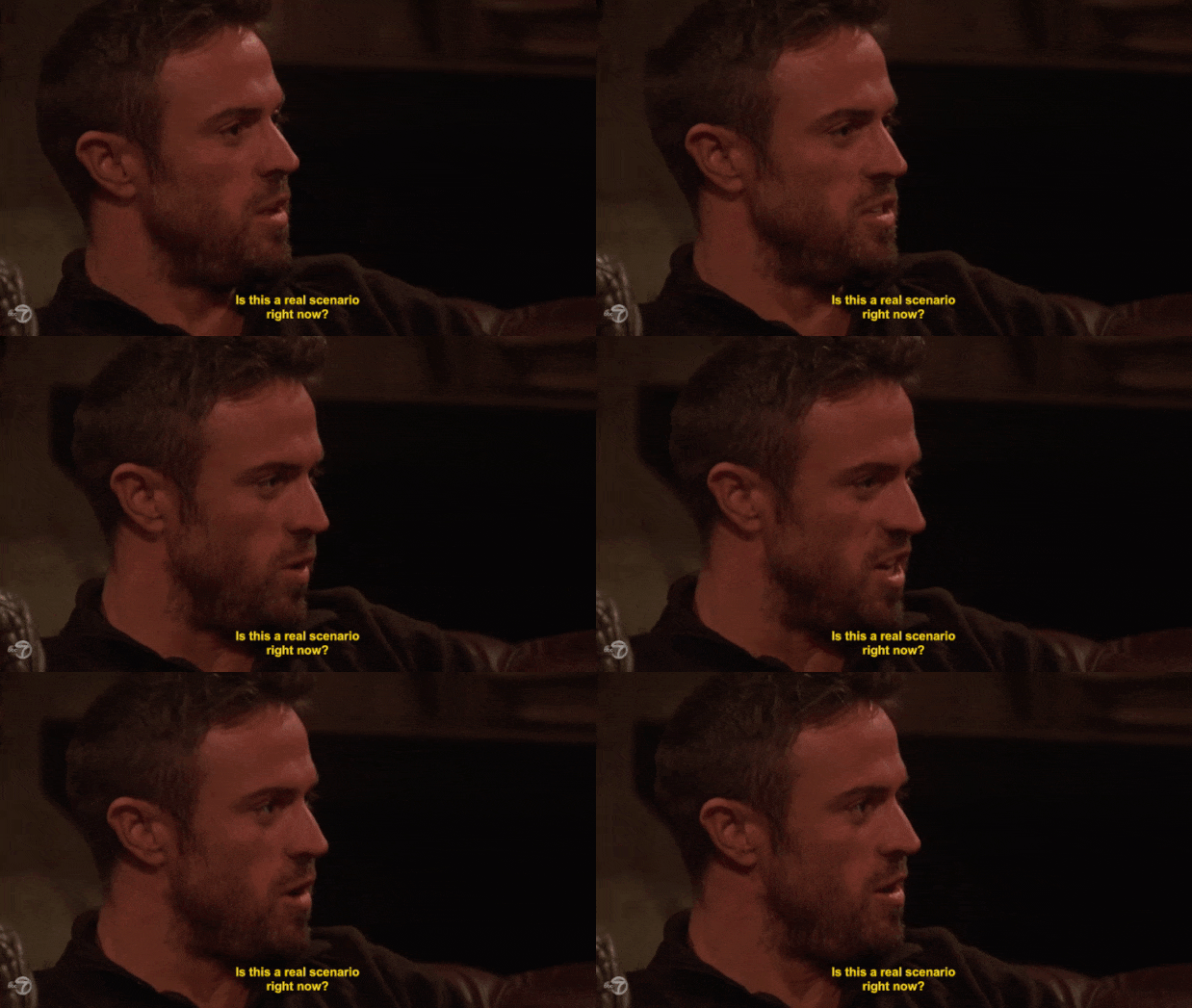
Believe it or not, part of the reason reality TV has become so popular is that it's consumers believe that it truly is real, and therefore comparable to their own lives. For example, after viewing television programs such as "Teen Mom" or "The Real House Wives," some people are often left with enhanced feelings of self-worth. These feelings of self-worth are brought forth from either the positive attributes or even the negative characteristics of those being televised. The viewers then are able to find a justification for their own behaviors after watching the show. Hence why there are hundreds if not thousands of articles published that resemble the titles such as, "10 Times We Were All Chad From 'The Bachelorette'" or "Reasons You Are The Simon Cowell Of Your Friend Group."
Some other viewers on the other hand, find their societal gratification through reality TV. Often those viewers may find a need to modify their own actions based on the perceived reality of the television show. That's why you find that shows such as "Keeping Up With The Kardashians" have merit in what is fashionable to say, wear and how to do one's make-up. People often interpret these reality TV stars as symbols or icons that could change how society acts as a general whole.
Reality TV makes the at-home-viewer feel like they have a personal connection to the "normal" celebrity life. Viewers then will look into the to the latest slang, various fashions and technologies presented through product placement. Because of this, reality TV consumers are allowed to feel right in step with the society's ever changing pace. This also puts money in the pockets of the companies who are endorsing these reality TV stars.
Part of the mind-boggling phenomenon of this genre is that the viewers of these shows perceive the characters to be more "real" than they actually are. The viewers attempt to emulate the stars through development of unhealthy views. The views stretch from things such as dieting and cosmetic modifications to even treatment towards those surrounding them. These emulations are made to appear normal by the television program itself.
These televisions shows may widely vary in content; however, they all produce the same general side effects in their consumers. With the knowledge that you now have of what happens behind the scenes, how will you as the viewer, let your favorite reality television show affect your perceptions?