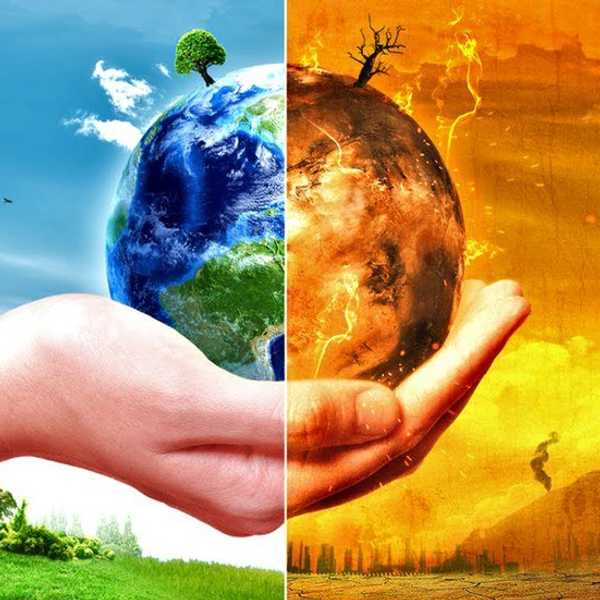
Climate change is a term that has been circling around for a number of years. But what exactly is it? Basically, climate change means that the average surface temperature on Earth is rising, and pretty quickly, too. The overwhelming majority of scientists across the world agree that humans have drastically sped that natural change. Humans use fossil fuels (like oil and coal) that release carbon dioxide and other greenhouse gasses into the atmosphere. They trap heat inside, which has massive effects on ecosystems. Sea levels have risen, and there have been more severe weather events and droughts that create land more susceptible to wildfires. Some other causes of climate change include agriculture and deforestation, as well.
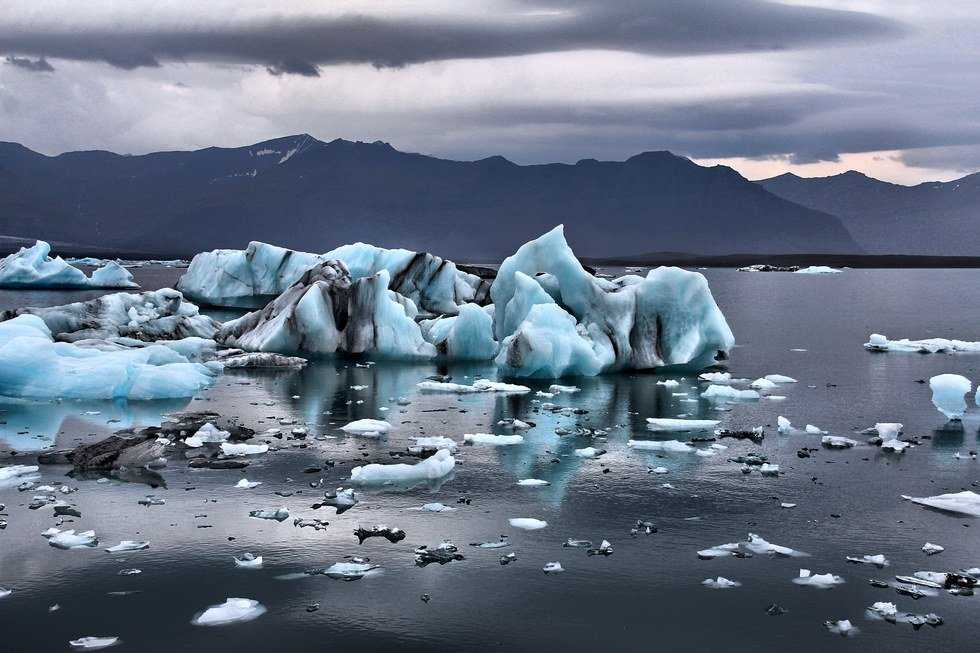
The evidence for climate change is clear, and data implies that climate change is a very real issue. The global sea level has risen almost 17 centimeters, or 6.7 inches, in the last century. The rate of the last century has doubled within the last decade. The global temperature has been rising. The past 35 years has seen the most warming, and 15 of the 16 warmest years ever have happened after 2001. Since 1969, the ocean's temperature has increased by 0.302 degrees Fahrenheit, absorbing much of the Earth's increased heat. The most obvious evidence is shown by the shrinking ice sheets. Greenland lost 36 to 60 cubic miles of ice per year between 2002 and 2006. Antarctica lost 36 cubic miles of ice between 2002 and 2005. Glaciers around the world are retreating, including ones in the Himalayas, Alaska, and the Rockies.
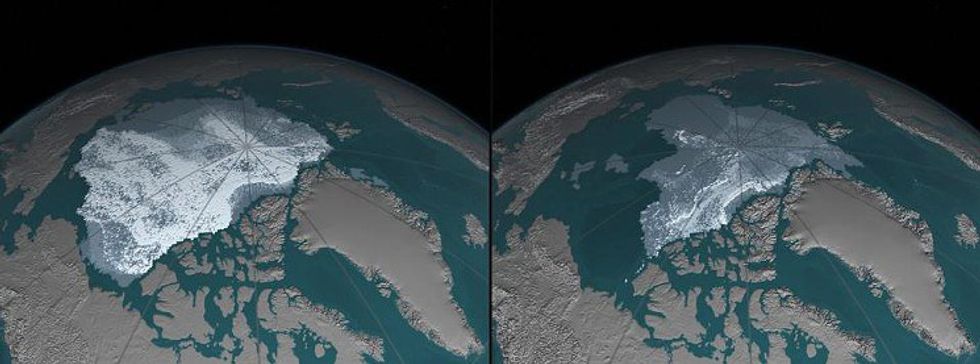
While Earth has seen at least seven cycles of climate change (think of the Ice Age), the cycle we are in right now is a little bit different. This one is likely created by humans and is moving at a much faster rate. A little bit of short-term variation in climate is very normal, but this trend is longer-term, which is indicating a changing climate. The image below was released by NASA after the recent inauguration, showing the realities of climate change affecting the Arctic's sea ice. On the left is a photo from 1984, and on the right is a photo from 2016.
A change in climate can change pretty much everything. As many systems are interrelated, rising temperatures can affect the lifestyles of humans, plants, and animals. If we continue to go at this rate, we can count on seeing changes in food production, availability of water, and health risks. A great example of this could be just a simple change in the timing of the rainy season. Just a slight difference can change when plants bloom and produce fruit, when insects hatch, or even when streams are at their fullest. This can affect crop pollination, spawning of fish, water supplies for drinking, water supplies for irrigation, the health of our forests, and many other things.
Obviously we don't want this to happen, as it will affect every living thing on this planet. But what can we do? There are many causes of global warming, and just stopping one of them won't really help. Many scientists believe that there is no way to fix the damage already done. We have been on the right track recently, and many organizations and people were pushing for a sustainable future. If we continue the fight, our future will look a little brighter. I encourage you to keep living sustainably, reducing waste and reducing your carbon footprint. It can be as simple as taking the bus a few days a week, or turning the lights off when you leave the room. Countries can start focusing more on using green energy and distancing themselves from harmful fossil fuels. If you want to be bold, contact your local representatives and ask them to keep fighting for a green future. Living sustainably now can help provide our future generations with a more beautiful world, and a better life.