

There is an aroma that has been lingering and penetrating into the basis of society and culture. It carries an almost unnoticeable shade of grey that outlines the foundation of modern science. The discoloration is caused due to Western science being seen as an evolving field that is constantly gathering and growing data and research. Creating new information and progressing ideals and theories.
The current standard of Western science allows the field to be seen as a carrier of truth with notions of authority and power. These ideals of overwhelming influence sprouted out of the Enlightenment that aimed to change the monastic norm into a standard of rationalism. This time period is also when modern science and scientific thought began to appear within the dominant discourse and literature. Many of the theories and inventions created during this time have had direct influences on modern society, and still remain although they may be outdated.
A specific example that can be traced back to the Enlightenment is René Descartes’ Cartesian Split. The Cartesian Split created a separation between the mind (logic) and the body (feeling). Descartes argued that the Cartesian Split separates humans from other animals and that even though the body may resemble savageness, the mind will remain civil.
Additionally, Descartes gendered these concepts and invented the notions that maleness relates to thinking and femaleness relates to feeling. Not only are these ideals untrue, they also have perpetuated the patriarchal model that has been controlling the West for centuries.
When Descartes published his research with scientific credentials his work was exercising scientific authority to reinforce the notions of gendered ideologies and concepts. Even to this day women are seen as overly emotional and unable to control their feelings. In extreme cases, women can become diagnosed with hysteria, which is a gender specific illness used to describe a woman who cannot control her feelings. According to Descartes, women are insufficient in logic because logic itself, the mind, is a male trait.
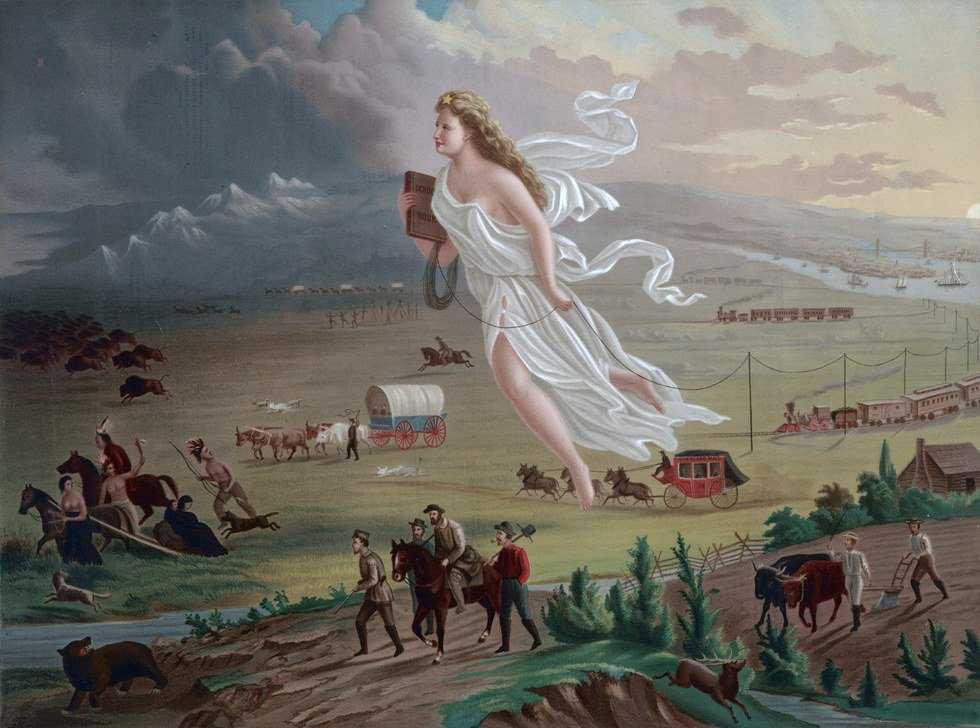
These credentials also helped allow the growth and evolution of the Enlightenment time period, which is known for bring the Mid Evil and Dark Ages into the light. We think we are enlightened and progressive, but perhaps a progress narrative is just our commitment to modernity. This model assumes constant progress and modernity, where we literally came into the light from the darkness and shadows.
But does this really benefit who and where we are as a society? Or does it limit our rational and the scope of unknowing possibilities?