
I think I speak for most girls when I say I grew up idolizing Disney Princesses. I must've watched Cinderella 100 times. I also played with Barbies and Bratz Dolls (gag). Princesses and dolls are the stereotype toy for girls. The United States' cultural hegemony is set up so it is pretty much only socially acceptable for girls to dress up as princesses and play with Barbies. This is a shame because both of those things are fun so it should not be an exclusive activity for girls (just as playing with trucks shouldn't be exclusive to boys). Anyway, other than only targeting half of the childhood population, the people designing and marketing Disney Princesses and Barbie Dolls are responsible for some more damage.
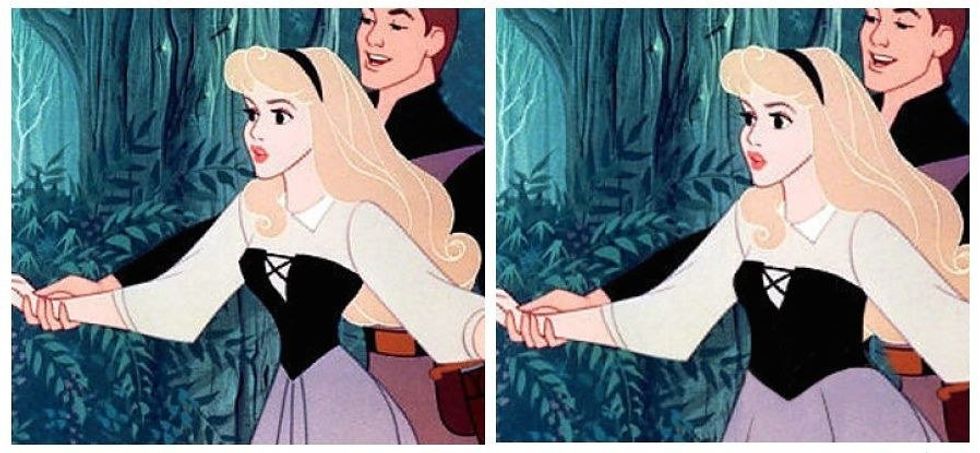
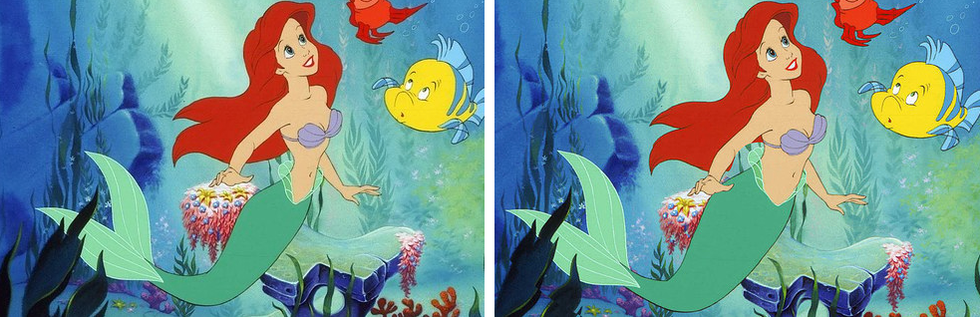
I recently read an article on BuzzFeed that brought up how ridiculous the Disney Princesses' waistlines are. After reading it, I was shocked. Disney Princesses' trick young girls into believing that beautiful people are thin people.These physically impossible standards are engrained into girls' minds at young ages. They look up to these princesses and strive to be like them (I know I did). Even though most Disney movies' mantra is "be yourself," it's easy to question if yourself isn't good enough when you compare yourself to the princesses on screen.
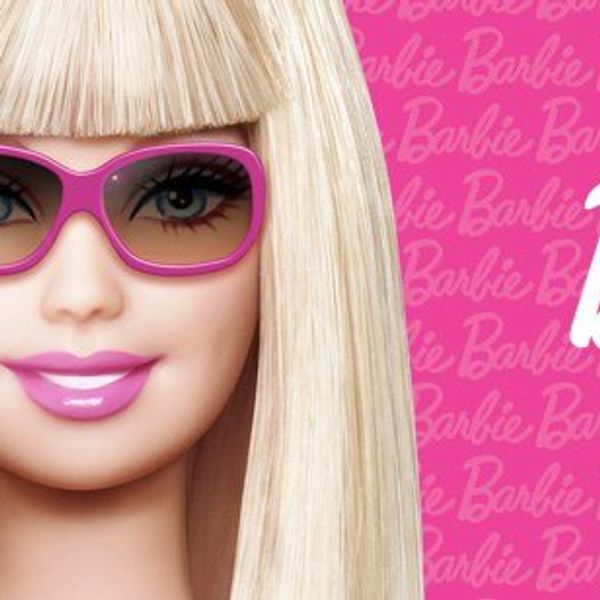
But Disney is not the only industry profiting off of harming girls' self esteem. Barbies and other doll companies are responsible as well. After reading the BuzzFeed article about Disney Princesses, I decided to research other ways the media has shaped girls' ideas about body image. The answer: pretty much everything the media does somehow affects girls' ideals about beauty. What I found most interesting was how unattainable a Barbie Doll's body is. One study compared Barbie's proportions to the average American woman and found that "her 16-inch waist would be four inches thinner than her head, leaving room for only half a liver and a few inches of intestine." It is absolutely unfortunate that girl's have limited options when it comes to dolls who have unrealistic features.
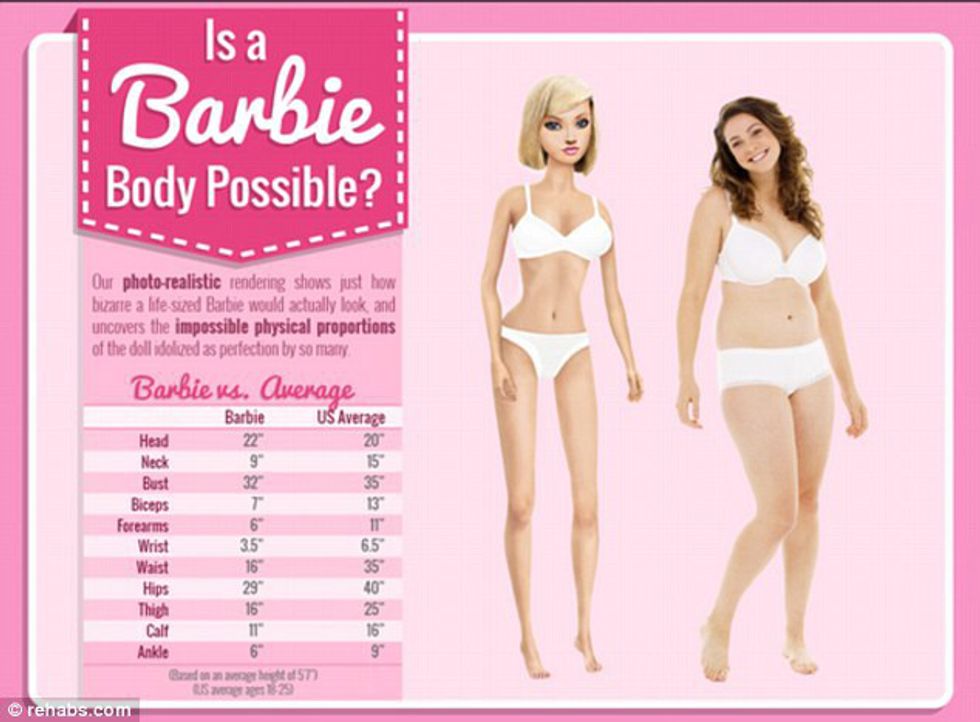
Sadly, Disney Princesses and Barbie dolls are only the tip of the ice berg. Girls are constantly, and often silently, taught that they are not pretty or good enough. Whether it be due to comparing themselves to photoshopped models on magazine covers or to actresses who have the power of make up artists, hair stylists and personal trainers, it is no surprise that so many girls struggle with self confidence. Unfortunately, girls are being thrown into this vicious cycle at young ages due to the unrealistic expectations that companies, such as Disney and Barbie dolls, set.