

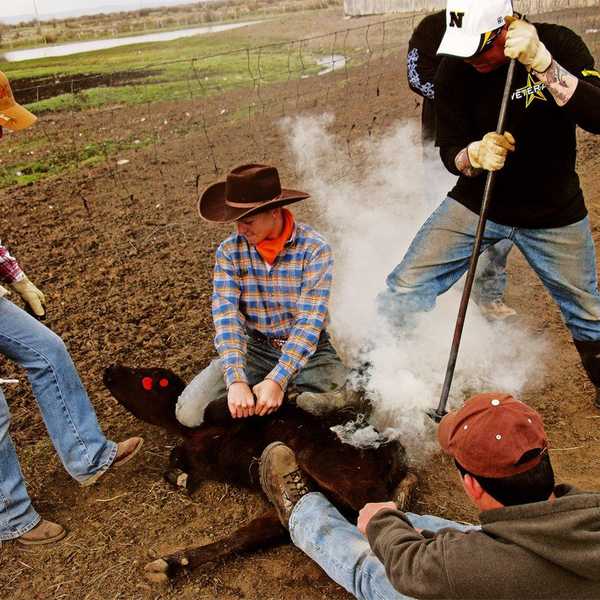
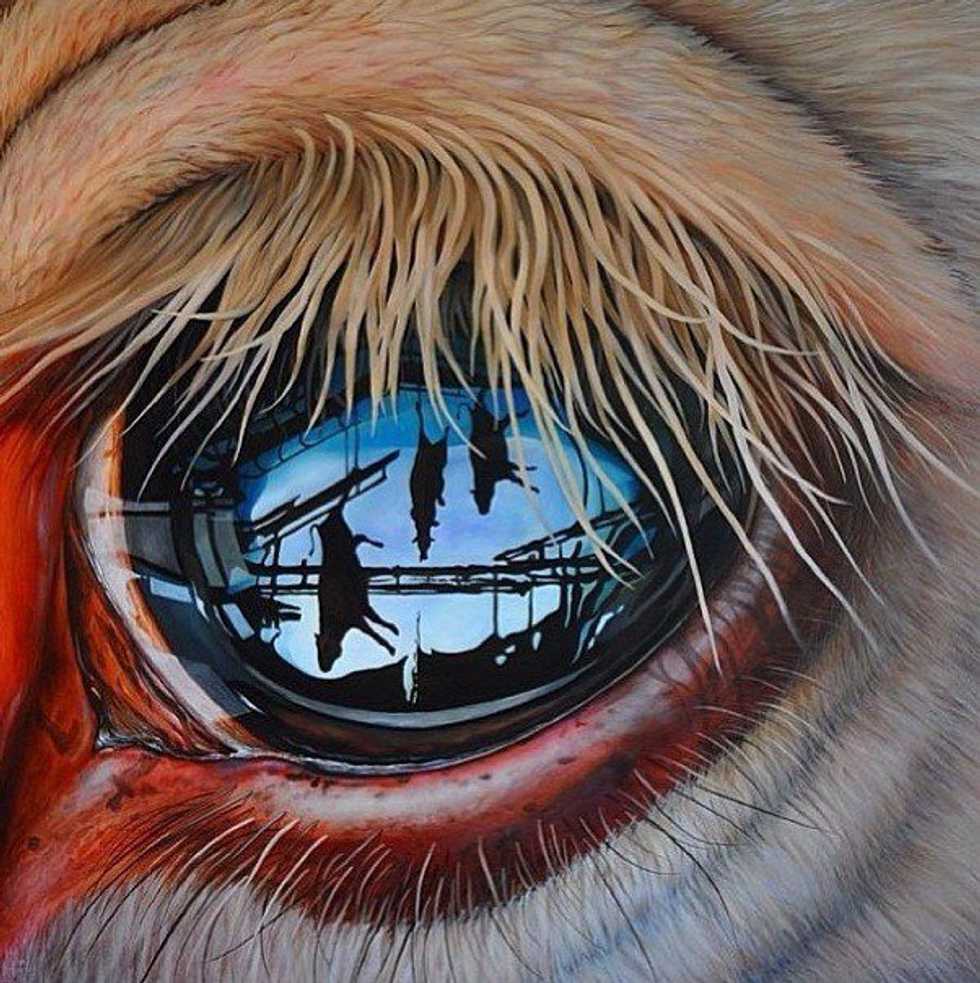
When I decided to stop eating meat around a year and a half ago, I thought it would be an extremely difficult transition. Truthfully, I only had this mindset because in America, we are used to eating meat and other animal products with almost every meal. The average United States resident will consume around 270.7 pounds of meat per year. Americans eat more meat than any other country, almost 12 times more than the average Bangladesh resident.
While the popularity of farm raised, organic meat consumption has grown in the past years, the ability to afford and consume these expensive food items is difficult for the average person. For these reasons, most people purchase processed, mass produced meats. Aside from all of the chemicals and health hazards that come along with factory farmed food, there have been so many controversial stories surrounding the treatment of animals, employees, and the environment, especially when it comes to brands like Hormel or Tyson. Here are some reasons you should think twice before you buy that bag of frozen chicken fingers.
1. Treatment of employees.
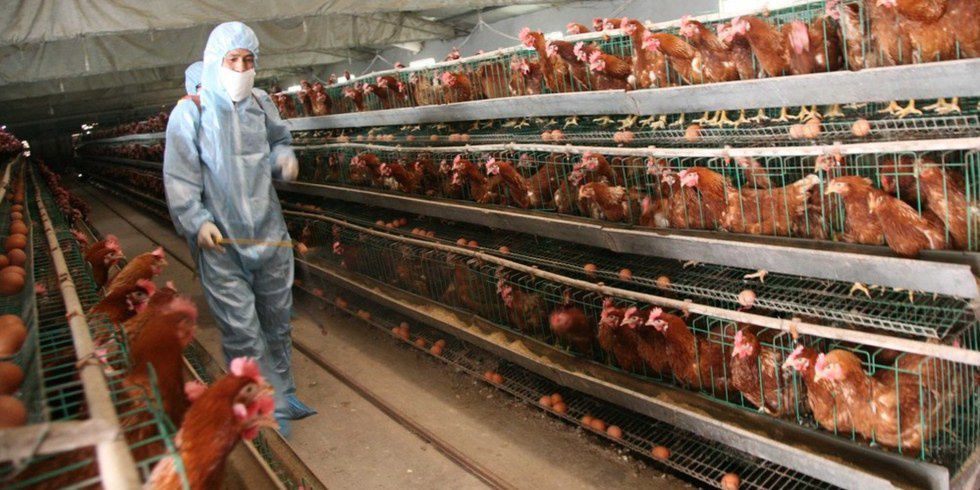
More often than not, factory farms are built in low-income areas where residents don't have many other options for work. Approximately 72 percent of slaughterhouse employees were born outside of the U.S., and around 48 percent do not have legal authorization to work in the United States. These employees are also "at-will workers," meaning they can be fired at any time. Because of this, very few workplace accidents are reported out of fear of losing their job.
In addition to this, injury and health-related issues occur very often for factory farming employees. Due to chemicals in the air, like ammonia and hydrogen sulfide, 70 percent of farm workers will suffer from respiratory issues. An employee who has been working in this industry for at least five years has around a 50 percent chance of experiencing work-related injuries, like disease from animal carcasses or accidents involving equipment and machinery. Due to the poor pay, around $23,000 a year, most employees are barely living above the poverty line. Because of this, they cannot afford proper healthcare, and their injuries and diseases go untreated.
2. Treatment of the environment.
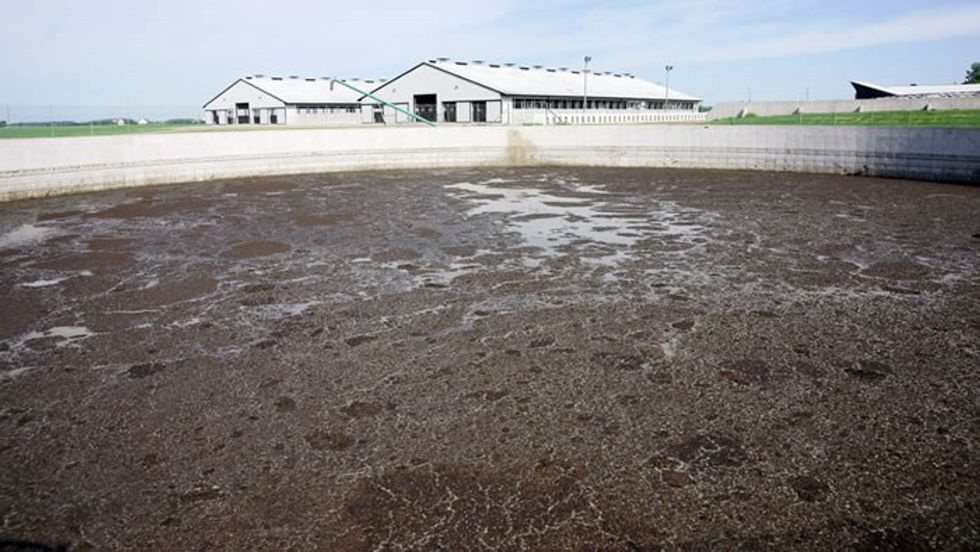
Human beings aren't the only living things impacted negatively by the world of factory farming. More than 37 percent of Methane emissions come from factory farms. Due to the use of energy, transportation, pesticides and fertilizers, factory farms emit 90 million tons of carbon dioxide into the atmosphere each year. Along with this, the industrial livestock industry uses around 70 percent of the world's fresh water supply. In order to eliminate animal waste, these factory farms use giant cesspools that have been known the leak out into other waterways and supplies. Between the years of 1992 and 1997, it was found that at least 12 workers died from asphyxiation by manure gases and drowning while trapped in waste lagoons.
3. Treatment of animals.
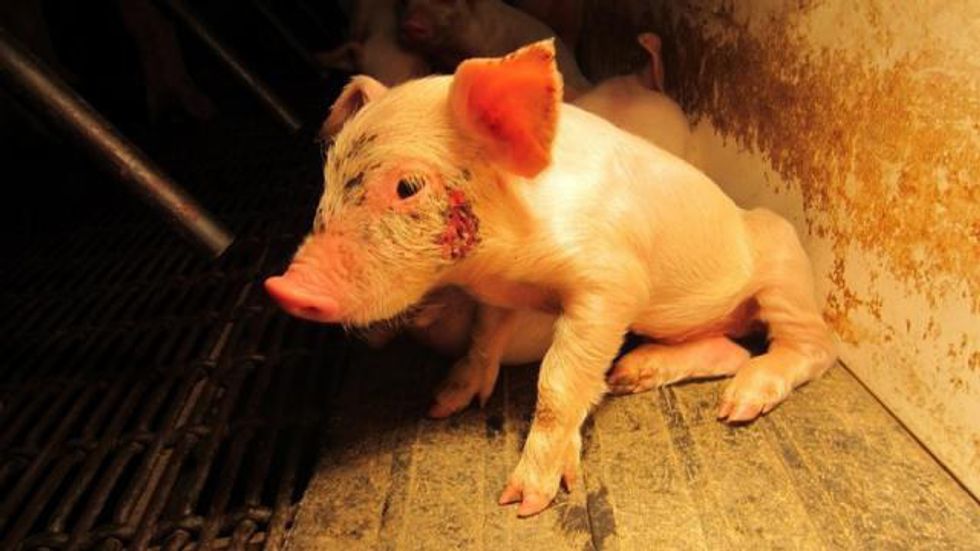
The abuse of animals is one of the most obvious and most horrible realities surrounding factory farms. Newborn pigs will recognize their names and the sound of their mother's voice. It has been found that pigs are smarter than both dogs and three year-old children. Yet, recently, a video went viral that showed a Hormel employee castrating and punting baby pigs around the factory. Along with situations like this, the everyday practices that go into processing meat are scary and cruel. The majority of chickens raised on factory farms will have their beaks clipped, burned, or ripped off in order to keep them from pecking one another in their all too close living quarters. In this industry, male chicks serve no purpose due to their inability to lay eggs. For this reason, many of these newborn chicks are ground up (while still alive) the day they are born.
Many people think that if a product says free range, it means the animals are living in better conditions. This is not the case. There are no government regulated rules about what can be labeled "free range," so many of these factories will have a window in the giant slaughterhouse and call it free range. Most of these animals are still kept in such close quarters they can barely turn around or spread their wings.
There are countless issues surrounding the treatment of all living things involved in factory farms. Both the environment and the products produced have negative implications for consumers, employees, and animals. This video, titled "Factory Farming in 60 Seconds Flat" gives a brief and horrifying glimpse into what goes on behind those walls. If you can't watch the whole thing, I suggest you reconsider eating factory farm meat -- both for your sake and the sake of all of the living beings impacted by this horrible industry.
















