

If you are a member of Greek life at Appalachian State University, you are required to attend a training session with your pledge class each semester. This session works to help you better understand how your actions and words can affect others in order to create a healthier community on campus. One of the topics discussed in the Fall 2015 session was microaggressions, or the ways in which small, often unconscious actions can be derogatory and invalidating to certain minority groups. We broke off into small groups to discuss how we as members of sororities and fraternities can work to avoid committing microaggressions and how to encourage others to do the same.
Within my group, the conversation flowed naturally from microaggressions to discrimination as a whole. I thought to myself, “Okay, cool! We are going to talk about issues that face minority groups in today's society, awesome!” Unfortunately, that is not the direction the conversation took.
Somehow, it took on a very narrow, self-centered approach. Everyone was describing how he or she has experienced discrimination as a member of Greek life.
Let me be clear. You are not discriminated against for being a member of a sorority or fraternity.
Discrimination only occurs if your way of life is somehow compromised or altered due to the way people act upon their perceptions of you based on your group affiliations. People of color are discriminated against because privileged people (i.e. white people) are able to dictate certain aspects of their lives thanks to the racist overtones that have permeated America's history. For example, a white CEO hires a white man over a black man who has equal or superior credentials. It may or may not be a conscious act on the part of the CEO, but it is very possible that the black man is not offered the job due to a variety of factors associated with racist stereotyping.
As a member of Greek life, do you honestly think you will ever experience this type of disadvantage? If you still aren't convinced, let's use the same scenario. For the sake of this argument let's say that you are a white male who participated in Greek life in college. You are up for a job against another white male with the same credentials, only they were not Greek. While it is still certainly possible that the non-Greek individual will be offered the job over you, it is safe to say that you won't be rejected because of your Greek affiliation.
Now, you might be saying, “but people judge me for being a sorority girl/frat guy; they think we are stupid and all we do is party etc...” I am not denying that people say these things. And your emotional responses towards them are valid. But this is not discrimination, it is stereotyping. A stereotype is a particular belief held about something. Prejudice occurs when someone has specific emotions towards a stereotype (like thinking people involved in Greek life are stupid). Discrimination occurs when the rights of an individual are denied or invalidated due to the prejudice of privileged individuals.
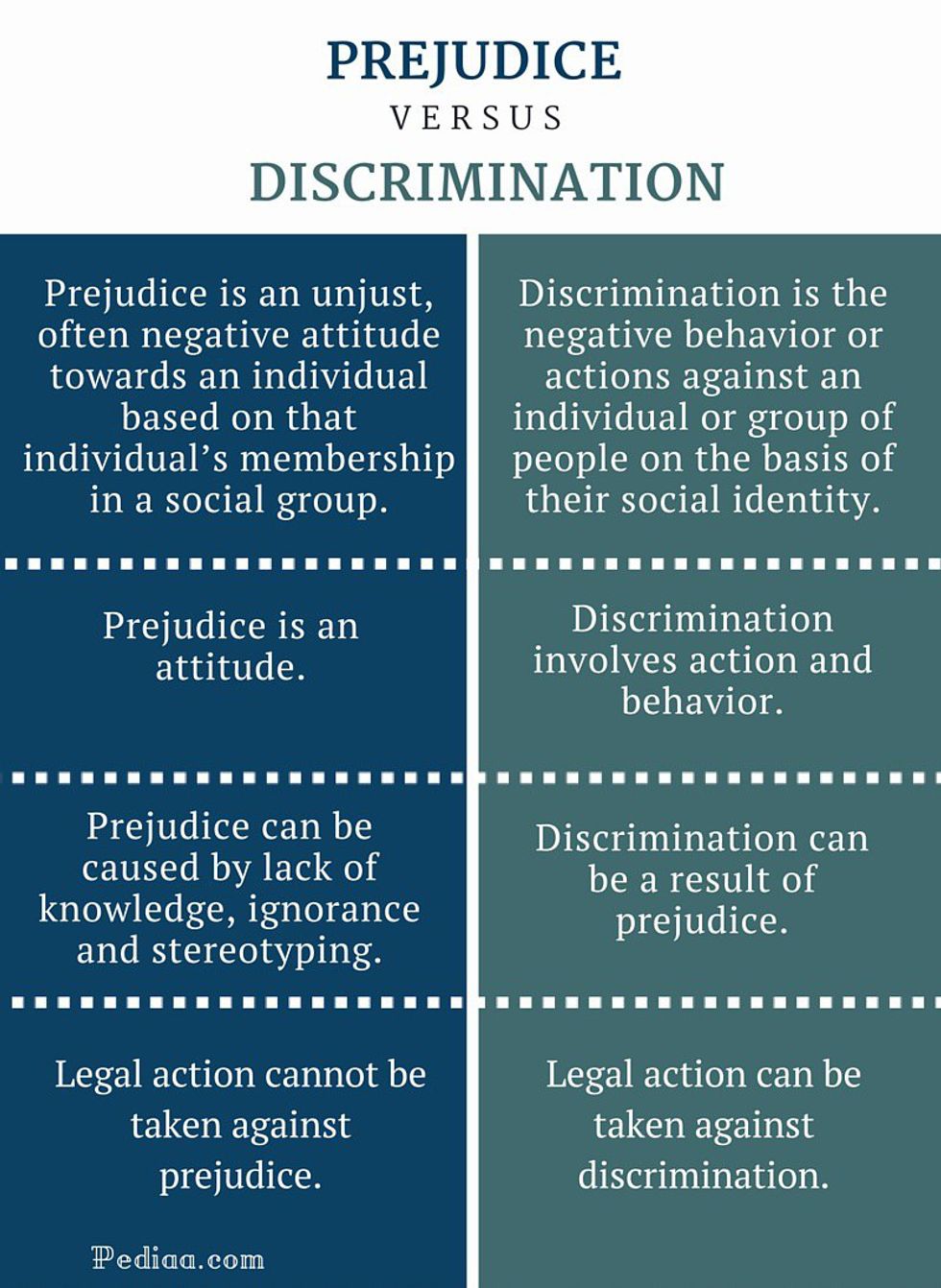
If you are a white, able-bodied, otherwise privileged individual involved in Greek life, your rights will never be infringed upon because of the letters you wear. If anything, you will have an even greater advantage in life than if you were not involved in a sorority or fraternity. Students involved in Greek life often have higher G.P.A.s than those who are not (all those study hours actually pay off), and an astonishing number of our nation’s most successful leaders and executives were involved in Greek life when they were in college.
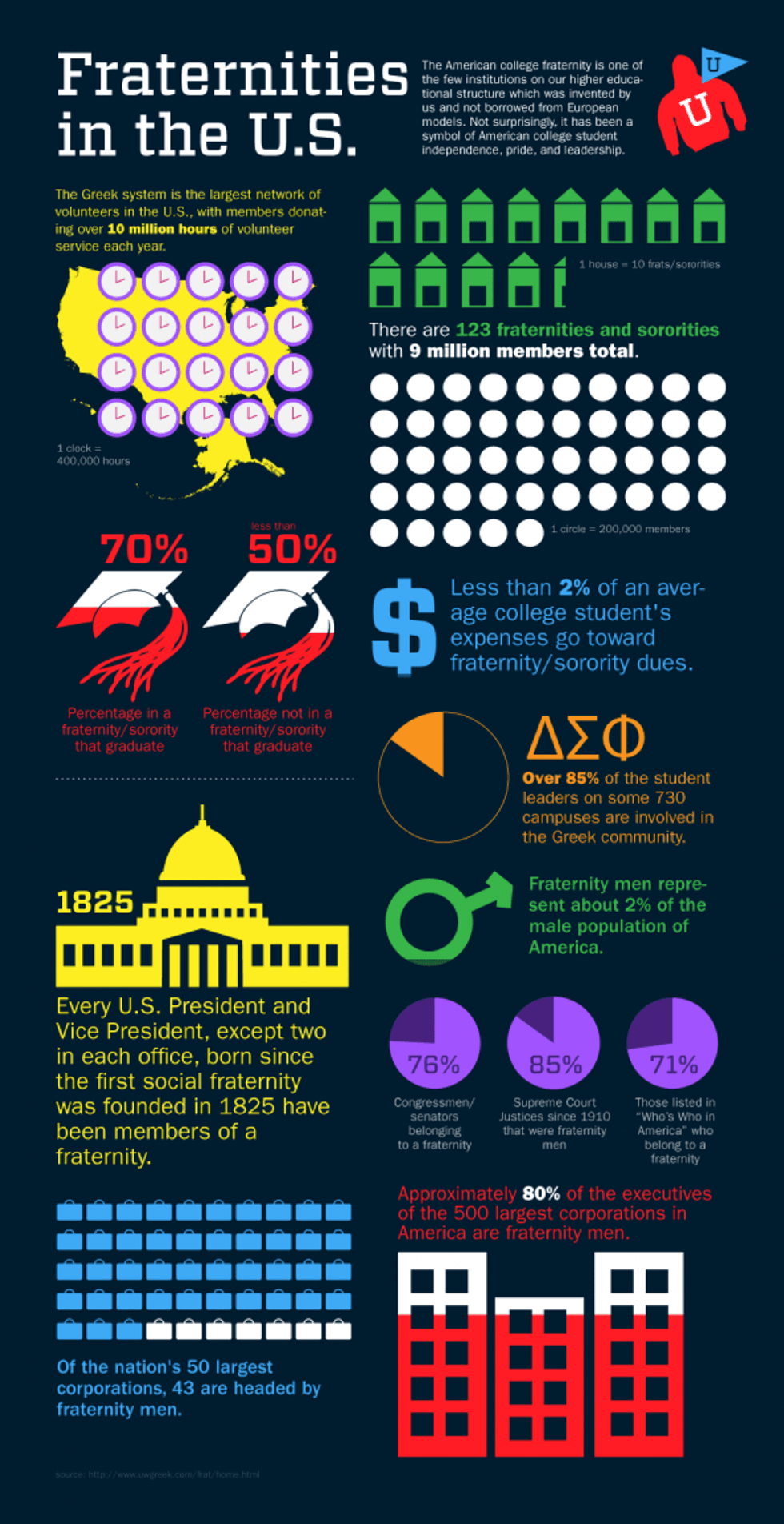

I fully support you in your desire to shut down the negative stereotypes about Greek life, but you should check your privileges before equating your annoyances to the struggles of those who are actually discriminated against.