
For the last couple of years, have you had one of the following thoughts?
"Can Donald Trump actually be President?"
"Are the polls truthful in predicting the Presidential nominees?"
"When do I get a say in which candidate is going to run for President come November?"
"Seriously, what is happening with this election cycle?"
If you have, this article is for you! I'm going to explain what is about to happen across the country before the Democratic and Republican Conventions in July. We are entering primary season, the most critical part of the election outside of Election Day itself. I'm writing this to explain to a person who isn't quite sure what will be happening in the next few months, so to all of you political junkies, I promise I'm not insulting your intelligence, just laying down the basics for everyone to enjoy!
Without further ado, let's begin this crash course: Presidential Primaries 101!
1. What are the primaries?
The primaries are what all the debates, news coverage, and campaigning are all for in the years before the Democratic and Republican Conventions. Primaries are state elections that take place between February and ; they are secret ballots similar to the general election, but with some small differences.
There are two types of primaries: open and closed primaries. Open primaries mean that a voter can pick someone from either party, but they must choose one party to vote with. Open primaries are the most common; they occur in twenty-four states. This gives people who are more independent a greater choice to vote for who they want elected in the general election, but in the 2016 case could potentially draw people to vote for weaker candidates in the opposite party in order to split the vote and disunite the party (think liberals voting for Trump so that the GOP is potentially stuck with him). Closed primaries occur in thirteen states and a voter can only vote within the party they are affiliated with on their voter registration. So a resident of Connecticut, Delaware, Maine, Pennsylvania, or one of the nine other states that have closed
However, not all the primaries are "primaries"; some are called "caucuses"; a caucus operates differently from the primaries in that a caucus is an open election and first involves a meeting set up by the state parties in which people can show support for their candidates before the vote. Caucuses occur in thirteen states, most famously Iowa.
2. Why have Iowa and New Hampshire been so important?
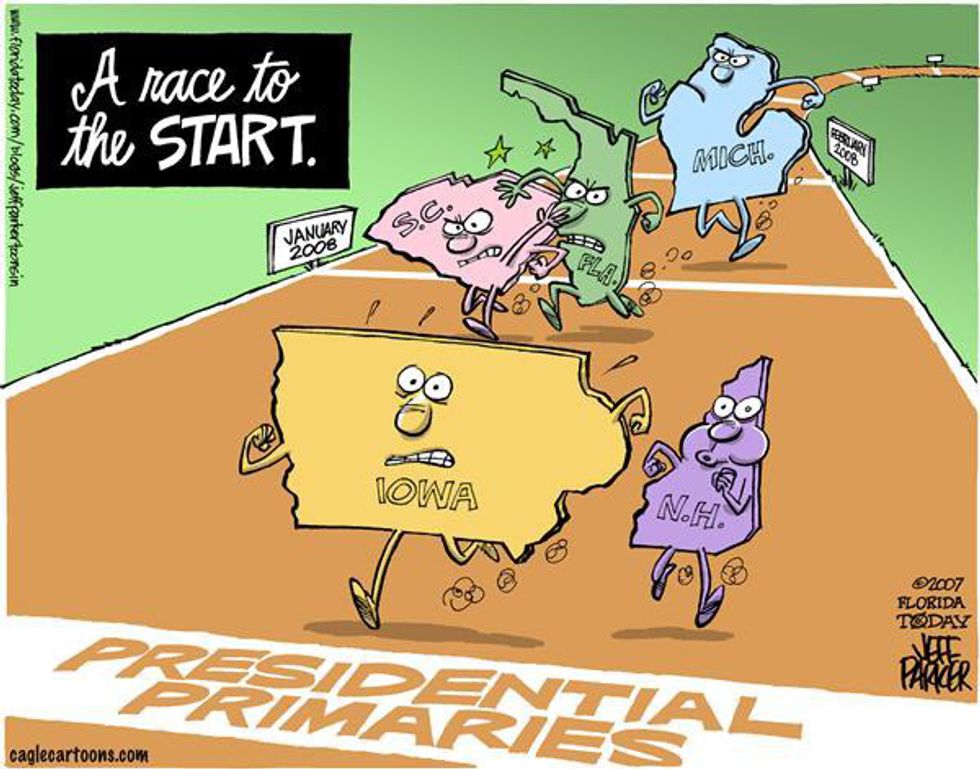
Although the saying goes, "first is the worst", candidates take Iowa and New Hampshire incredibly seriously because they are the first states to vote in a caucus and primary respectively. This year, Iowa opens up primary season on February 1, and New Hampshire quickly follows on February 9.
These two states take their role as the opening elections very seriously, and most polls during the campaign season are held in these two states because historically, these two states set the precedent for who will get the most votes and be chosen by each party to be the nominees for the general election in November.
3. When do I get to vote/How do I vote?
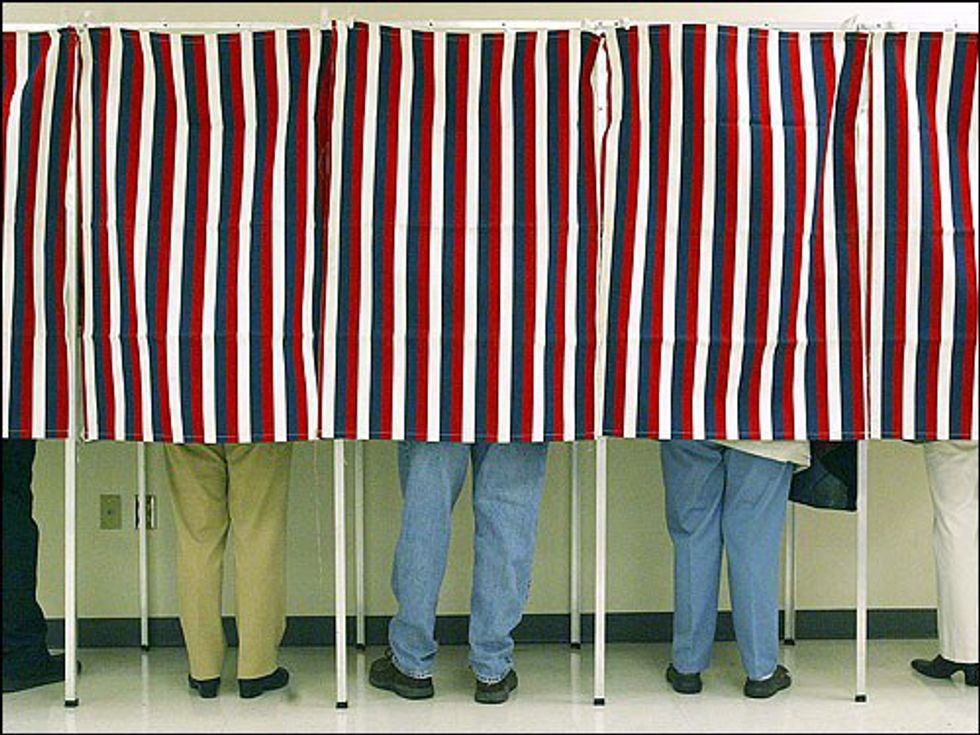
You can find a calendar of primary elections here! As mentioned before, this is the same process as the general election and one must be registered to vote, with the caveats in terms of whether your state practices open or closed primaries or a caucus. Check your state's voting website (for example, Pennsylvania's is here) for more details!
4. Will people finally drop out of the over-saturated GOP race?
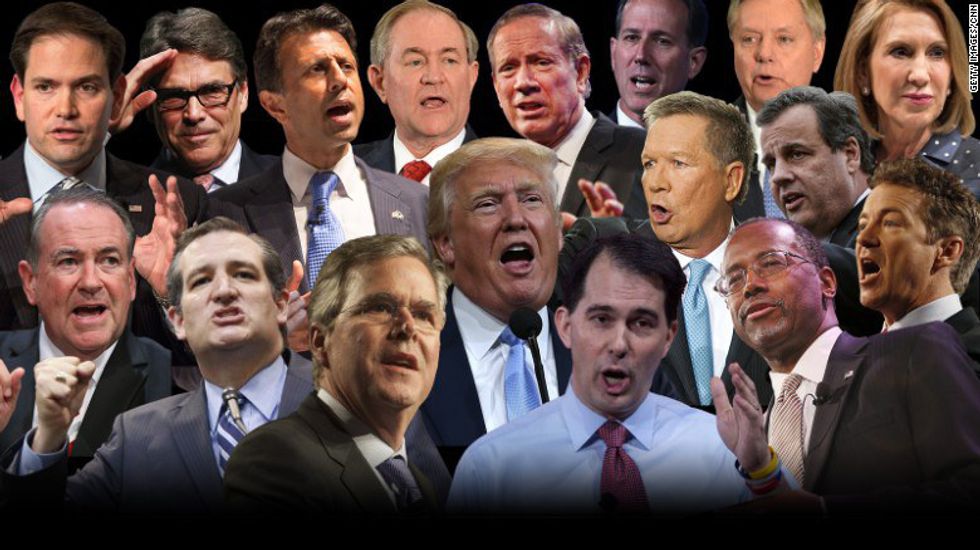
The simple answer is yes, but it's a bit more complex. With PACs and the ability for an almost endless supply of campaign donations, the notion that a candidate drops out of the race when they run out of support- because typically once a candidate runs out of support, they lose donors, and campaigns are made of donor money. However, with the 2008 Citizens United case still being upheld, many candidates are supplied a nearly endless supply of money due to their connections to corporate America.
But if the parties, particularly the GOP, want to create a united front, it would make the most sense for candidates who are low in the polls to drop out of the race and support a more popular candidate (this can be explained by Duverger's Law) ; on the flip side, America's value of freedom of expression and speech stipulates that anyone should be able to run for President.
5. What is the National Convention?
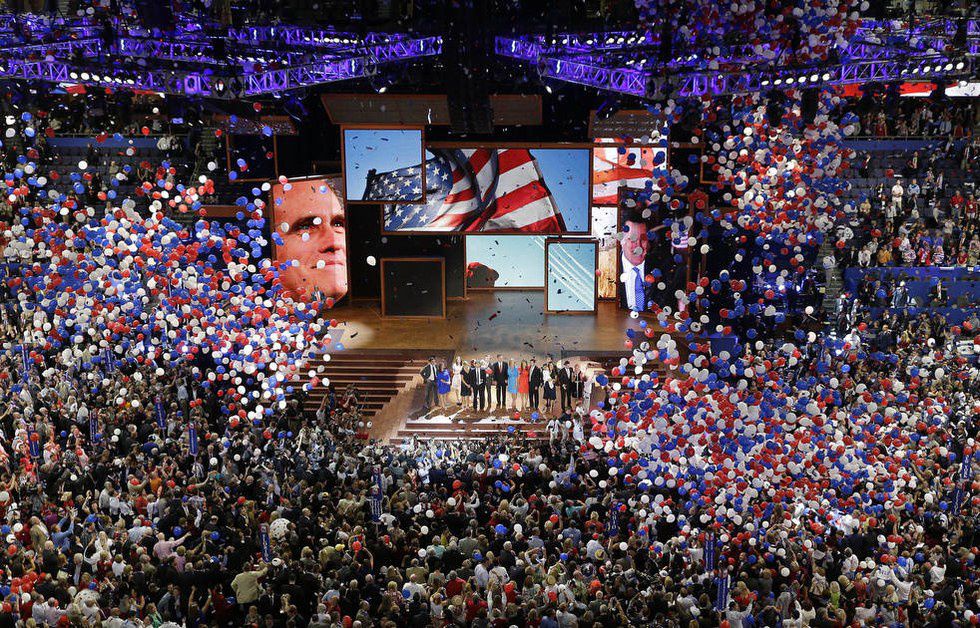
The Democratic and Republican National Conventions are where the aforementioned delegates come into play- it's sort of like the Electoral College, except far bigger and to be a delegate doesn't mean the person is a member of Congress! Each state sends in party leaders, and according to the votes in from their state, they are bound to a particular candidate.
The Democratic Convention is being held in Philadelphia this year, and the 2016 Republican Convention is going to be held in Cleveland- it's a huge honor to be chosen to be the host city for these conventions!
6. So... Donald Trump?
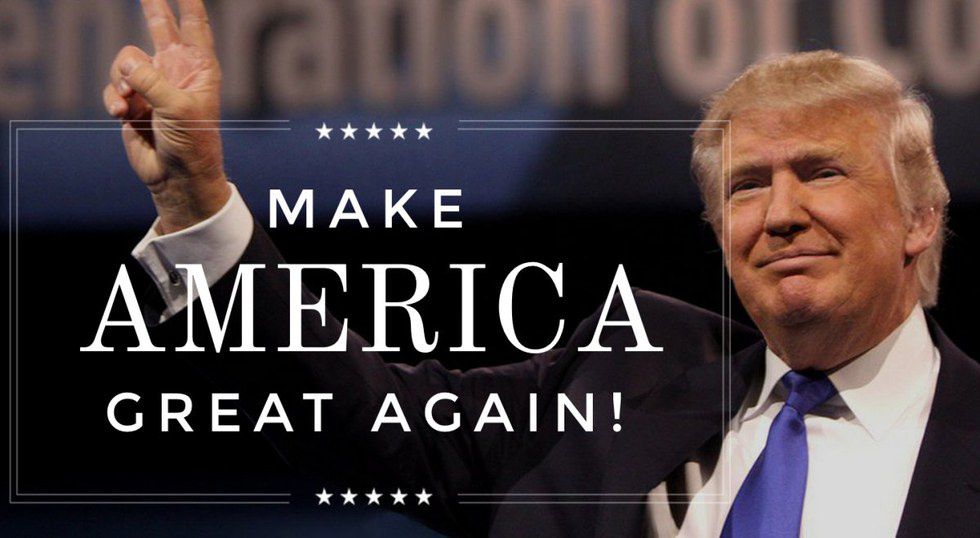
Now we get to the juicy question- the Trump question. There are some of you reading to ask me if I believe Donald Trump will win the primaries: in my personal opinion, not necessarily shared with anyone else on the Odyssey or elsewhere, is that since it is proven that voter turnout is lower in the primaries than it is in the general election, and voter demographics are not necessarily the same as the demographic of Trump supporters, I find it highly unlikely that Trump will be the Republican nominee for the fight for the White House.
My personal prediction is that the race will be Clinton vs. Rubio, but let's wait and see what happens!
This is a simplified version of how the primaries work, but if you'd like to learn more, another guide is here (The Monkey Cage is one of the best political blogs out there, written by experts for the Washington Post), more background is here, and the links throughout give even more information! Happy voting!