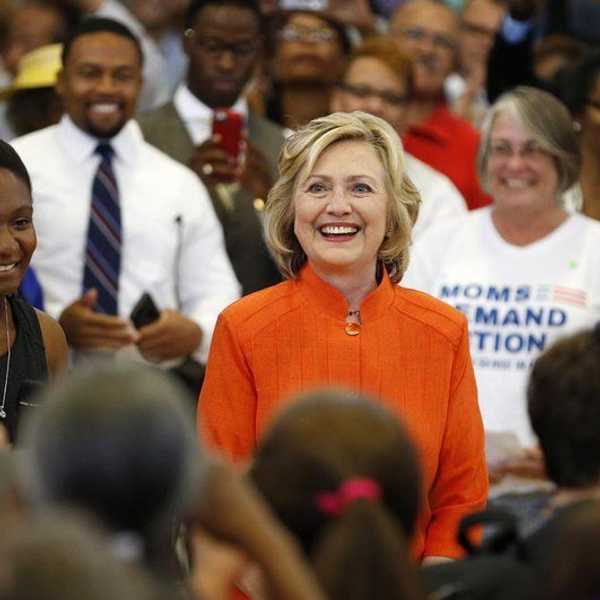
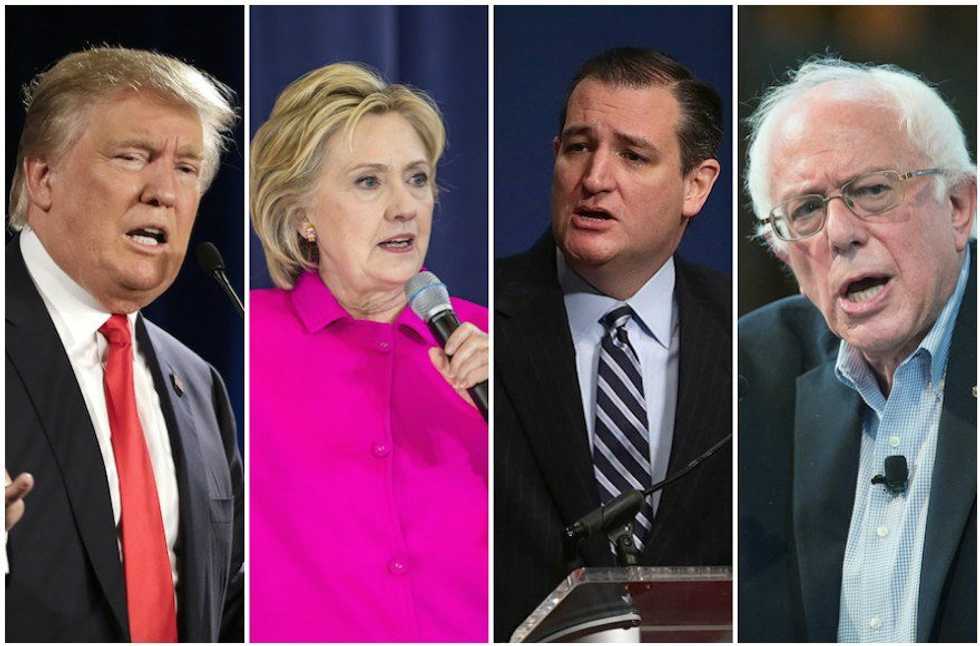
We have just made it past the day in the presidential nomination race called Super Tuesday, the day when 12 states and the American Samoa hold caucuses or primaries. Super Tuesday saw Hillary Clinton winning seven of the 12 states and Bernie Sanders nabbing four of the states, while on the Republican side Donald Trump took seven of 12 states, Ted Cruz secured three states, and Marco Rubio won his first state.
To earn the Republican nomination, a candidate needs support from 1,777 delegates at the GOP National Convention, and a Democrat will need 3,323 at the Democratic National Convention. In some states, winning the state earns you the support of all of their delegates, a “winner takes all” system, but in some states, it does not, and the potential candidate gets a proportional delegate support according to the percent of the support they won from the state. After Super Tuesday, the Republican standings are Trump at 319 out of 1,777 delegates, Cruz at 226, Rubio at 110, John Kasich at 25, and Ben Carson at eight. The Democratic standings are Clinton at 1034 and Sanders at 408. This means that Trump and Clinton are well on their way to their respective party’s nomination.
So, What Now?
At this point in the race, we have 36 states left for Democrats and 33 states for the Republicans that still have to hold caucuses or primaries. This means that there are about 2937 Democratic delegates and around 1537 Republican delegates up in the air. Then, at each of the National Conventions, the candidate will be announced. Currently, Trump and Clinton are favored to win, as both have the majority of their party's delegates so far and both won the most states on Super Tuesday.
Is it Possible to Stop Either Trump or Clinton?
Is it possible? Yes. Is it likely? No. Clinton would be, in theory, harder to stop than Trump, as she is closer to the delegate number needed to win the party’s nomination. However, stopping Trump is complicated by the number of Republican candidates, which spreads the support of the Republican Party, otherwise known as the GOP, and makes it hard to rally around one candidate.
To get rid of Trump, we need to rally the GOP around one specific candidate. The large amount of candidates still in the race is splitting the Republican Party further apart than ever. All of the Big Three GOP candidates, Trump, Cruz and Rubio, say that one of their primary goals is to “unify the GOP again.” If all of the candidates really believe this, then they should be doing their utmost best for the GOP, which, unfortunately for them, could mean pulling out of this race or letting the GOP publicly support another candidate.
The most likely candidate to center around would be Cruz. Cruz is the candidate with the next highest amount of delegates supporting him and states won. It’s easy to discount both Kasich and Carson at this point, as neither have won a single state, and Kasich’s only hope is Ohio, the state where he is governor. With them still in the race, they continue to take support away from Cruz and Rubio, keeping Trump in a good position to continue winning. Them dropping would also help, because when a candidate drops out, the delegates that were supposed to support that candidate at convention can be folded into the candidate that is endorsed by the candidate who dropped out. If no candidate drops out, Trump will most probably keep sweeping states and will be assured the GOP nomination. Don’t lose hope, though. Why? Well, because Trump has something in common with Al Gore, in that both swept South Carolina, winning every delegate for their respective parties. Something else Trump could have in common with Al Gore is sweeping the primaries and losing the election...
For Sanders to win, what has to happen is his “silent majority” must rise up. For most Democrats, there is a distrust of Clinton, but also a non-readiness to accept the borderline socialist society Sanders advocates. It would be almost impossible for Sanders to gain the nomination at this point, with Clinton’s large lead in delegate support. However, it is not impossible, and according to The Washington Post, Sanders’ campaign has mapped out a plan that could put Sanders in the lead. Sanders will be relying on industrial Midwest states and delegate-heavy states like New York and California. Even if Sanders does lose the nomination and is not America’s next president, he will have won in that he has shown the United States what the future of the Democratic Party will look like as he continues to carry much of the traction with young adults. Sanders’ biggest hurdle is getting young people, who have a typically low voter turn out, to caucus and vote for him.
Final Thoughts
The problem with our system today is that all the candidates argue for unification, but only really want the people to be unified behind themselves.