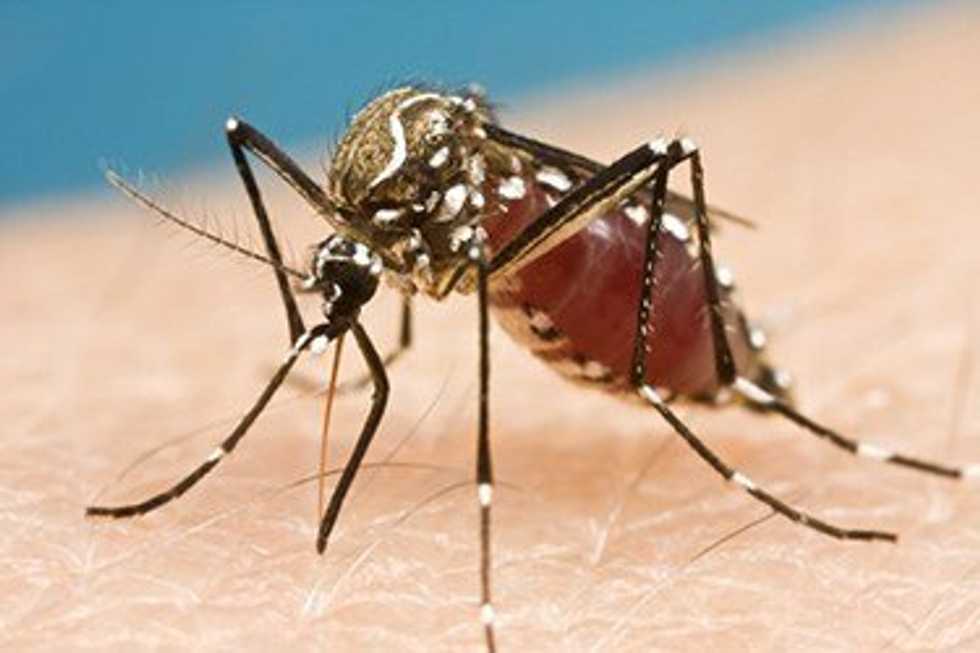
Should I be worried about Zika coming to America? Will it spread a lot? Should I educate myself on how to prevent it? These are the questions that are swarming Americans' minds as more and more cases of this Aedes mosquito spread disease makes its way to the United States. As temperatures warm up and travelers are coming back to America from tropical places, more and more cases of Zika are being spread. Since the United States doesn't have the typical hot conditions of Africa and South America where Zika is most prominent, we do not have to worry as much as other places around the world, but, of course, we should still take notes.

Where did Zika come from?
Zika was discovered in 1947 in the Zika Forest of Uganda, but the first actual case detected in a human was found in 1952. Zika was then found in other tropical places in the world including Asia, Africa and different Pacific Islands.
Where is the risk the highest in the U.S.?
Florida, Louisiana and other states along the Gulf are most at risk. Zika first spread to American territory, Puerto Rico, which is only about 1,200 miles from Florida. As the south east of the U.S. gets hotter and hotter, the risk of Zika rises higher and higher because of how easily these infected mosquitos can travel from Puerto Rico to the south east mainland.
Who will the virus affect the most?
Typically, the Zika virus's effects are actually quite mild. The average human affected by it may suffer from rash, fever, red eyes, joint pain and some may not notice any symptoms at all. Pregnant women are most at risk, though, since the disease can cause life-altering birth defects including hearing loss, eye defects and stunted growth.
How can I prevent the Zika virus?
Unfortunately, there is no vaccine for the Zika virus. President Barack Obama is currently pushing to invest $1.9 billion in emergency research funding. Scientists are hoping to have a vaccine by this September, but the more time without proper and quick funding, the more time it will be before a vaccine is made. Some ways, though, to prevent the getting bitten by mosquitos on your own would be by using insect repellents, screening in porches, and avoid leaving open water (since that is where mosquitos like to breed). Zika can also be spread sexually. Though it is rare, and there is only one sexually spread case in the United States currently, it is important to be aware if your partner could potentially be infected.
It's important to be extra wary of mosquitos this summer. Stay safe, and make sure to carry that bug spray around!