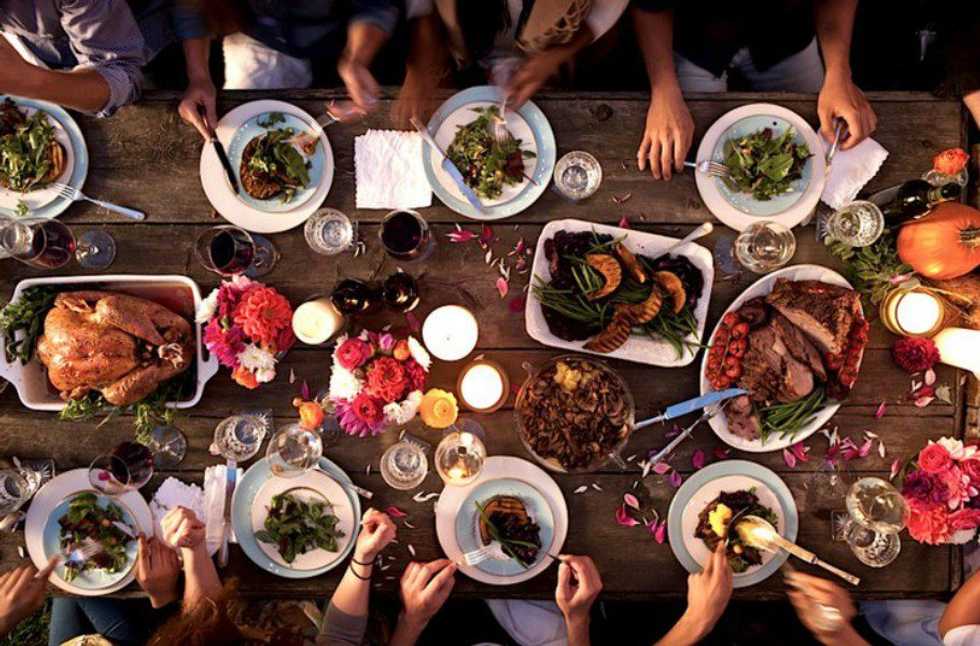
This Thanksgiving, as with every Thanksgiving, we as American’s have a lot of things to be thankful for. Perhaps you don’t feel that way as you prepare to spend Thanksgiving amongst your family, who may or may not share your political and social views—because let’s face it, those things always seem to work their way into holiday conversation, and when they’re as controversial and opinionated as they are this year, it’s easy to feel jilted in your graciousness.
Following the presidential election, a large percentage of American’s have been left to wonder if they really have any reason to be optimistic or thankful about being American. It seems to them that so many of the reasons to have pride in this country—freedom from persecution, acceptance and love for one another, and open arms to those in need—have been undermined by the rhetoric of racism, intolerance, and hate that surrounded this election cycle and were seemingly vindicated with the results.
In order to begin to mend the huge chasm that this election cycle has torn in our country—and ensure that we can all enjoy our turkey and cranberry sauce without someone getting disowned—we need to acknowledge the varying viewpoints of Americans from all sides of the discussion. Because of the nature of this election, we first need to recognize the marginalized groups of people who are currently asking themselves what they have to be grateful for as they wake up every day afraid of what might happen to themselves, to their families, to their friends, and to policy in this country.
At a recent church service, I attended, the pastor read a pastoral letter addressing the election, and in his letter he spoke of the fear that many Americans were feeling—the justifiable fear. The first step we must take in reconciling with one another in order to avoid a brawl at the Thanksgiving table or in the streets of our country is to recognize this fear for what it is: real. The biggest mistake we can make right now is to trivialize the experiences of others simply because we do not understand them. We cannot begin to say that we understand what other groups of people are experiencing, and we cannot judge whether they have the right to be afraid right now; only they can make that decision, and if they do feel afraid, then it is our job to empathize with them.
We must also recognize those among us who aligned themselves—however intentionally or not—with the very rhetoric that has brought fear to our marginalized brothers and sisters. Friends and family among us, most of whom are kind and generous people with no intention of threatening anyone, have, in many cases, been falsely lumped in with hateful and violent extremist. It goes without saying that making assumptions about any one group of people is wrong, and this includes Trump supporter, who also deserve our respect, empathy, and our listening ear, We could all do well to ask each other why we voted the way we did, and to actually listen openly, and be open ourselves to developing our beliefs and opinions, rather than strictly being concerned with defending them.
Finally, regardless of whether we are jubilant or depressed, we can be thankful for the opportunities this election has afforded, the issues it has pushed to the forefront of our society, and the conversations it has started. Many people have found their voices as activists for marginalized groups and, while a great divide is forming between—in some cases—families, friends, and communities, we are also coming to find supportive people who share our values and are forming our own communities.
I hope that we can learn to respect those who hold different values than we do, just as I hope that they may learn to respect us, and we can all find that, even when we disagree, it is still possible to coexist and get along. Let us be thankful for a divide in politics, society, and opinion right now—after all, being angry and frustrated will get us no where—in the hopes that it will bring us close to our true families and closer together.