

So here's where you're at with your food budget: you’re poor—perhaps a college student or a person working minimum wage, multiple jobs, maybe you’re disabled or receiving benefits. Whatever your personal situation is, your income is low and you need to eat. You may have read “guides” that tell you how to “eat on a budget! eat cheap! eat healthy!” but the reality is that the people who write those “guides” are overestimating the two most important things: time and money. When you’re poor, you don’t have a lot of time to be preparing meals—on average, you have maybe a half hour, and you don’t have many resources either. I’m going to share with you the tips I’ve learned from eating on a budget and working a day job at the same time.
1. Have a few recipes on hand that you can prepare easily.
These meals don’t have to be gourmet, just something you like to eat that’s simple to prepare. I swear by my 30-year-old, 6 quart Crock-Pot I inherited from my mom. You can find a new one at Walmart for as low as $15, or visit thrift stores, making sure to check for quality. I regularly use one large skillet, one medium-size saucepan, one big pot, a skillet, and a wooden spoon as my cooking utensils, and those are the bare essentials.For me, “easy and quick meals” means tacos, pasta and meat sauce, bean soup in the CrockPot, a roast (when on sale), breakfast for dinner, beans and rice, fish sticks, homemade pizza, and a chicken bake dish. I like to have the ingredients for two or three meals outside of my meal plan in the house at all times, because life happens and we still have to eat.
2. Calculate the cost of recipes, or find recipes that do it for you.
This site, Budget Bytes, is a lifesaver. The woman who runs it, Beth, prices out each individual ingredient and then gives a total for the meal, specifically catering to people eating on a budget. She even did a SNAP challenge where she made nutritious meals (and posted recipes!) for 4.50 per day per person. Bonus: BudgetBytes has a lot of one-pot-pasta and slow cooker recipes, both of which are the busy worker’s best friend!
3. Make sure your recipes are easily accessible.
I keep mine in a folder on my computer, but my mom uses a small yellow box full of alphabetized note-cards. Other options include binders with loose-leaf paper, notebooks, or marked in your favorite cookbook. Having the recipes I use accessible cuts down on time I spend on the internet looking for recipes or paging through a cookbook. Here are some good starter recipes for under $1/serving.
4. Have a meal plan.
Knowing what you’re going to eat makes grocery shopping easier. Meal planning will also help with dietary requirements: people who are vegetarian, vegan, gluten-free, dairy-free, or have other dietary requirements find it helpful to meal plan. Rather than just plucking things off shelves and hoping it’ll make your budget (like I used to do!), you’ll know exactly what you need and have a very good idea of what those things will cost. Again, some flexibility is probably good, but it’s very helpful to know. This website, from MyFitnessPal, does a good job of explaining meal planning.
5. Check your local options.
I know not everybody has the time and money to do this, and that’s okay, but if you do, maybe consider checking out local farmer’s markets. If you’ve got the time, invite a couple friends and compare prices with your local grocery store. Fruits and vegetables will often be cheaper in their peak season at a farmer’s market than at a grocery store. Unfortunately, though, not everyone is privileged enough to have access to a farmer’s market.
6. Look for bargains and coupons.
This is where your meal plan might become more flexible. If you planned to make pasta with sauce, but chicken is on sale, you might choose to buy the chicken and make a chicken dish instead. You might get flyers in the mail with manufacturer's coupons—use them! Using coupons can knock a critical few dollars off your grocery purchase or allow you to spend that money on something else.
Coupons are like free money, if you believe that a penny saved is a penny earned.
7. While in the grocery store, pay attention to your list.
You've done your research and written your meal plan, now follow it in order to stick to your budget. Sometimes this isn't possible, but most of the time, you will spend the amount you planned to spend and get exactly what you need. Remember, grocery stores have one goal: to sell you as much product as possible, even if you don't need it. If you only buy what you need, you won't have as much wasted food (which is basically just wasted money), and you'll still have enough to satisfy you.
8. Try to cook things in one bowl/pot/pan.
I. Hate. Cleanup. I hate doing dishes, and I hate it even more when I’m tired from a long day of work. The only thing I hate more than cleanup is doing it after food has dried and become glued to the dishes. The fewer dishes I have to clean, the happier I am. Besides, if you're cramped for money and time, you probably aren't living in a place with a huge kitchen either, so counter and stove space is at a premium. BudgetBytes (I love this site!) has a handful of one-pot recipes.
9. Measure out portions, and figure out how much food actually satisfies you.
For some people, this is half a portion, for others, it might be two. It all depends on what a “portion” is. Portioning helps ration food so that you don’t cook too much or too little—while leftovers can be a good thing, too many leftovers will rot and go to waste in the fridge.
10. Take advantage of leftovers!
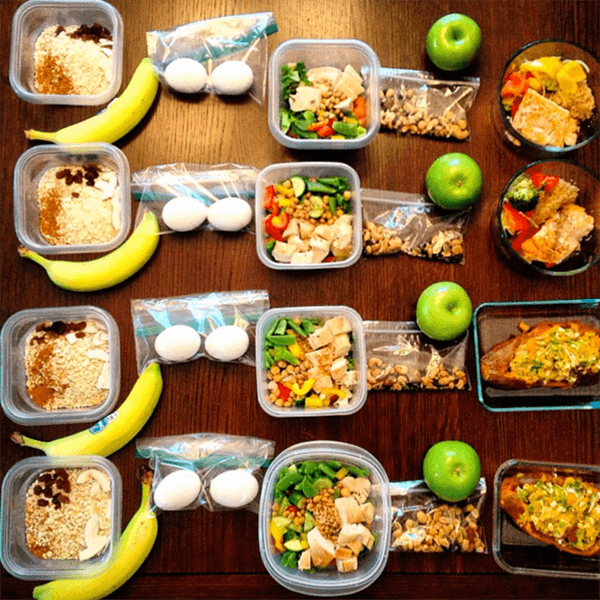
If you’re cooking for one or two (or intentionally cook extra), you can make a meal last multiple days. Assuming you have access to a fridge, you can simply seal leftovers into containers (Ziplock baggies even work for this) in order to have a no-mess, no-fuss reheat for tomorrow’s dinner.
11. Cook meals in advance.
If you have a day off or a convenient time that you’re willing to prepare a few meals, doing so and freezing them will take stress off you another day. Freezing leftovers is another alternative.
These steps are good starting places to build your own personalized meal plan based on the realities of your budget. Everyone's situation is different, but everyone deserves access to nutritious food that they can afford.