
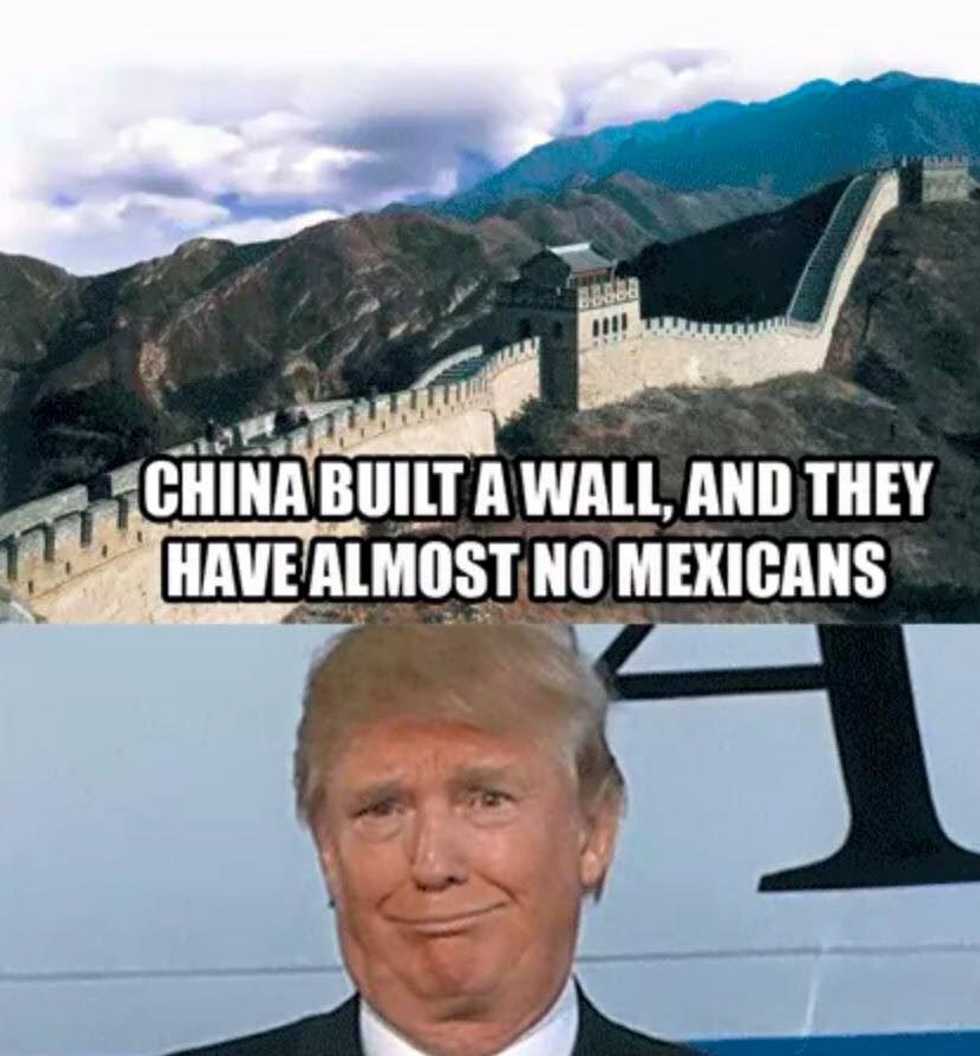
Unfriend, unfollow, scroll past, comment, like. Here's a list of reactions that may occur to you as you scroll through your feed and see a myriad of political posts, posts ranging from memes of Donald Trump’s face photoshopped as Roz from "Monsters Inc." to a meme of Bernie Sanders claiming he is a communist to a post claiming that Ted Cruz is the alleged Zodiac Killer that found the elixir of life.
These political posts are examples of why I do not think social media is the best, most effective place for politics. There are several other reasons why I think politics should not be on social media, but not because I think it's a bad move by the candidates to reach a broader audience. It’s because social media doesn’t foster an environment for in-depth and well-researched conversations.
Here’s why:
People have the advantage of hiding behind a screen.
On sites like Facebook and Twitter, there isn't a complete sense of anonymity. However, there is freedom to say anything because users are protected by their screens — and the First Amendment. They can say whatever they want without fear of seeing the other person’s reactions or being punched in the face for some obscene comment.
Some may say that this sense of protection could cause some good conversation. I agree. Those who have valid and researched points to back up their opinion in politics will often post something thought-provoking. They may even respect the opinions of their fellow social media friends. However, there are people who only have an opinion based off their initial thoughts and reactions to vague and sketchy posts on social media. So they spew nonsense into the comment box, and when someone plays devil’s advocate, the poster becomes both defensive and offensive.
I’m always up for a political debate, but talking to someone without any background knowledge in their opinion is unproductive and a waste of my time.
Social media is fast-paced and has a lack of factual content.
If you happen to follow local and national news on your social media, then this may not apply to you. Social media can be a great outlet for networking information. You can follow or like multiple news sources and have a well rounded understanding of your area of politics.
However, when someone goes onto Facebook or Twitter, they are usually looking to pass time or take a break from work. Scroll through recipe videos, memes, social advocacy videos, talk to friends, stalk others’ profiles. It’s only the rare friend you find on social media who spends the time to write the posts the size of a novella with a credible video or article. And do we read the whole thing? No.
The majority of the posts people react to on social media aren't usually thought out or credible but are instead generalized, which could veer on the comedic or the highly stereotypical and offensive side. The comments that follow these often generate someone trying educate the person who posted the original post, and then a bunch of people saying either we're too sensitive in today’s society or not sensitive enough.
Social media can be a place to network, to learn, to entertain and to share. It has allowed for long distance relationships, business partnerships and family members to stay in touch. However, when it comes to something as controversial and sensitive as politics, social media is not the best medium for developing an opinion or starting a debate.
















