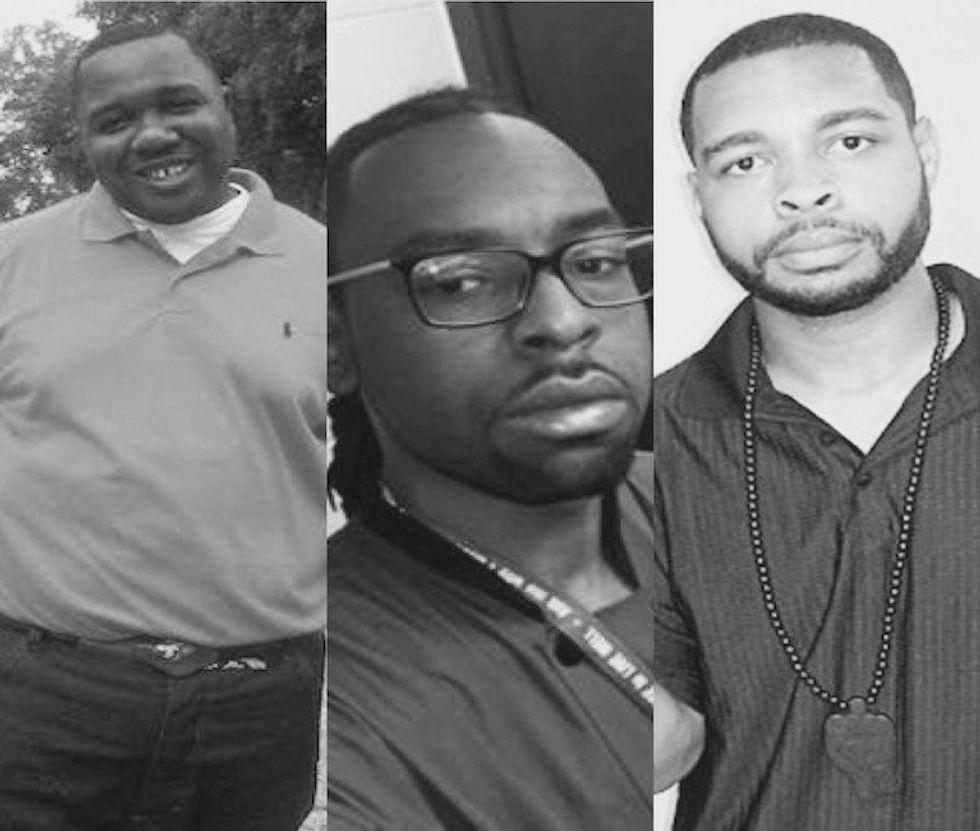
This past week will live in infamy due to the senseless and seemingly day-to-day violence that ensued, but it has motivated people to step forward and productively discuss racism and police brutality. Alton Sterling was the first police brutality casualty that made national news after he was shot six times in the chest and back after a homeless man reported that he was carrying a firearm. Philando Castille was the second of this past week's police brutality victims after he was fatally shot when an officer stopped him for a traffic violation. Both of these victims' deaths were recorded and then uploaded to social media, and the outrage they sparked was unprecedented. Multiple peaceful protests were then organized internationally to denounce police brutality, but one of these marches ended in calamity when Micah Xavier Johnson opened fire on police officers in Dallas, Texas this past Thursday evening.
When Johnson began to fire bullets at surprised police officers, civilian witnesses and policemen alike assumed that there was more than one shooter firing a tirade of bullets. In the midst of fleeing protestors it eventually became shockingly clear that Johnson was trained to shoot, because he wasn't firing haphazardly and indiscriminately like other shooters; he had one target in mind: policemen. While Johnson and the police exchanged bullets behind cover, Johnson revealed that he wasn't associated with terrorists and that he planned this alone. His motivation to kill five officers and injure seven others stemmed from all of the violence that African Americans had been subjected to at the hands of the police. After he was killed by a detonation set off by the police, multiple news reports stated that his attack was the "deadliest incident for law enforcement in the United States since 9/11."
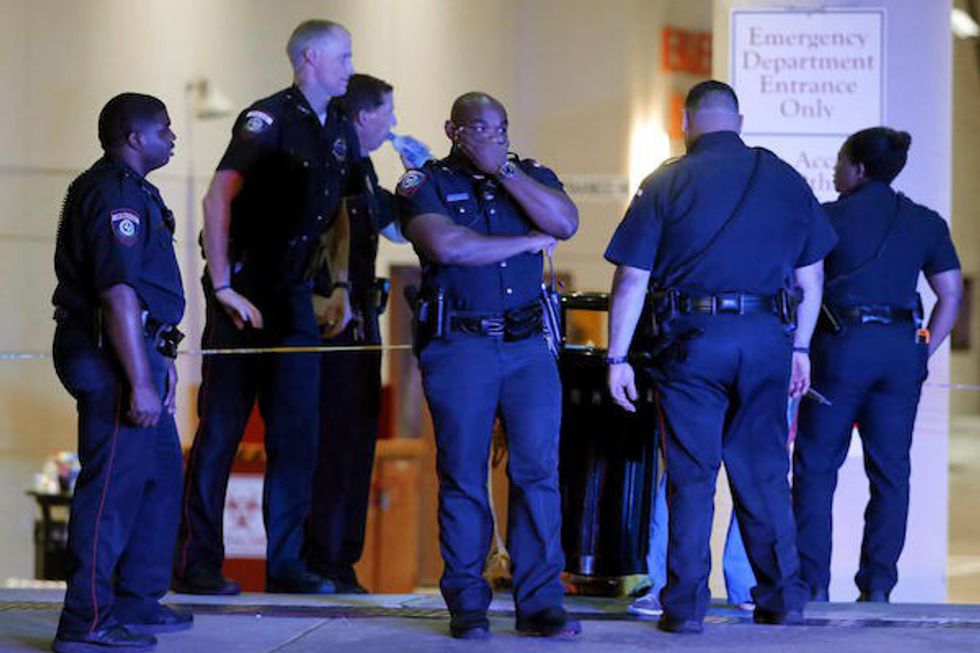
(Photo Credit to LATimes.com)
Sterling and Castille's respective murders rallied old and new supporters to the Black Lives Matter movement, but Johnson's brutal retaliation against policemen has left everyone speechless. Sterling and Castille's deaths were both recorded and publicized in an attempt to humanize their cases and combat racism in the United States. However, Johnson's misguided retribution has only managed to damage and threaten all of the progress Black Lives Matter has achieved since it was first started. People are now referring to his attacks as an example of how organized groups like are just as likely to instigate violence as they are to create change. Speaking against Black Lives Matter will silence thousands of supporters and victims, but is silence truly necessary to protect an incredibly harmful status quo?
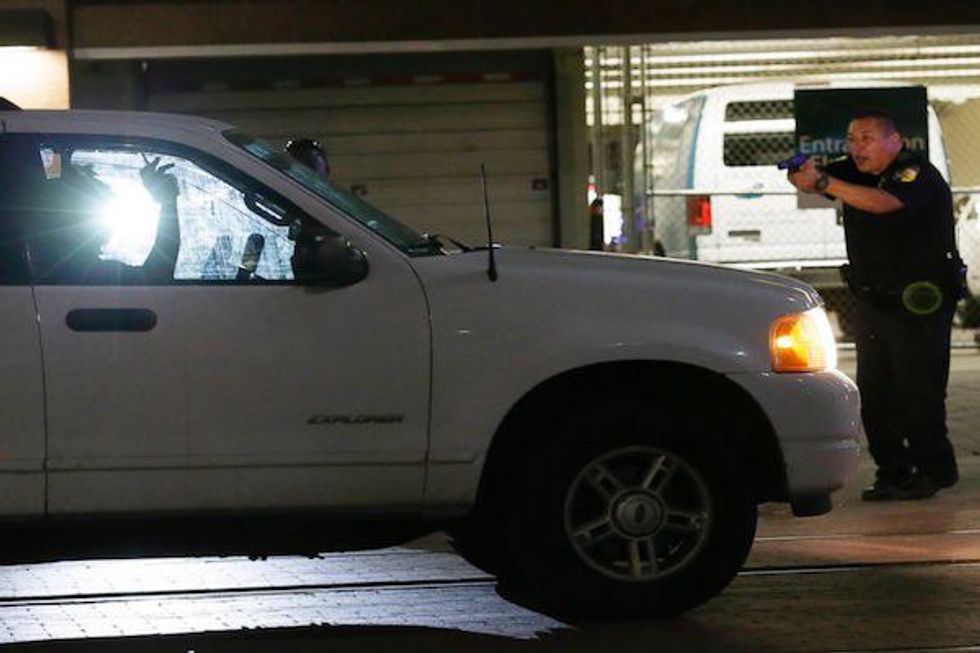
(Photo Credit to ABCNews)
Marginalized minority groups have always been victims of police brutality in the United States, and groups like Black Lives Matter are necessary to peacefully change the abuse authorities use to maintain "peace" in their respective precincts. Johnson's planned attack shouldn't discourage people from organizing marches and protests, because he was a radical proponent. Most people, if not everyone, who support Black Lives Matter seek to encourage peaceful interactions between civilians and law enforcement, so Johnson's single case shouldn't be used as evidence to criminalize Black Lives Matter and their supporters. After all, most people who support change understand that the enemy, if there is one, isn't the police. The true enemy, challenger, or opponent of equality is, and always will be, racism.
Change is absolutely necessary in the United States, because institutionalized racism has gone on for far too long. I, for one, am tired of logging onto Facebook or opening my homepage to see that another person fell victim to police brutality. Policemen are supposed to protect us, but I've begun to develop a fear of these so-called "protectors" in navy uniforms, and I know I'm not alone.