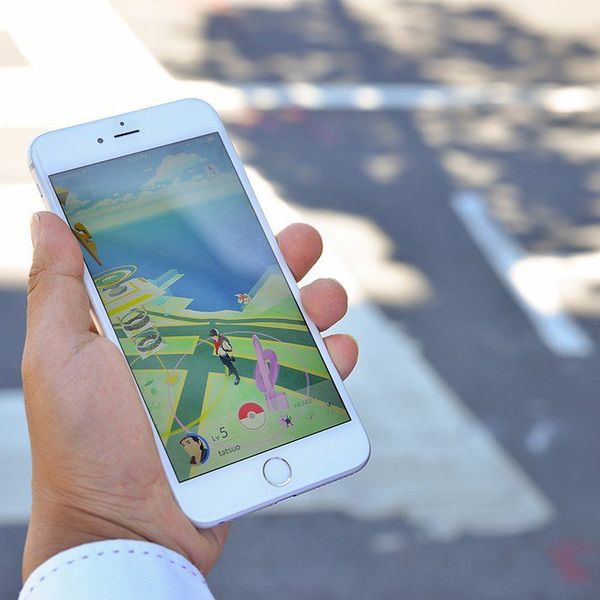

Many of us geeks know that Pokémon Go, the augmented-reality app that allows users to capture, battle, train and trade Pokémon in the actual world, was released last week. And the inner child in all of us rejoiced. This new mobile app is a modern take on the classic game our generation grew up with. The cool aspect that this app offers is how users can walk around and literally find Pokémon at school, where they work, walking in the park or anywhere else.
Most of us will probably be seen stopping traffic to catch the Charmander in the middle of the road, because obviously, and getting up and walking more to play the game. With a technology-attached generation, this app has changed how we spend our free time.
There are many stories out there about how Pokémon Go is changing the world just in the few days it’s been released. Here are some of the highlights:
In Wyoming a young girl was searching for water Pokémon, and just feet from the shore saw a dead body in the river near her home.
Another Pokémon Go user hooked up a drone to his phone so that he could scan his neighborhood and cover more ground. Now, I think that’s cheating.
A Reddit user shared a story about how they have a lot of social anxiety and don’t get out and socialize too often, but now has a date because of Pokémon Go. The app seems to help people get out of the house if they know there are Pokémon just waiting to be caught nearby.
Another user took a video of everyone around his neighborhood playing. Nearly everyone he asks is actually playing the game.
Upon the release of Pokémon Go, Nintendo’s stock increased by 8.84%. But the app’s release is also helping businesses on the local level too. Because Pokémon Go is so popular worldwide, businesses are enticing customers based on what their geolocation within the app may offer them.


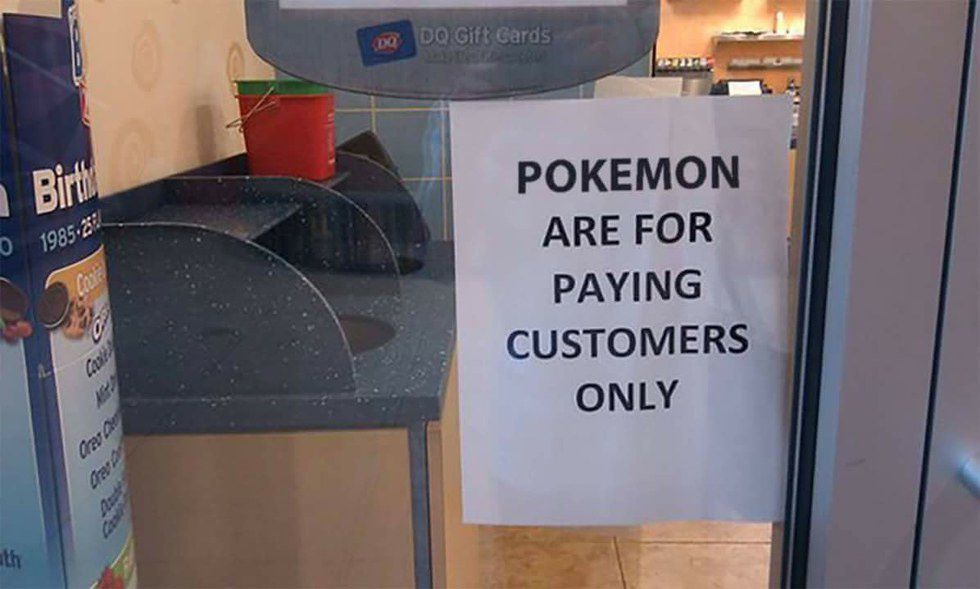
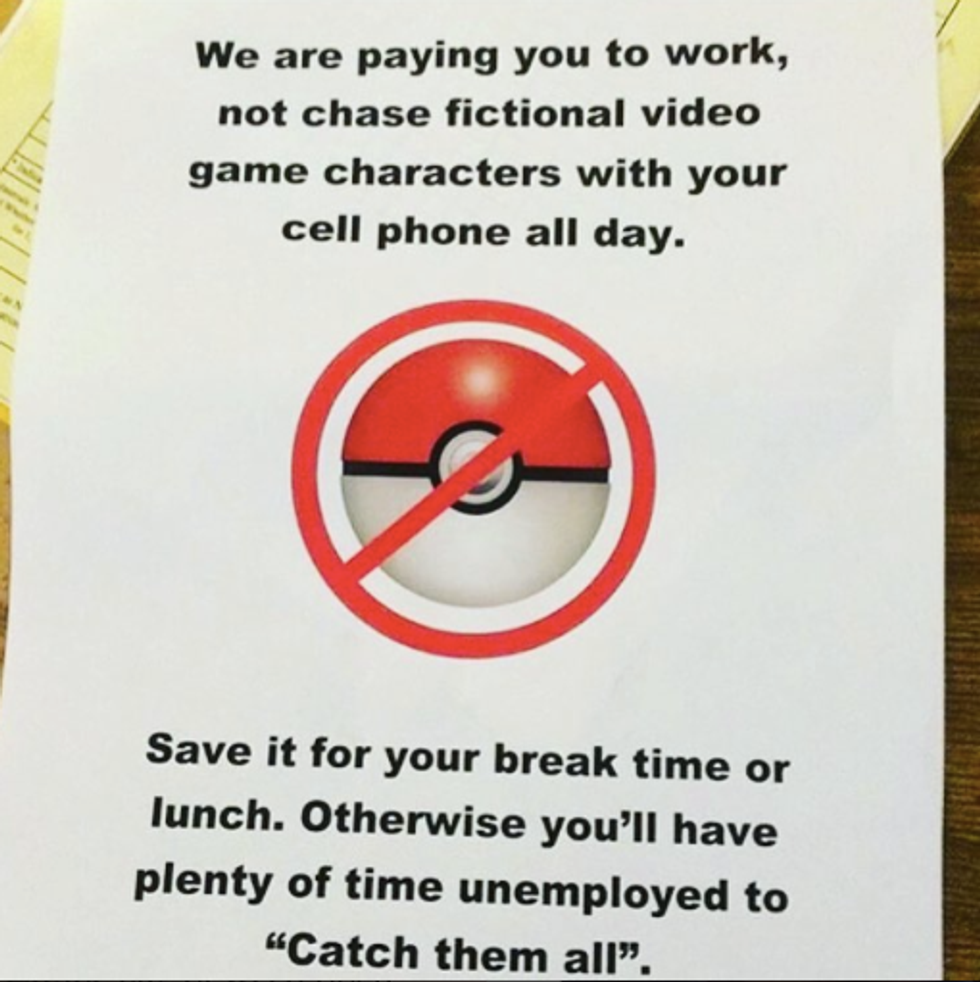
For instance, some historical sites or monuments and parks are represented to be gyms where Pokémon can battle within the game. Busy towns and streets may offer a lot more Pokémon to catch. However, with the emergence of app users, a lot of businesses may be seeing more people coming into their stores or restaurants just to catch Pokémon and not to be actual customers. The same goes for employees who are too busy catching the Sparrow next to their desk to do their actual job.
While this virtual game has helped us nerds get outside and exercise, it has also caused some actual real-life injury. With our eyes glued to smart phone screens, users could twist an ankle or walk into trees. These are harmless side effects that news outlets have reported on even though they don’t compare to the positive benefits of playing.
People have called this a throwback to the old Pokémon. With a generation of smart phone users who want to spend more time glued to technology than outside exercising, this game has also shown to be helpful in getting our generation up and moving. Just like the old game, users can battle—through smartphones—face to face with friends. It encourages people to visit historical sites that may be incorporated as Pokéstops that offer more Pokéballs, but users can read digital descriptions about the sites they’re visiting too. People are now walking the long way to work in case there are more Pokémon waiting to be caught along the way. And another catch, users can’t hatch digital eggs by driving, hatching Pokémon must be earned by walking a certain number of miles.
I think the change Pokémon Go has sparked is very beneficial to us in an age of smartphones, and while it's super addicting to play, I think it's changing the way our generation interacts both with Pokémon and with people.