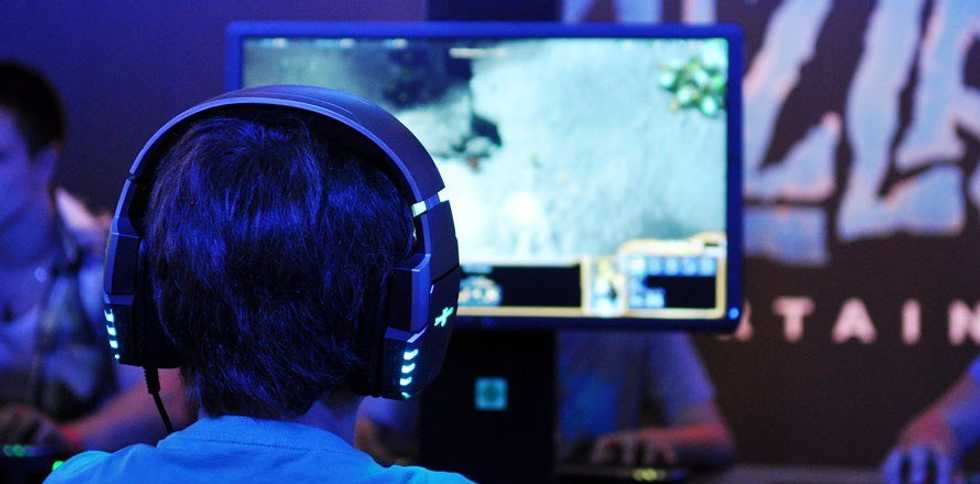
According to Jane McGonical in a TED Talk in 2010, we aren't playing nearly enough online video games, despite the fact that, in that year, we collectively spent 3 billion weekly hours playing online games, such as World of Warcraft and League of Legends. Her theory is that online games make us more inspired to achieve our goals in real life, they hone our problem-solving skills and make us more prepared to tackle problems in the real world as we get accustomed to achieving more in the game world. However, you don't need to be a game designer to know that playing video games do, in fact, prepare you for real-life situations.
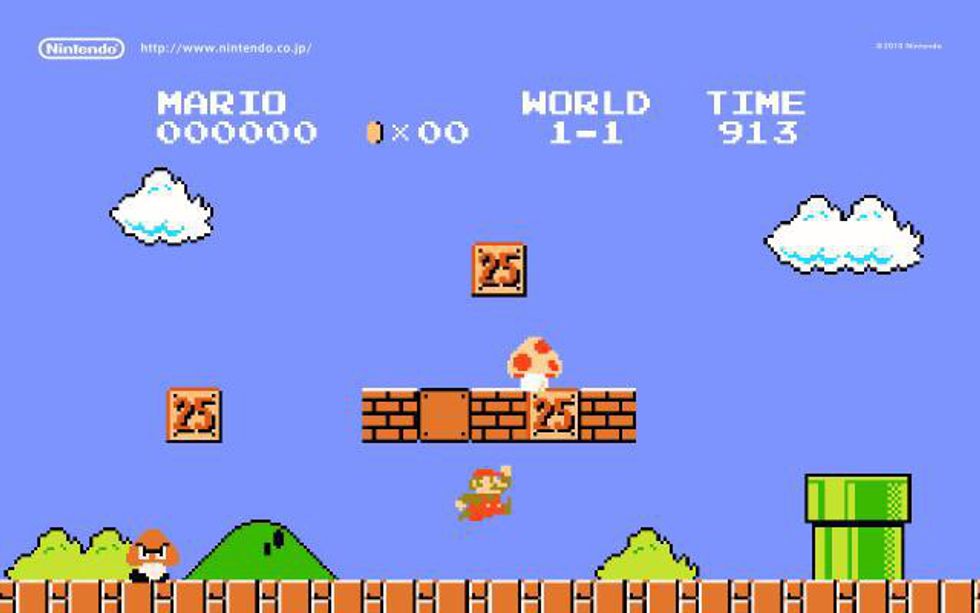
I know for a fact that most of my critical thinking and problem solving skills exist purely because of video games that I played during my childhood and continue to play to this day. If it wasn't for the impossible quests on The Legend of Zelda or having to devise a strategy to win at Mario Kart I wouldn't be as sharp on finding alternative solutions to my problems the way I do now. Despite being the focus of many studies on violent behavior and blamed for instilling in teenagers what most parents would consider a bad habit, video games actually enhance your motor skills, visual abilities and can stimulate brain growth. When playing video games, we create a “real sense of optimism in our abilities and our opportunities to get better and succeed, and more physical and mental energy to engage with difficult problems, which is actually the physiological and psychological state of game play” McGonigal explains.

The idea of the "epic win" being translated into the real world, as suggested by McGonical, means that, after continuous achievements and surpassing challenges within games, the gamers become subconsciously more interested in doing the same in real-life. Basically, constantly winning in a game and achieving epic wins, or winning a challenge you have built up to, ends up encouraging you to do that with your own problems, progressively getting better and "leveling up". The feeling an accomplished gamers get when they complete a challenge or solve a puzzle makes them more keen to seek these results when completing challenges in their real lives.
The issue, however, is that although there are benefits to gaming, a whole slew of negative problems can also arise if it becomes an addiction. Yet, if practiced at a moderate and balanced rate, playing Call of Duty is just as good for you as playing Sudoku, albeit with more blood and guns. Gaming makes you interested in engaging in creative solutions and challenges, which not only enhance skills that can be applied in a work-place environments, but also aid in building social skills. Of course, if you do spend all day inside and playing games by yourself and don't apply any of those skills from games into reality, you won't get the neurological and psychological benefits that come from the hobby.