Most students leave college graduating with a little debt. Normal, right? At what point do we allow the sheer fact that the average University of Pittsburgh student graduates with about $30,000 in debt become okay?
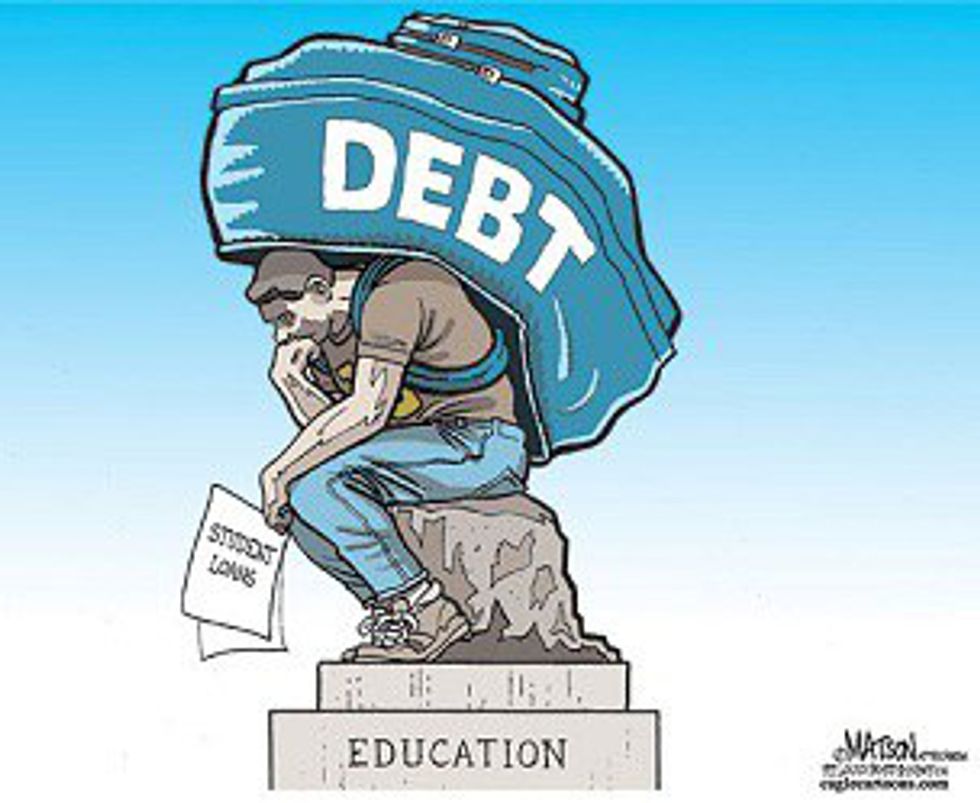
A 2013 report by the Project on Student Debt found that 71 percent of 2013 Pennsylvania college graduates carried debt averaging $32,528. That is about $4,000 more than the nationwide average of $28,400.
Why is it normal to have to work one or two part-time jobs to support yourself through school? With internships being unpaid, students balance coursework, part-time jobs, and supplementary responsibilities that are extracurricular or career-related. Physical health is left aside (are two absences from class enough?). Let alone mental health -- serious issues such as stress, anxiety and depression become commonplace. What ever happened to the university being a place where you could find yourself? The only states we seem to occupy are financially struggling or competing for jobs.
The reality of student debt affects university students in the US in ways that are unique compared to other countries, who provide students free or affordable routes to college. Community colleges, by far, offer the most economic route to earning an education. In a recent article by The New York Times titled "Homeless, Hungry and In College," even "affordable colleges" can cost students up to $8,000 out of pocket. The economy pretty much mandates people earn degrees, since the minimum wage is not a living wage -- and yet, there are sparse options to even earn a degree without racking up student loans.
On the flip side, problems with student debt affect people earning degrees for highly competitive jobs. The average medical student aspiring to be a doctor faces loans of $254,000 (even before entering residency programs). Besides the obvious financial implications this has, there are subtle problems that affect individuals. What if you want to switch degrees, need to help your family (or have a family) or get injured? Leaving school before goals are reached means facing the repercussions. Incentives are in place that keep students set on highly competitive paths. How does this effect those who turned to arts or humanities-related fields, such as academia? More schooling doesn't necessarily mean more opportunity.
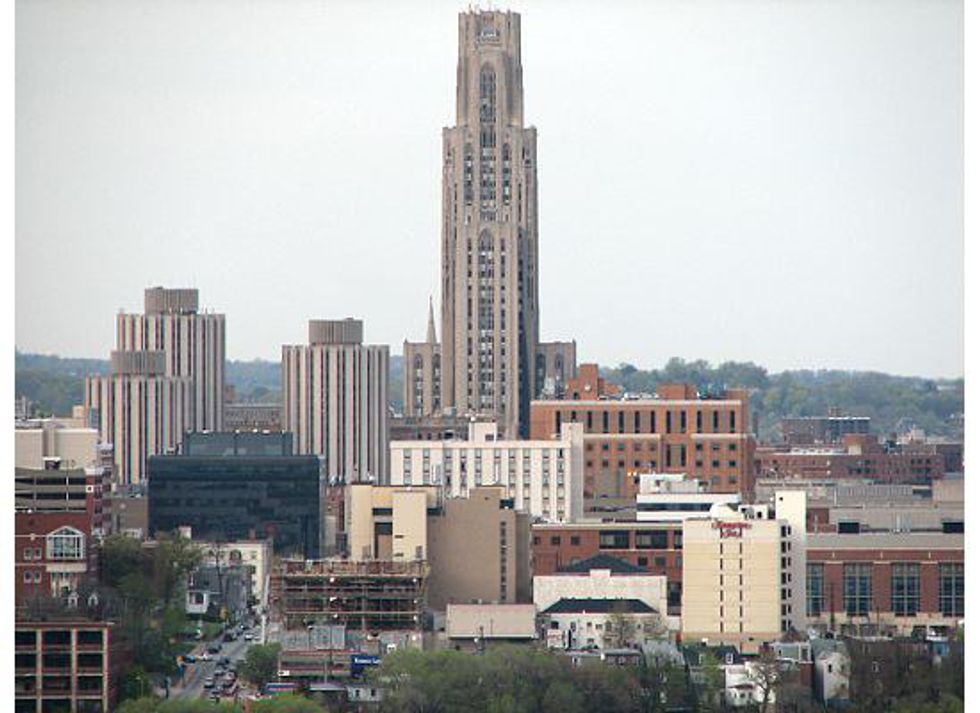
How does a school like Pitt fit into this picture? It's a pretty average state school, right? Well, not exactly.
The University of Pittsburgh is a state-related university. And because of this, it can bypass certain regulations that official state schools abide to. Like tuition freezes. When Governor Tom Wolfe passed a new state budget plan mandating schools freeze the amount of tuition charged, schools like Pitt, Penn State, Temple and Lincoln don't always qualify for this education plan. Pitt's tuition went up $420 this summer.
In fact, Pitt is the most expensive public school in the country. It charges tuition prices of $18,192 for in-state students and $28,958 for out-of-state. Penn State University follows as a close second, costing $17,502 in-state and $30,452 for non-PA residences. And in the last 30 years, our tuition has increased 120 percent. Another thing to consider are the neat little raises the school's administration also received this year. By little, I mean 3.9-7 percent for head admin earning well over six figures.
What's interesting is not the fact of these astronomical figures itself. What is our money going towards?
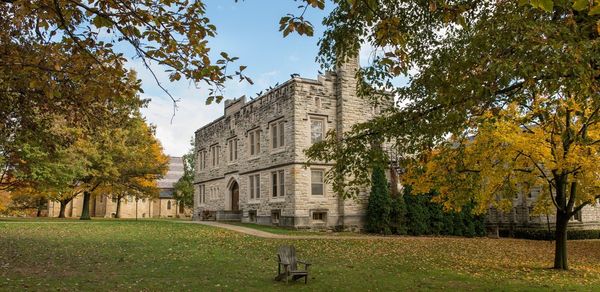
Fancy dormitories like Nordenberg Hall cost a grand $59 million. Dorm rooms decked out with flat-screen televisions in every single room are clearly necessary for students, right? Well, these facilities exist for freshman, and resemble a glamorous marketing strategy attracting incoming applicants. How do such investments like these help the students already enrolled in the university's programs? Universities compete locally and globally to be on the cutting-edge, neglecting what any student should consider the most important thing of all: quality of education.
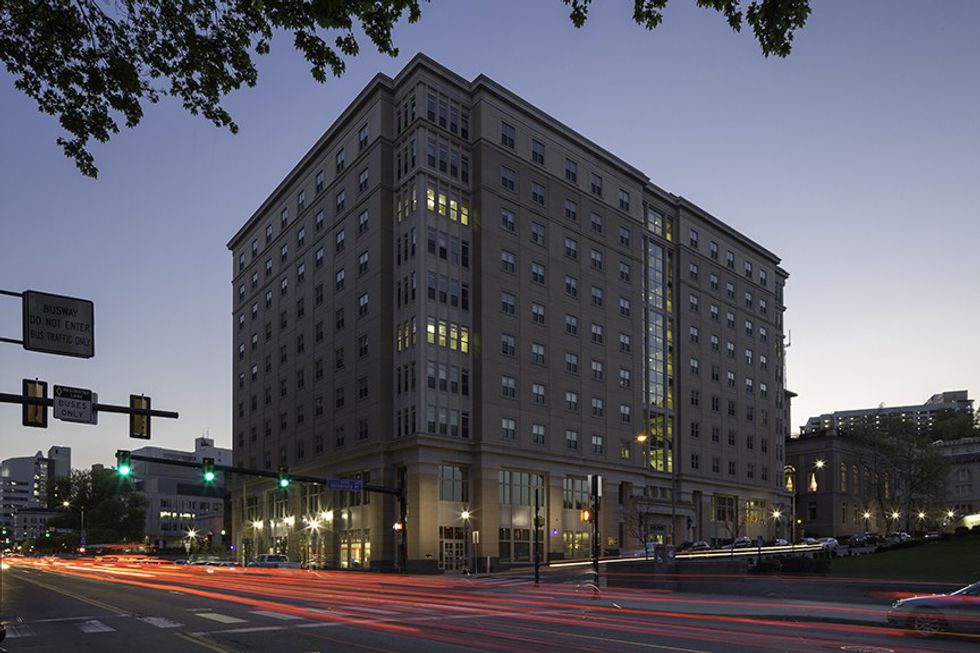 Worth fifty-nine million dollars?
Link about education budget in PA: http://www.utimes.pitt.edu/?p=34549