
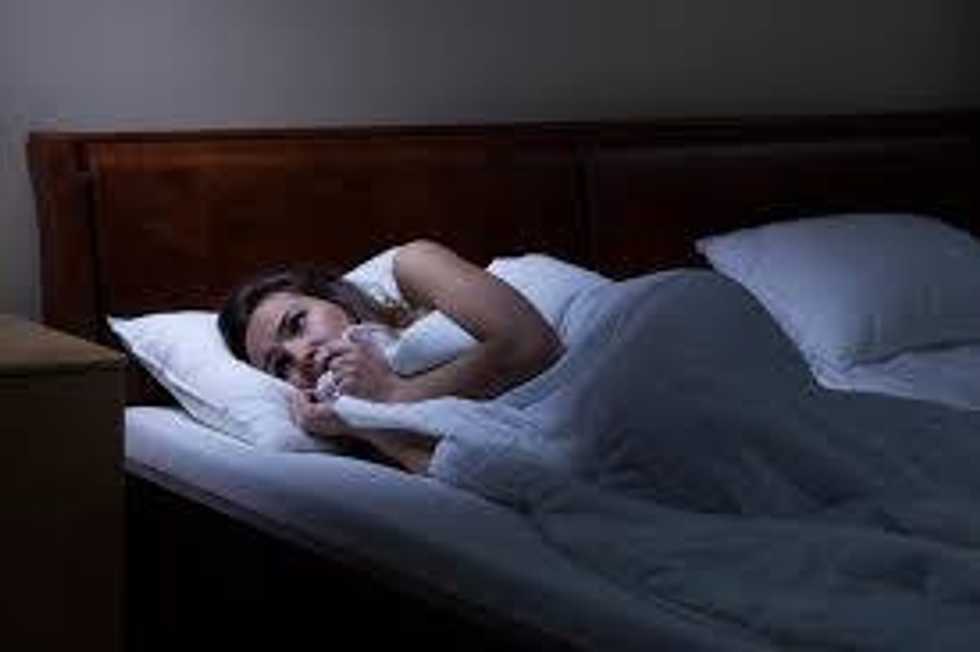
I was in the 7th grade when I first experienced the horrifying symptoms of sleep paralysis. I had no idea what was happening to me except that almost every night I went to sleep and almost every morning I fought a battle to free myself from what I would call me own personal hell.
The only way that I can explain sleep paralysis to someone who has never experienced it is by asking you to close your eyes. Now imagine yourself somewhere peaceful, somewhere where you feel free. Once you’ve gotten there, I want you to take a moment to enjoy yourself.
Now envision that peaceful dream being wrenched away from you and suddenly you’re lying in your bed, trapped in your own body. You’re terrified. There’s something in the room, you don’t know what it is, but you know that you’re in danger. Your fight or flight senses are kicking in, but you can’t move. While you’re struggling to move you become tired and you realize that you’re having trouble breathing. Now you’re thinking to yourself “Great! I might not be murdered in bed wearing my DC universe tighty-whitie’s, instead I’ll suffocate to death… less painful.”
One of the many symptoms of sleep paralysis is very frequent and vivid auditory and visual hallucination. The most common visual hallucination for me is an image of an eerie woman dressed in black holding a black cat at the edge of my bed and although she doesn’t say anything, there is a heavy presence of malice and ill intent in the air.

I’m one of those people who can always tell when they’re dreaming, so I can always tell when I’m hallucinating. I know that it’s not real, just like I know that my chances of moving are damn near impossible, but I still try anyway because real or not seeing what might be an evil satanic nut job at the edge of your bed will have you chanting magical spells form that one Harry Potter book you read if you thought it would help you escape. You know this to be true if you’ve ever experienced sleep paralysis. Which is why I am leaving you with a list of ways to help you all prevent sleep paralysis. It doesn’t always work, but it’s helped me a lot since I’ve started making changes around my sleeping habits.
- Drink water or herbal tea before bed. This will have a more calming effect on the mind and is a perfect alternative to caffeine, which can cause anxiety and hamper a person’s normal sleeping habits.
- Meditate. Although there is no clear reason behind sleep paralysis scientist believe that stress, depression and lack of sleep may have a part in this phenomenon, which brings me to the next thing on my list…
- Sleep earlier. Sleep deprivation may be behind your unfortunate circumstance so pick an earlier bedtime. Make sure that you are getting the recommended hours of sleep per night and try to make it a habit of going to sleep at the same time every day.
- Routine and comfort is key. I’ve read that keeping a pattern to your sleeping schedule helps reduce stress and always for a goodnights rest. Paralysis mostly occurs when you’re sleeping on your back so sleep on your side or any other way, which is most comfortable for you.
- ABSOLUTELY NO heavy meals before bed! Your body needs time to properly digest what you eat and a heavy meal before bed can lead to insomnia and other disruptions to your sleeping pattern… *cough**cough*
Anyway, that’s all I have for now! I hope this helps some of you, but remember I’m no doctor. I’m just sharing what I know and what helps me get through the night.