
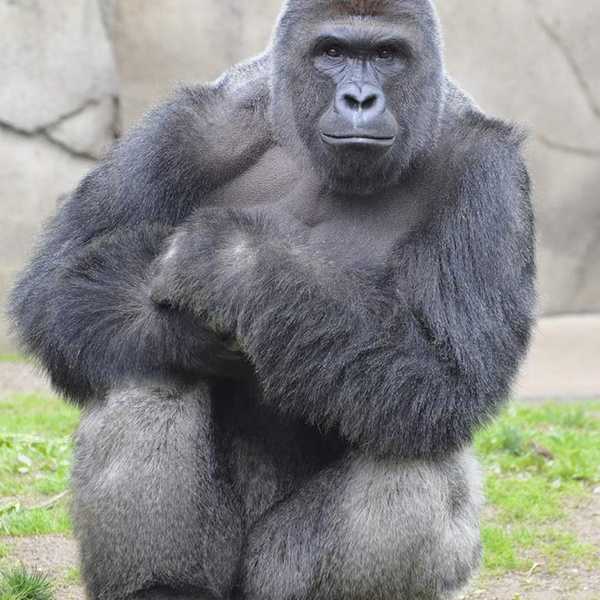
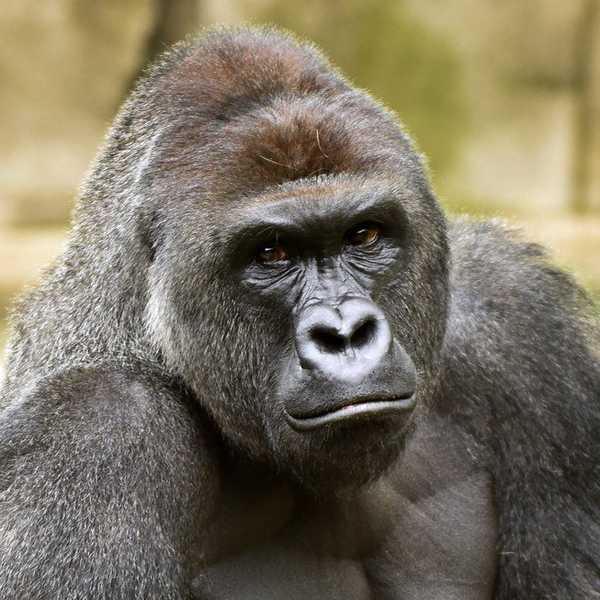
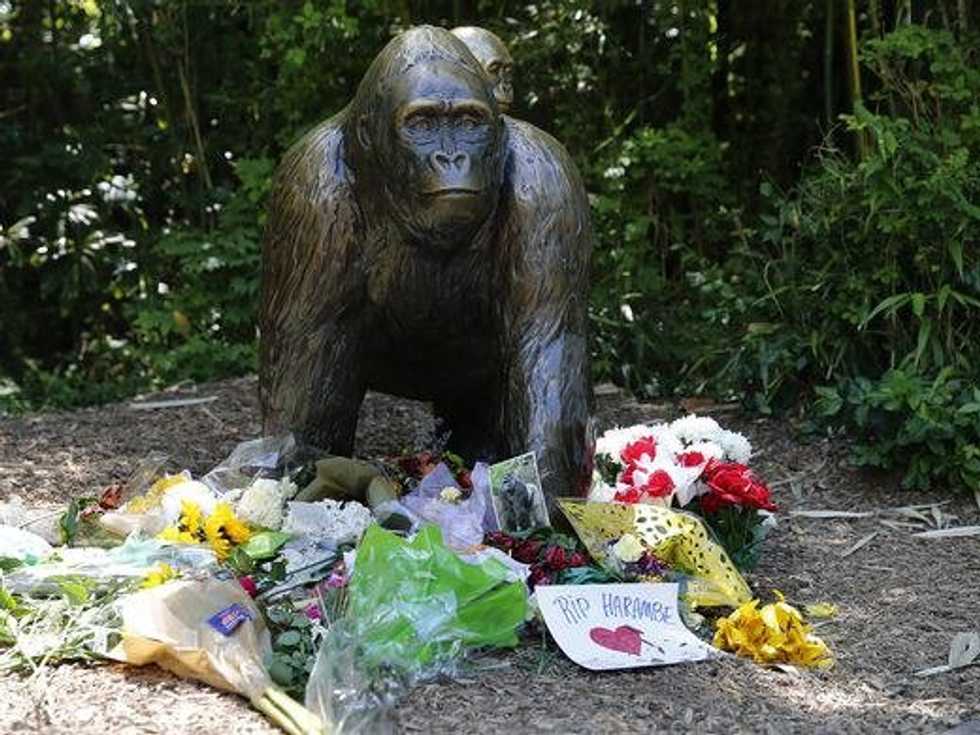
When a magnificent animal dies in the wild it is heartbreaking, but we move on because nature is simply taking it's course. In a zoo though, an animal dying is more than heartbreaking— it is an atrocity, especially when the animal is killed by the humans it relies on for care.
I am not here to argue that the shooting of Harambe, a sliverback gorilla, was right or wrong because truthfully, I don't know. I wasn't at the Cincinnati Zoo the day a four-year-old got away from his mother and somehow fell into the gorilla exhibit. I wasn't a witness to how Harambe was acting toward the child and can only base my opinions on what witnesses have reported, and I wasn't there when the Dangerous Animal Response Team had to make the difficult choice of ending the life of a critically endangered species.
And I am definitely not here to argue whether or not we should be keeping animals in zoos at all, because I think zoos can be a great place for certain animals to thrive if kept correctly, as well as educate the public about animals.
But what I can argue about is parenting, or the lack of parenting, I have witnessed at zoos as a frequent visitor. I can also argue about the horrific track record the United States has when animals in captivity revert back to their natural instincts and are killed for it due to the mass fear from the public. Both of these issues, I believe, are fixable if we have the compassion and patience for it.
I'm not a parent, so I'll probably get backlash by talking about parenting, but I'm putting in my two-cents anyway because I visit the Bronx Zoo enough to see what happens. We all know the stigma when it comes to children and zoos: annoying. Yes, little children seem to turn into uncontrollable little monsters when they go to zoos. It's understandable because they are excited, but going to the zoo is not an excuse to let your child run rampant just because all the other children are.
My most vivid memory of this was only a few months ago, when I was at the Bronx Zoo and witnessed a child climb over one of the two barriers blocking the humans from the bears. The mother was too busy with her other children to even notice what this child was doing, but eventually she pulled him back over just to turn away and have him do it again, and again, and again.
I've also been witness to children screaming their heads off, running away from parents and into other people, children banging on the glass of exhibits. I've seen parents so overwhelmed with multiple children that they just give up and let the children run loose, and I've seen parents completely oblivious on their cell phones the entire time.
The behavior I've seen from both parents and children is dangerous in a zoo. It is not a park or a playground. This is a place where wild and dangerous animals are kept, sometimes not kept in completely secure and sealed off conditions as seen in the situation with Harambe where there was a way to get in.
I strongly believe that poor parenting plays a huge role in the death of Harambe. I understand that the mother, Michelle Gregg, can not be totally blamed for not watching her child every millisecond of their time at the zoo, but I just can't believe that it only took seconds for the child to find his way into the exhibit. According to zoo director Thane Maynard, the Gorilla World exhibit is inspected by the U.S. Department of Agriculture twice a year and by the Association of Zoos and Aquariums every five years for accreditation, which means that the exhibit and its barrier are considered safe for the animal and the public.
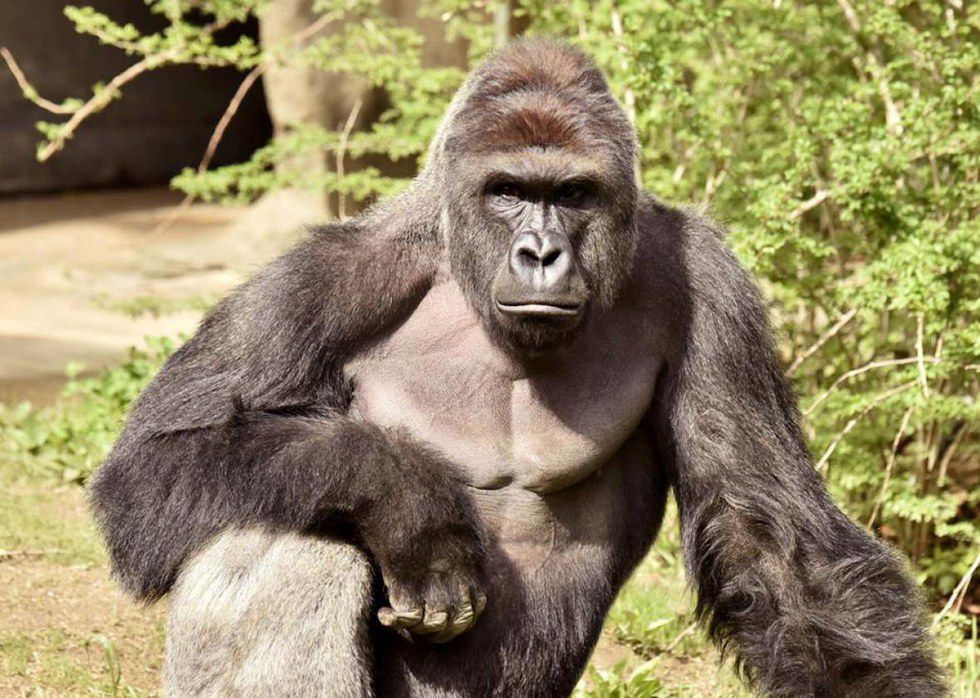
So how did this child get into the exhibit?
Because his mother was looking away for more than the second she claims in her Facebook post. I've seen it happen more than once during my zoo visits. Children have curious minds - it's not the child's fault that he figured out his way into the exhibit to see the gorillas, but the parents should be responsible for teaching their children about zoo safety and about the nature of the animals they are seeing.
Accidents do happen, Michelle Gregg, but you shouldn't brush it off as just an accident. Skinned knees are accidents, but negligence resulting in death are more than accidents and should be treated as such.
Another problem that I hope Harambe's tragedy teaches us is how humans react to animals reverting to their natural instincts. In America we have a problem regarding animals not behaving the way we want them to, leading to mass panic and usually a death sentence for the animal.
The most tragic case of this is of Mary the Elephant, also known as "Murderous Mary" in Charlie Spark's traveling circus, which visited Kingsport, Tennessee in 1916. An inexperienced keeper was put in charge of Mary and was killed during the show when Mary was hit after she went to eat an elephant rind. The townspeople demanded that Mary be hanged the way a man charged with murder would be. So Mary was hanged on a crane and died a long, painful death.
It's a tragic story of an animal behaving naturally in an unnatural situation and humans reacting violently. In the natural world species protect their own, but as humans I believe that we have the capability to show reason and compassion when an animal causes the death of another human. We cannot turn into the hysterical lynch mob. We cannot blame the animal, just as we cannot blame the child for behaving in the only way they know how.
The behavior of Harambe when the child fell in is split.
Zoo director Maynard says that Harambe was, "acting erratically” and was “disoriented,” while primatologist Jane Goodall responded to the tragedy by sharing an email she sent to Maynard stating that, "It looked as though the gorilla was putting an arm around the child — like the female who rescued and returned the child from the Chicago exhibit,” Goodall referring to a similar incident that happened in Chicago, but the female gorilla carried the child that fell in the the exhibit door so the keepers could rescue it.
Director of the Yerkes National Primate Research Living Links Center at Emory University and fellow primatologist Frans de Waal wrote on his Facebook that, "Harambe was mostly protective. He showed a combination of protection and confusion. He stood over the child, held him up, moved/dragged him through the water (at least once very roughly), stood over him again. Much of his reaction may have been triggered by public noise and yelling.”
It's understandable that the bystanders of this incident would be panicking, but the fact that the noisy and alarming atmosphere created may have triggered Harambe to react in the way he did is on us. We humans love to watch beautiful and dangerous animals at a safe distance, but when reality sets in, the life of the animal is always put on the back-burner because we do not know how to react when the animal gets too close for comfort.
Like "Murderous Mary," Harambe's fate was sealed due to parental negligence, mass panic and the natural fear humans have when the animals at the zoo become a little too real for our liking.

















