This week we dive into what is considered the worst part of garment production: overseas sweatshops. Everything from pay rate, to the working conditions themselves have become increasingly poor with the rise of fast-fashion companies. What’s worse is this problem will probably be the toughest to solve in the garment production process, and the most complicated, as the global economy continues to rely on cheap labor from Eastern countries. When people ask how clothes can be sold at such cheap prices, it’s most often a result of cut costs at this stage. So let’s pick up where we left off last week, with purchasing a $9 skirt.
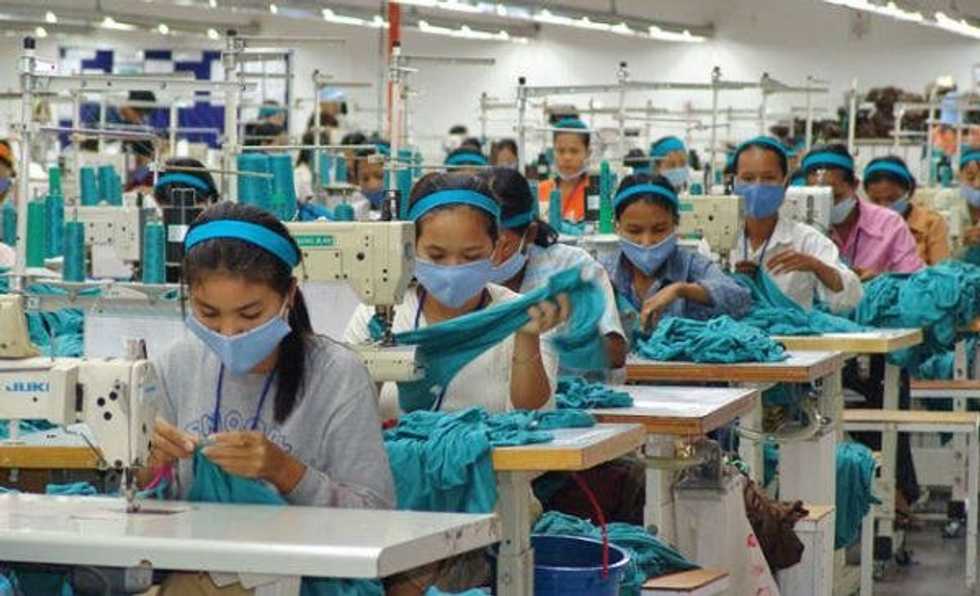
After the textiles are rolled and sent to factories, our $9 skirt has to be cut and sewn. Paper pattern templates are initially used to cut out pieces of fabric, whereupon the pieces are passed on to sewers to construct each garment, which is then sent to another set of sewers to perform the finishes. This traditional process is at every level of the fashion industry; from the ateliers of Chanel to the factories of Bangladesh. What makes this process considered sweatshop work is several factors that include sheer volume, uncomfortable facility conditions, and often the threat of extreme punishment should the outrageous daily quota of work not get reached. Because there is so much pressure to have hundreds of garments completed in a day, both the quality of garments, and the quality of the workers’ lives drastically decline.
Despite factories’ efforts to limit sewing mistakes (i.e. dividing up different parts of the sewing process to an array of workers), the large amounts of garments each person is expected to complete leads to rushed, unsustainable construction. The pattern piece cutters will cut fabric pieces against the textile’s grain, or worse on warped pieces of the fabric roll; sewers will speed through seams, resulting in everything from mistaken tucks, to odd pulls in the garment (a warped or off-grain piece especially will factor in here); and finally the finishers will hastily serge the inside seams (that’s the zigzag-like stitch you see inside most garments nowadays) and sometimes mistakenly tuck fabric at the hem or opening. Now to the untrained eye, small slip-ups that occur in the production process are unnoticeable at the time of purchase. Its not until you get home, to either try it on or begin wearing it, do you notice problems in the garment. Maybe it’s a legging that rotates around your leg, or a button-up shirt that falls strange across your front (funny enough, we often think its our bodies that are the problem, not the clothes). But any small mistakes in a garment can lead to poor fit, quick degradation, and ultimately a waste of your money.
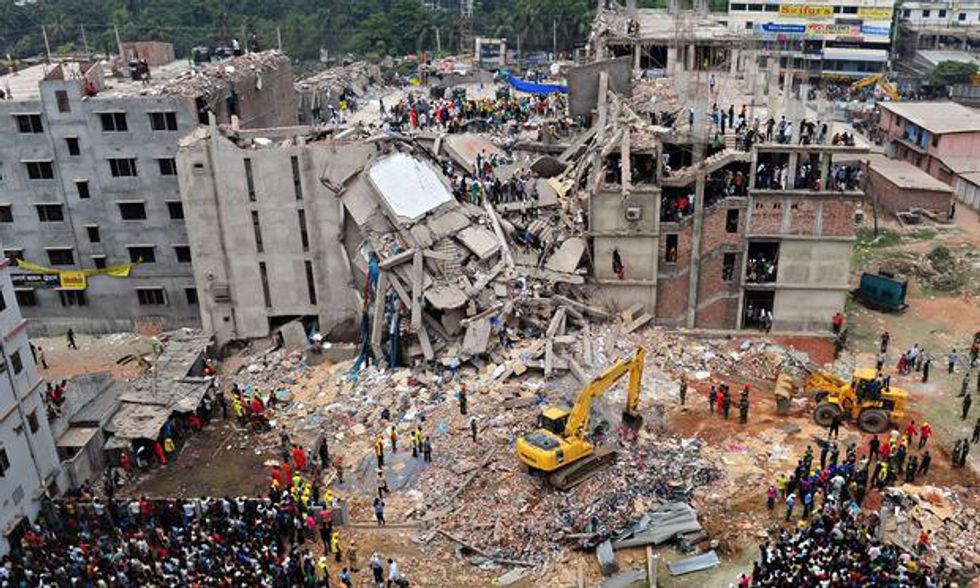
However the most unfortunate consequence of sweatshop conditions are the poor quality of workers’ lives. Having the pressure of producing hundreds of garments a day is only one of the many problems they face, among them: very low pay (usually less than $40 a month), harsh and/or violent supervisors, unhealthy fumes, lack of air conditioning/air ventilation, 14-17 hour workdays seven days a week, personal injury risks, and often far away from their loved ones. The list could go on, honestly. The most extreme of these situations can be found throughout history of the fashion industry. For example, the collapse of the Rana Plaza factory in Bangladesh killed over 1,100 people, and this was just two years ago. Two years ago. The lack of action to protect the millions of individuals at risk in these factories is appalling. Often an unfortunate combination of foreign politics and the global economy’s expectations hinders several movements to improve the conditions of these workers.
What makes solving the problem of garment production such a difficult one is the constant tug of war between those who believe in raising wages for workers, and those who believe a raise in costs will drive business away. While removing job prospects denies justice to the workers that need protection, the conditions under which they are expected to operate are simply unacceptable. Unfortunately, consumers can’t just stop buying from the companies that allow these circumstances. Profit loss will only drive them to cheaper factories with worse practices. It will be a combination of speaking out to these businesses (via social media, email, etc.), and supporting organizations that are fighting for labor rights overseas. Consumers need to make it clear that treating the people in these factories like animals (probably even less so) will not be tolerated.
It’s a daunting process, and equally discouraging as progress slowly continues. But with strength in numbers, consumers can really make a point to violating companies. Next week I’ll cover what happens once the clothes hit our closets, and the environmental effects of selling so many cheap clothes. Stay strong, we’re almost to the end.
For a more in-depth account of the conditions overseas I highly recommend watching the documentary The True Cost that just came out this year. You can watch it on Amazon, and not even have to leave your bed. If you’re interested in donating to organizations that are fighting to protect garment workers, I would recommend the Human Rights Watch and the International Labor Rights Forum.