
There is no other substance like water. Water is chemically astonishing and unique. It is the essential element to life as we know it. Humans are made of water and our planet is covered in it. However, the abundance of water on the planet is a double-edged sword. We need water to survive, but as much as it seems that we have an unlimited supply at our disposal, it is not an infinite resource.
Humans use water every day, whether we realize it or not. We drink it, we bathe in it, we cook with it, and we do so much more with it. The daily domestic consumption of water by the average person is 80-100 gallons. Different sources vary on the exact numbers, but 100 gallons is the ballpark estimate among many. However, this is just the water we can see. We can see the water in our bottles, pouring out of the shower head, and boiling on the stove. What many people don’t realize, though, is that water is “present” in so many other products we use and consume every single day. Water is used in the manufacturing of thousands of products, both industrially and agriculturally. Although there is truly little-to-no water in these products physically, it is there virtually. We are so far removed from the processes that create these items that we don’t see what goes into them. All we see is the paper we write on, the clothes on our backs, and the food on our plate. So, let’s look at some of the significant areas of virtual water consumption in our lives.
(Many of the statistics given can vary based on the source, but they give a relative idea of the magnitude of water consumption).
Product Manufacturing
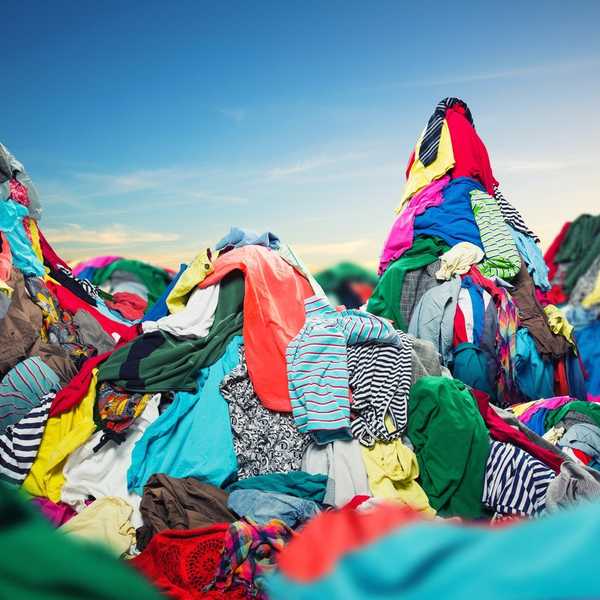
You would never think that something like the clothing on your back or the phone in your hand could have any significant kind of a water footprint, would you? Shockingly, they do. It takes roughly 240 gallons of water to produce a single phone, and there is an even higher demand for water in the production of clothing. For a pair of jeans, it takes 2900 gallons; for a cotton shirt – about 700 gallons; and for a pair of leather shoes – about 2100 gallons.
Many other products have shocking demands for water as well. According to the Virtual Water Project, a 17-oz. pack of paper requires 1347 gallons for production where it plays a huge role in the pulping and papermaking processes. The chances are almost any object you can think of has a water footprint, so educate yourself on where your products come from and what goes into them.
Agriculture
Aside from using water to cook our food and drinking it with our meals, there is an incredible amount of water that goes into the process of creating our food. Large amounts of water are fed to livestock and other animals throughout their lives before they finally make their way to the grocery shelves, and additional water, though not as much, is sprayed over crops. You can name just about any food item and water will have a significant role in its production. Agriculture in the United States is responsible for about 80% of our water consumption; however, the heaviest punch in the industry comes from the production of meat, which has the highest water footprint among foods pound for pound. Livestock production across the globe exploits around one-third of our fresh water sources. Due to water consumption by the animal, processes to make feedstock for the animal, processing of the meat, and other steps in the chain, it requires an overall amount of 2000 gallons of water to produce a single pound of beef. This figure can vary among different sources, but whether it takes 1500 gallons or 3000 gallons, that is still a lot of water. Think of all of the hundreds of gallons of water and thousands of pounds of feed that go into a single cow.
Additionally, it takes nearly 500 gallons to produce a pound of eggs, and almost 900 gallons for a pound of cheese. And that chocolate bar? At least 600 gallons. On the contrary, it takes under 100 gallons to produce one pound of many fruits and vegetables, including bananas, apples, oranges, lettuce, tomatoes, and potatoes. This is not to say that everything plant-based is automatically more water efficient, but it is the general trend. Altogether, the food we consume contributes to two-thirds of our water intake, so it is wise to be aware of what foods are contributing the most.
Fuel and Electricity
Water has a large role in the generation of electricity, which stems mostly from the need for cooling systems in thermoelectric power plants. The cooling systems withdraw water from a source and use it to decrease the heightened temperatures in the plant. In these cases, much of the water can be sent back to the source, but at much higher temperatures, which can be damaging to ecosystems. In many plants, though, much of the water can be lost to evaporation.
Another few sources of fuel and energy are natural gas, coal, and oil, which again have a high necessity for water. Substantial amounts of water are required to extract, refine, process, produce, and transport these fuels. It takes between one to two gallons of water to produce one gallon of gasoline. And interestingly, it takes approximately 80,000 gallons of water to produce the steel required for one car. It is harder to tackle the water demand of fuel and electricity, but it is an important factor to consider when we think about alternate sources for the future.
So what?
Now let’s think about this: about 1 out of 10 people on the planet do not have access to any source of safe water. Yet, here we are using excessive amounts of water in every facet of our lives. Although it is not as simple as taking our water and giving it away to other developing areas of the world, our water consumption in America is certainly disproportionate compared to many other countries in a world where water scarcity is a deep concern. Even areas in the United States are experiencing prolonged droughts. As I sit here writing this in Worcester, MA, we are in the middle of a stage-three drought due to the decreased levels in the reservoir system.
Obviously, not all the water that goes into these products is lost forever. It does not simply disappear, but it may take years for much of the water to be recycled and to make its way back into the environment. This is just a reminder to be aware of what you consume and to remember that the products we use daily are the results of a long chain of preparation. Do what you can to reduce your water demand at home, but also learn more about where the majority of your demand lies. Until we can find a way to recycle as much water as we consume, we are going to continue facing a global water crisis.