Presidential primaries determine a political party’s candidate for the general election in the United States. The Democratic and Republican Parties began that process last week with the Iowa caucus. The primary season offers the electorate a unique opportunity.
Across the U.S., open primaries will not require voters to be registered with a specific political party in order to vote for candidates. These states and territories have open primaries, which allow voters of any affiliation to vote in the primaries of any party.
The following states and territories are: South Carolina (Saturday, February 20 [D] and Saturday, February 27 [R]); Alabama (Tuesday, March 1); American Samoa caucus (Tuesday, March 1 [D] and Tuesday, March 22 [R]); Arkansas (Tuesday, March 1); Georgia (Tuesday, March 1); Minnesota caucus (Tuesday, March 1); Tennessee (Tuesday, March 1); Texas (Tuesday, March 1); Vermont (Tuesday, March 1); Virginia (Tuesday, March 1); Puerto Rico (Sunday, March 6 [R] and Sunday, June 5 [D]); Michigan (Tuesday, March 8); Mississippi (Tuesday, March 8); Illinois (Tuesday, March 15); Missouri (Tuesday, March 15); Virgin Islands caucus (Saturday, March 19 [R] and Saturday, June 4 [D]); Wisconsin (Tuesday, April 5); Indiana (Tuesday, May 3); and Montana (Tuesday, June 7).
Each primary and caucus allocates a different amount of delegates to the candidates of the Democratic and Republican Parties, respectively. For instance, there are 1,440 delegates at stake in the 19 open primaries and caucuses on the Democratic side. To win the Democratic nomination, Hillary Clinton or Bernie Sanders needs 2,382 delegates out of 4,763 available delegates. On the other hand, Republican candidates need 1,237 delegates to win the nomination out of 2,472 available delegates. The open primaries and caucuses will award candidates with a possible 919 delegates to Republican candidates.
So the question remains: What’s the Trump Card?
The answer: The possibility of party crashing!
Party crashing is when voters of one party coordinate to vote for a less electable candidate in the opposing party's primary. If successful, party-crashing voters could improve their own party's chances by selecting a weaker opponent for the general election.
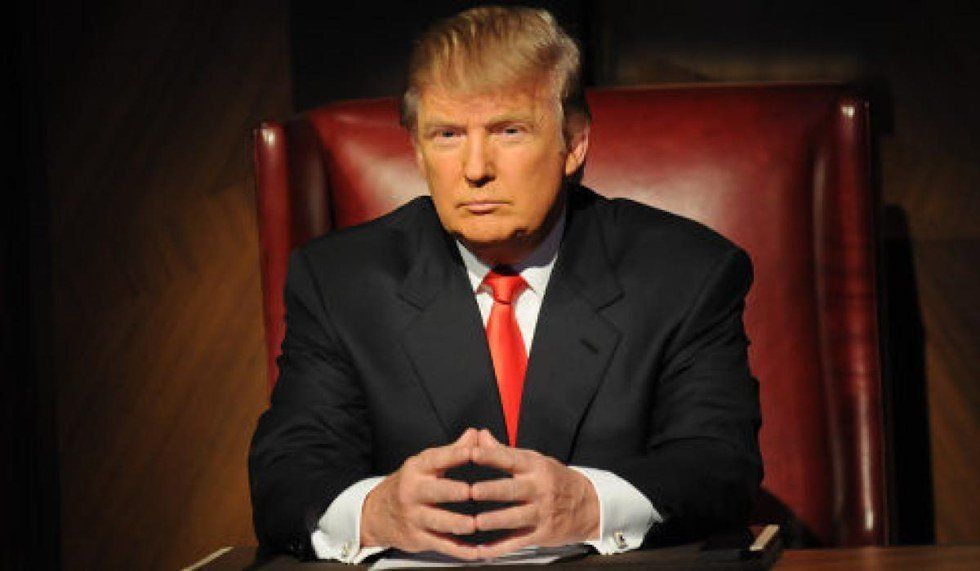
Both parties might employ this method to increase their general election chances during the 2016 primary season. Republicans might view Bernie Sanders, the United States Senator from Vermont, as a more desirable candidate to face as opposed to former Secretary of State and U.S. Senator from New York, Hillary Clinton. The reason: Senator Sanders might polarize moderate voters with his rhetoric of igniting a political revolution. Conversely, Democrats resoundingly yearn for the possibility of facing Donald Trump in November. Their rationale: Mr. Trump’s bombastic and controversial stances will discourage voters from choosing the GOP candidate at the polls.
If the operatives of the Democratic and Republican Parties are daring enough to encourage their supporters to vote in the primaries of the opposing parties, this primary season will see even more surprises in the coming months.