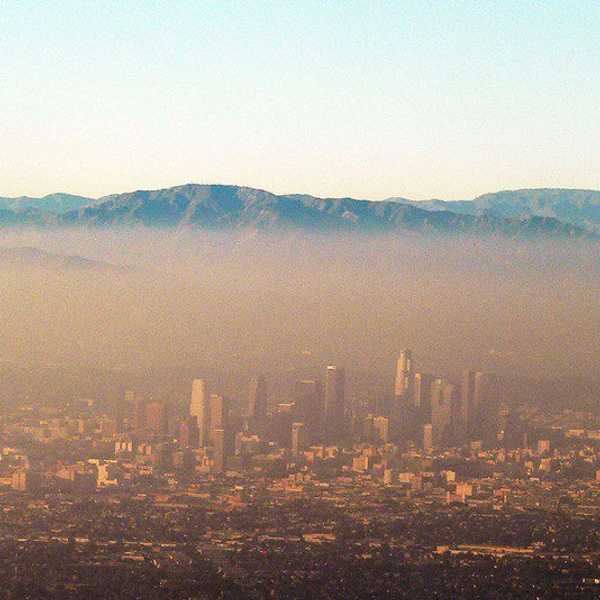
On Saturday, Aug. 15, parts of Arizona reached a record-breaking temperature of 115 degrees. Conditions are accelerating in cities like Phoenix, in what is considered one of the most extreme heat waves in recent history. Meanwhile, California’s drought crisis is entering its fourth year and bringing devastating consequences. In January, Governor Jerry Brown issued a State of Emergency and called for restrictions on water conservation statewide. Along with more frequent forest fires: in April the U.S. Forest Service reported 12 million trees have died in California in the past year alone, increasing the flammability of the suffering landscape. The events in Arizona and California are only a microscopic example of the ongoing effects of global climate change.
By now, we hopefully have an idea of what climate change is: the (historically recent) change in global climate patterns that is attributed to increased levels of atmospheric carbon dioxide. What’s important is that the existence of global warming is a consensus among (most) scientists who study the earth’s temperatures, and said scientists confirm that the crisis is caused by human behavior, namely the emission of fossil fuels and greenhouse gases.
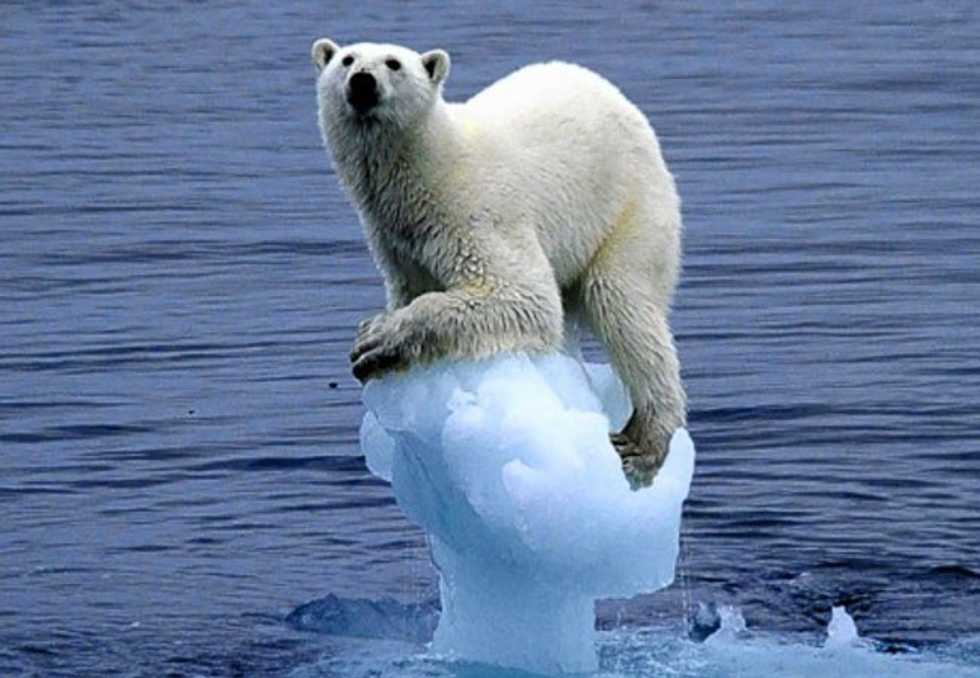
Statistically, global average temperatures have increased by more than 1.4 degrees over the last century, which is more significant than it sounds. This has caused many changes: more frequent and severe heat waves, flooding, the warming (and increasing acidity) of oceans, melting ice caps, and rising sea levels. While the planet has natural cycles of warming and cooling, the recent warming in the past 50 years cannot be explained by natural factors. These effects pose risks to human health, agriculture, infrastructures, cities, and important ecosystems. Climate change also threatens to endanger and potentially eradicate 16 percent of Earth’s species.
Back in May, HBO’s "Last Week Tonight with John Oliver" tackled the media’s handling of the issue. The segment points out that 97 percent of peer-reviewed scientific papers for the past 20 years agree that climate change is human-caused. And still, media falsely treats the science as something up for debate. The false balance in media coverage has prevented more productive discussion on how to solve climate change’s effects, rather than challenge its validity. It does not help that many public figures and GOP politicians outright deny its impact and existence.
Naomi Klein, author of "This Changes Everything: Capitalism vs. the Climate," argues capitalism is the catalyst for climate change. In her book, she says the crisis is a “civilizational wake-up call” against the “war our economic model is waging against life on earth.” Klein says that at this stage, increasingly brutal disasters cannot be averted, but there is still hope for demanding change from our governmental systems, ourselves, and each other.
It is not just about saving the planet, but frankly, us. It’s in our own self-interest to safeguard humanity against further destruction. To find out ways to reduce your daily impact on climate change, visit: http://www.epa.gov/climatechange/wycd/ .
Further Information sources:
http://www.epa.gov/climatechange/basics/facts.html
http://www.cbsnews.com/pictures/californias-drought/
http://www.theguardian.com/environment/2015/mar/08/how-will-everything-change-under-climate-change