In the digital media age where accessibility comes at the touch of the fingertips or the click of a couple keys, the physical world has replicated and transcended itself into the digital one through the introduction of social media. On its own, social media has proven itself to be a tremendously valuable instrument, orchestrating and fostering connections between millions of individuals across the globe. Yet, as famously said by fictional character Ben Parker, “With great power comes great responsibility.” The introduction of social media networking, despite its plethora of benefits, has also cultivated a culture of increased body scrutiny, deconstruction and questioning of self-image and worth.
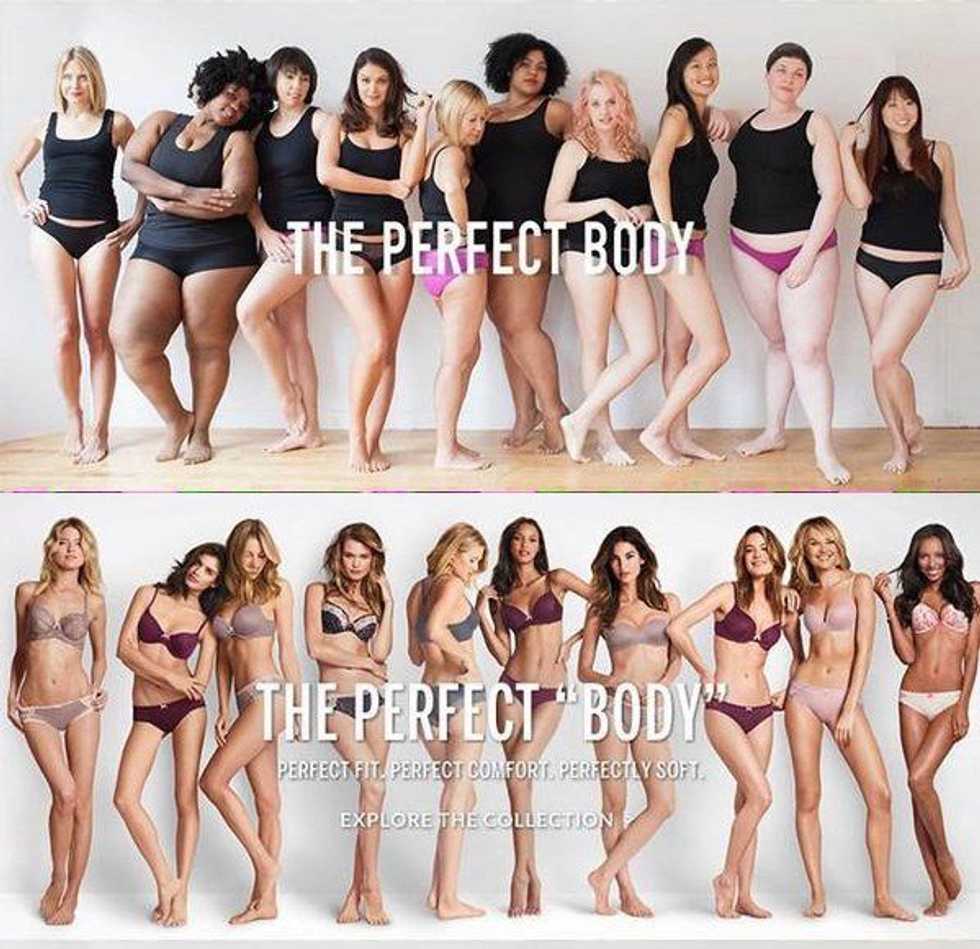
In complete sincerity, it’s hard enough to be a teenager trying to figure out both who you are and what you want to do with your life without the near-constant, microscopic analysis of your body coming into play. With the media’s saturation of airbrushed imagery, anorexic glorification and advertising tactics on what the “perfect body” looks like, it’s nearly impossible not to experience a sense of frustration and hyper-scrutiny of your own “flaws” and physical appearance. Digital media platforms increase the attention and exposure of these nearly impossible, unattainable ideals, with websites like Tumblr spreading around “thigh gap” images and Twitter memes belittling overweight women.
Furthermore, there’s the constant pressure of peer perception impacting the version of ourselves we portray online, Instagram likes and Twitter retweets validating or invalidating our self-worth. With a few simple keywords, we can find the social media accounts of a woman or man halfway across the world with bodies seemingly sculpted by the gods themselves, increasing the feeling of inadequacy and unjustly comparing our bodies with those of strangers. Likewise, celebrity accounts influence our own interpretations of what attractiveness is and what body attributes are desirable. The fact of the matter is, no one tells you that celebrities are greatly assisted with stylists, personal nutritionists and chefs, personal trainers, a glam team and the occasional plastic surgery to make them look Instagram-worthy at every moment and from every angle. This isn’t a condemnation of their lifestyles and choices on how they showcase their bodies. It’s the acknowledgment that no, not every can have the legs of Karlie Kloss or the hourglass figure of Kim K., and that’s OK.
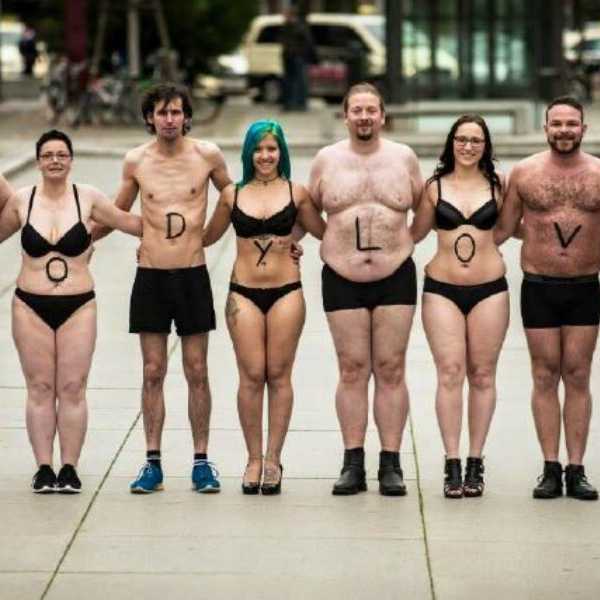
There is not one cookie cutter mold for what attractiveness is and what’s the perfect body. Beauty is, as cliche as it may sound, in the eyes of the beholder, and perfection is an unrealistic idea. No one, even the most attractive of individuals, has the perfect life or body and has never been subjected to bullying, self questioning and anxiety over their appearance. Social media, as an invention, is an amazing tool that utilizes individuals to connect and interact across a multitude of platforms. Yet its convention, the way in which it’s employed, is what can make or break its impact on its viewers. Whether you get two likes or 2,000 on your Instagram photos, your worth as a human being and the essence of your characters remains unblemished and intact. And that, as Beyoncé would say, is what makes you flawless at the end of the day.