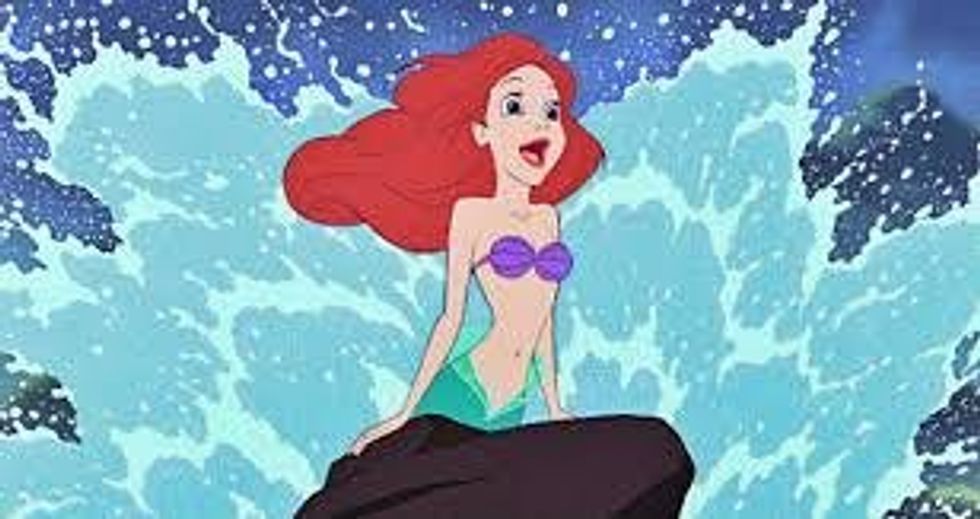
This week, The Washington Post reported research done by two linguists who claim to have found a "major problem" with "The Little Mermaid" and other Disney films. The researchers, Carmen Fought and Karen Eisenhauer, have been working to analyze all the dialogue from Disney princesses and their movies.
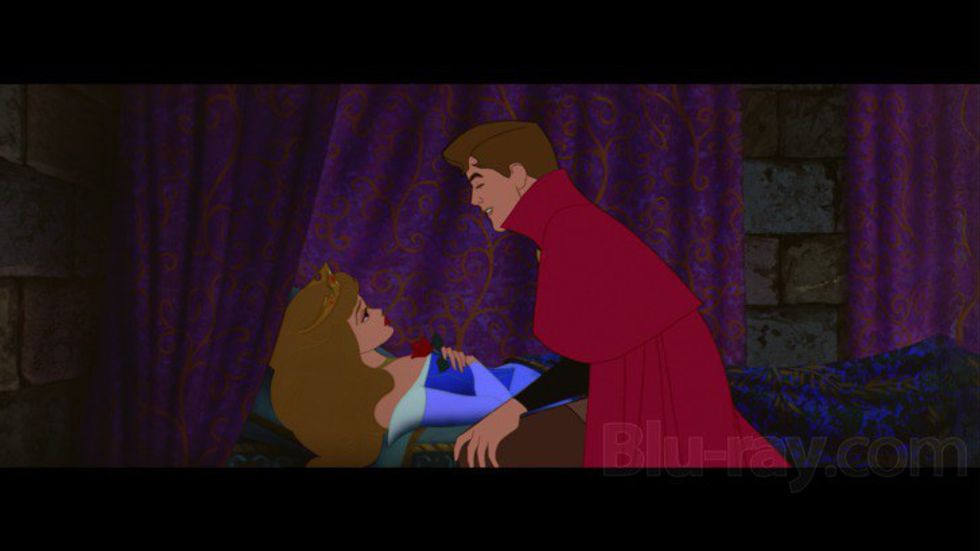
The goal of their research is to establish the differences between the way male and female characters in this franchise speak. They started with the frequency of spoken words and compared three eras of Disney films; the "classics" (1937-1959), the Disney "renaissance" (1989-1999) and films made after 2009. In their research, they found that the classic films, such as "Sleeping Beauty," had higher percentages of female dialogue. For example, in "Sleeping Beauty," women deliver 71 percent of the spoken words.
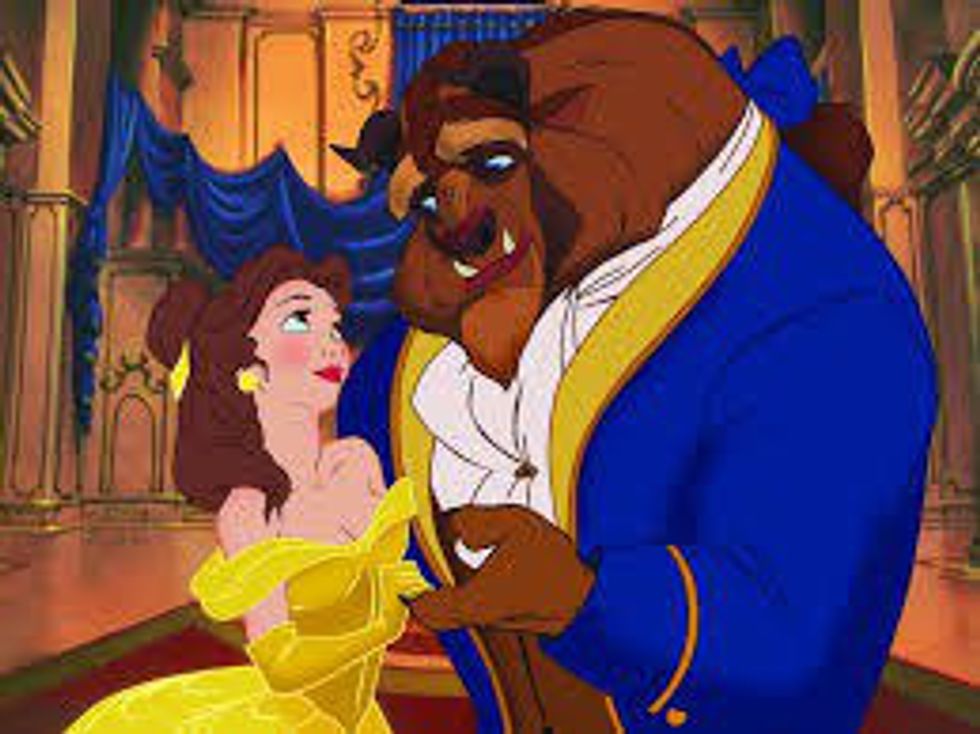
On the other hand, films of the "Disney Renaissance" era are more male-dominated. In "The Little Mermaid," men speak 68 percent of the dialogue, and in "Beauty and the Beast," 71 percent.
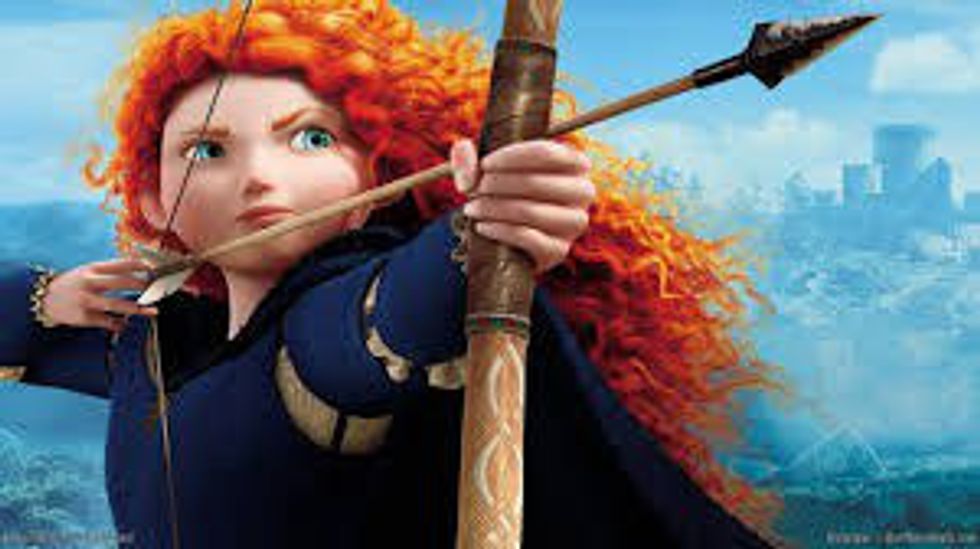
While this research is fascinating and a new approach to the Disney Princess franchise, I am not sure it holds much weight today in 2016. The movies of the "renaissance" are 15-25 years old. Several other Disney Princess films have been made since the year 1999. "Brave," made in 2012, has female dialogue at 75 percent.
I can see and even agree with some of the points Fought and Eisenhauer presented in their research. They said, "There are no women doing any other things. There are no women leading the townspeople to go against the Beast, no women bonding in the tavern together singing and drinking songs. Everybody who's doing anything else, other than finding a husband in the movie, pretty much, is male."
They attribute the imbalance of dialogue and female roles to a "carelessness." They claim that we are so trained to think of males as the norm. Eisenhauer says, "So when you want to ask a shopkeeper, that shopkeeper is a man." I do agree there is a lack of females interacting with other females in the films made from 1989-1999, and that this may lead to a lower female dialogue count. Where I disagree is that this causes some sort of "problem" with the films.
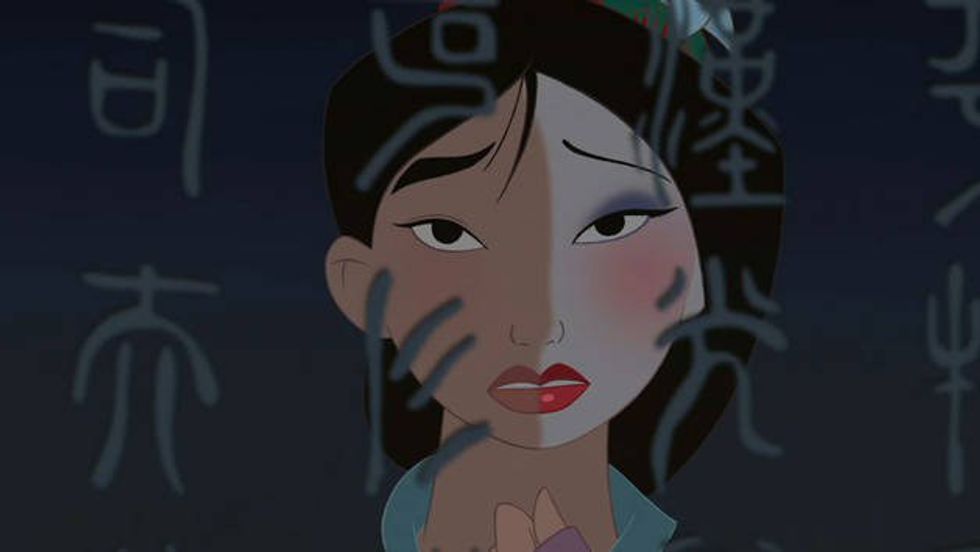
The female characters in these films are still strong role models for girls even if they don't talk to other females or even have a voice for the majority of the movie. "Mulan," for example, has less than 25 percent female dialogue but still shows girls that you don't have to be a man to fight for your family or your country. She was forbidden from joining the army, but she wanted to protect her father. She had no other choice but to dress as a man or she would have been killed, so obviously all her interactions in those scenes are going to be with men. The number of words spoken or the number of female roles is not important to the message.
Since the beginning of the Walt Disney Company, Disney princesses have been criticized for how they portray females. But Walt Disney was an innovator in animation and storytelling. He took his talents and made movies where the main character was a strong female, beginning with "Snow White and the Seven Dwarfs" in 1937.
The "renaissance" continued that trend, with the exception of "Aladdin." Modern Disney princess films have expanded on and provided audiences with themes of feminism and sisterhood. While highly intriguing, research like this devalues and often ignores the important themes these films portray. As a society, we have progressed, and so has the subject of Disney princess films.
What do you think? Is this research important to the value of the Disney princess franchise?