
Neurofibromatosis. No this isn't a word used against third graders to get them out of a spelling bee, it's a disorder that is common all across the globe, yet nobody knows about it...so does that make it uncommon?
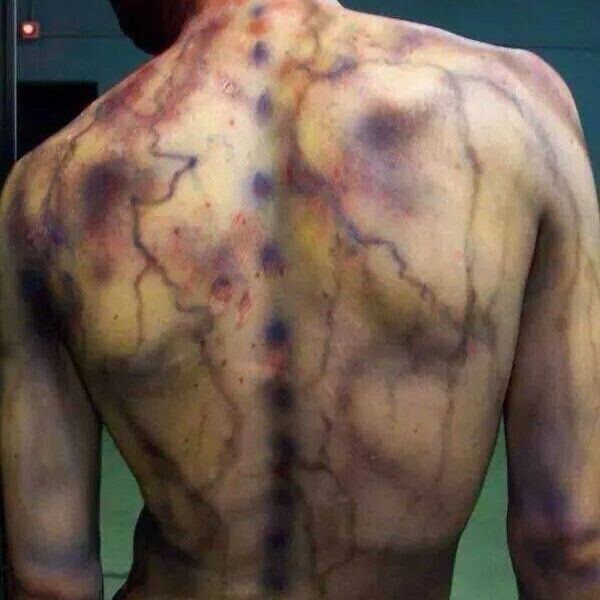
In short, Neurofibromatosis is a genetic disorder that causes tumors to grow on ones nerves. These disorders cause tumors to grow on nerves and, less frequently, in the brain and spinal cord and produce other abnormalities such as skin changes and bone deformities.The disorder is mainly inherited, however, 30 to 50 percent of new cases are through a mutation in individual genes. Once this change occurs the mutant gene can be passed on to the succeeding generations (My diagnosis is through a gene mutation).
There are three forms of Neurofibromatosis (NF is the abbreviation): NF1 is the more common type of the disorder (what I am diagnosed with). Symptoms which can be seen at birth and nearly always by the time a child is 10 years-old include light brown spots on the skin (cafe-au-lait spots), growths on the iris of the eye, abnormal development of the spine, skull bone or the tibia. NF2 is less common and is characterized by slow-growing tumors on the vestibular (part of the inner ear). The tumors press on and damage neighboring nerves and reduce hearing. The third type is schwannomatosis, which is the development of multiple schwannomas (tumors made up of certain cells) everywhere on the body except on the vestibular branch of the 8th cranial nerve. The dominant symptom of schwannomatosis is pain but some develop numbness, tingling or weakness in the fingers and toes.
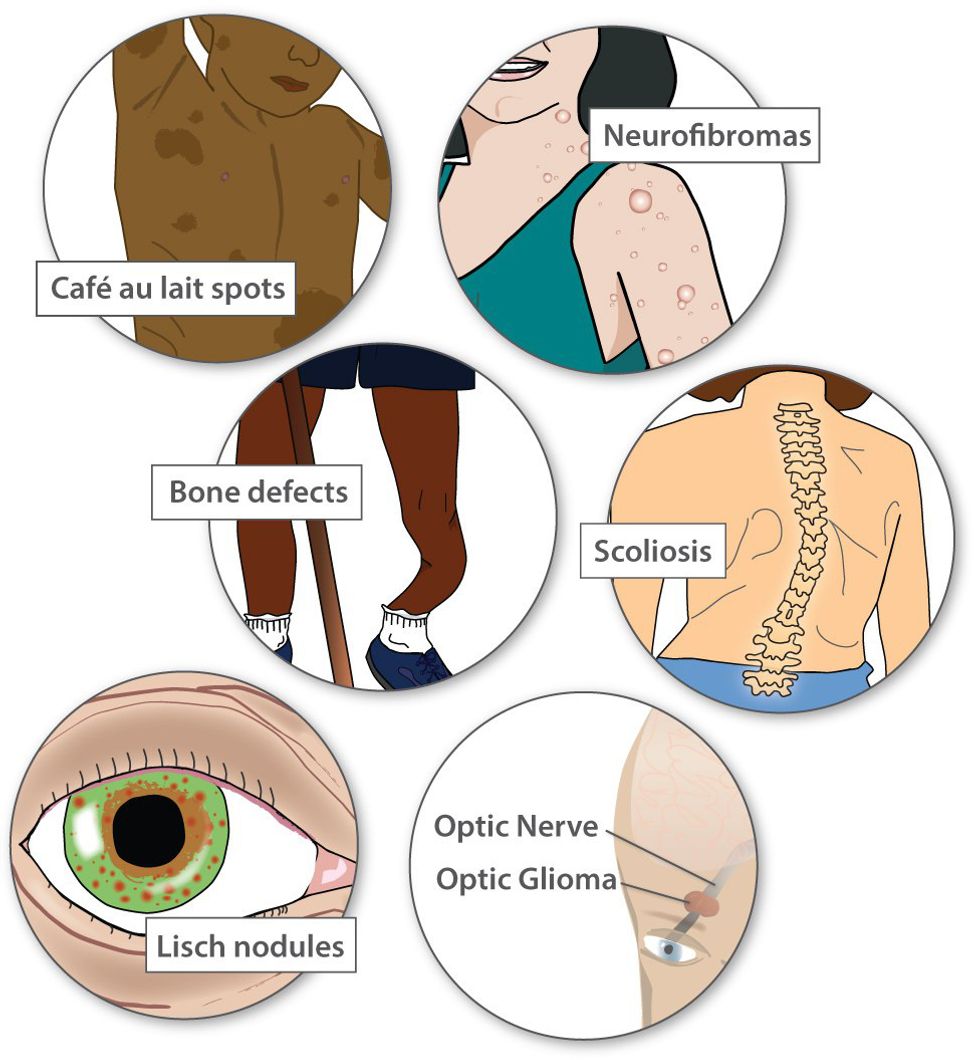
Mainly, symptoms of NF1 are mild and the individuals diagnosed live normal and productive lives. However, NF1 can be debilitating and can cause cosmetic and psychological issues. NF2 varies greatly among individuals, although loss of hearing in both ears develops in most individuals with NF2. In some cases, NF2 can be life-threatening however most suffer from significant pain which can be severe and disabling. Research is being done by the National Institute of Neurological Disorders and Strokes (NNIDS) to seek fundamental knowledge about the brain and knowledge to reduce the burden of neurological disease, for more information on research and clinical trials for Neurofibromatosis, links will be included at the end of the article.
Now that I've made you sit and read all this science stuff, you probably want to know why I'm writing about this. I was diagnosed with Neurofibromatosis Type 1 when I was 5. My parents began to notice dots appearing on my skin that were lighter than freckles, even for such a fair skinned person. My pediatrician at the time sent me to a neurologist who told my nervous parents that what they've been noticing are cafe au lait spots, and that I was diagnosed with NF1 due to a genetic mutation in my DNA. We were sent home with as many pamphlets as the office had and hoped for the best. Fast forward 13 years later and the best has come, I was fortunate enough to not develop any tumors. I had some of the side effects that come with NF but nothing that would make life challenging, and since I'm 18 there's a good chance that nothing will change since I'm done developing physically for the most part. I'm considered lucky, but there are others that aren't, NF affects more than 100,000 Americans; this makes NF more prevalent than Cystic Fibrosis, hereditary Muscular Dystrophy, Huntington’s disease and Tay Sachs combined. Some of these people are dealing with pain, disabilities and other symptoms that are a part of Neurofibromatosis. And yes, I wrote this article to explain the pain that can come with Neurofibromatosis. But, I just have one question...
If more than 100,000 people in the United States alone have been diagnosed with NF, then why aren't we as a community, aware of this? I realize that there are a lot of terrible diseases and illnesses out there, but knowledge is power. Now that you know about Neurofibromatosis, educate somebody, create a chain reaction, and together we can make a change.
Links & Information About NF:
NF Fact Sheet - NIH