
History was made a few short months ago when same-sex marriage was legalized across the nation. Our country has never felt so progressive, and I cannot emphasize enough how beautiful this change feels. But considering the celebration and excitement that has permeated the United States regarding this decision, I think it’s time to consider what marriage is, exactly.
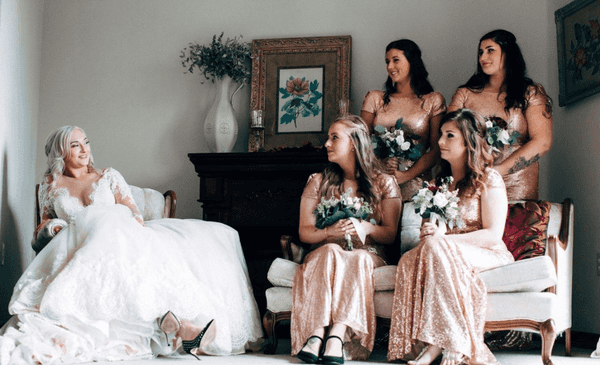
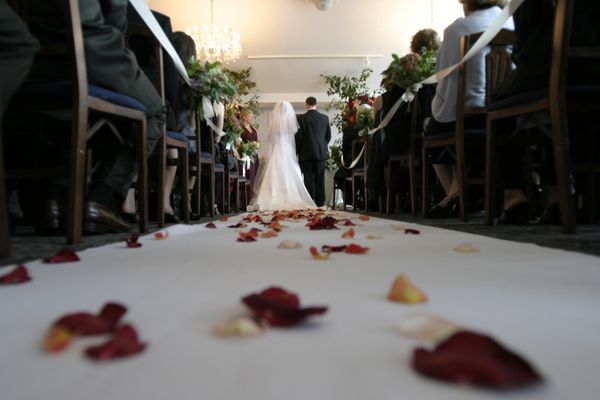
Marriage is one of the most symbolic and meaningful ceremonies that can be performed in today’s world, marking the union of people who love each other. This simple definition should be a basic concept that most are familiar with, but the implications of marriage have been so fine-tuned and taken advantage of that, historically, it has become incredibly socially constructed. Weddings can cost hundreds of thousands of dollars, and they follow a strict tradition that has been maintained for centuries—the white gown, the veil, bridesmaids and groomsmen, the bride being walked down the aisle by her father—it’s all been done more times than one can count. The institution of marriage is attractive because of this tradition. There is a certain magic that comes with wearing your mother’s dress or watching someone you love read their vows. With that in mind, this tradition is starting to be modified and capitalized upon in a way that makes it more universal and all-embracing. We are reaching a turning point.
There is a fine line to walk between tradition and progress. Marriage dictates so many of society’s values and actions that many of our social boundaries and institutions would crumble without it. That’s why I think it’s time to truly redefine the concept of marriage, perhaps in a way that does not carry so much weight in a traditional sense. The recent legalization of same-sex marriage is a fantastic step in that direction—never before has marriage been tested and beaten in such a progressive way. An institution that rests so much on this tradition is inevitably going to be challenged by any kind of progress, so the problems surrounding this subject lie in the fact that some element of that tradition must be sacrificed or modified to fit new societal standards. And that’s a great thing--there can be no progress without change, but the antiquity of an institution like marriage has been ingrained in our mentalities for so long that change is not going to come easily.
Every effort can be made to preserve the original concept of marriage, but it is evident that wedding ceremonies and traditions are becoming personalized and modified in a way that suits the particular couple to be married. For example, it is increasingly popular to write one’s own vows, more and more brides opt for a gown that is not white, and themed weddings are becoming their own genre. As weddings evolve to suit more modern day acceptance of individuality, the concept of marriage itself is being challenged at the core so as to cohesively integrate it into society’s more progressive values. In one hundred years, marriage could be drastically different ceremonially, but the legal weight it carries will likely still drive social protocol. And that’s okay—traditions change, and, in my opinion, if they change in a way that benefits and accepts more people, then we are better for it.