

The 2016 race for the White House is quite an interesting one indeed. For one thing, this is arguably the most active year for millennial voters, and is the first presidential election in which Gen Z-ers (Generation Z, being the generation right after millennials) are eligible to vote. This makes for an interesting mix of voters, as these two groups have grown up in the emergence of the digital age.
Also, the republican party has been very feverish this time around. Originally, it had 17 people who put their name in to get on the ballot, with a mixture of well-known figures and unknown outsiders. The part that made this interesting was how they all had wildly different views, and it wasn't immediately clear who had a fair shot at winning. The democratic side has been hectic as well, but for different reasons; the two front runners are a well-established female candidate that’s been causing a lot of controversy, and an outsider with a lot of new ideas and is relatively new on the political scene, despite him being the oldest candidate in the race (the oldest of the ones that have a decent amount of visibility, that is).
There are indeed many things that make this race highly exciting and anticipating. Understandably, I’ve been asked multiple times by multiple different people to write an article about the 2016 presidential election, and my stance on a few different issues, and that I shall do. I'll give key information about some of the candidates, namely the ones who are the most visible. Then, I'll answer a few different questions that were asked to me by a few friends of mine.The Top 2016 Presidential Candidates
Bernie Sanders
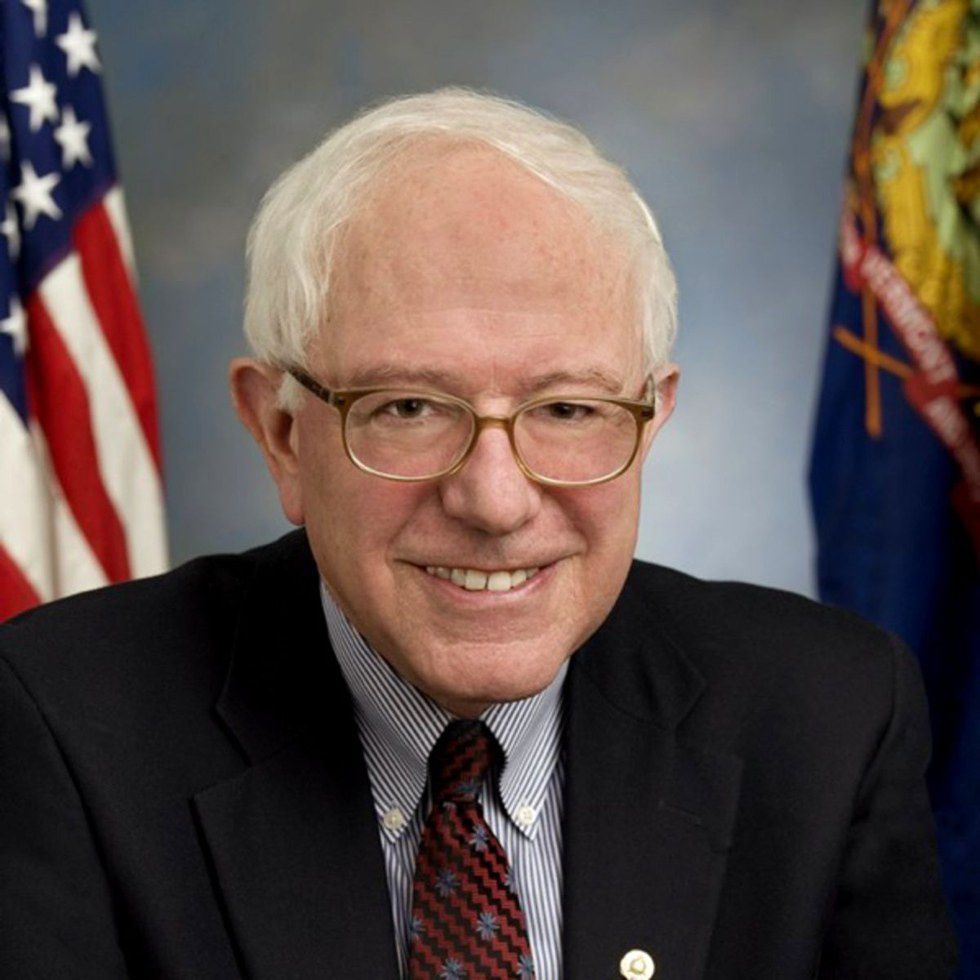
Full name: Bernard "Bernie" Sanders
Date of birth: September 8, 1941 (74 years old)
Home state: New York
Political Affiliation: Democrat (current), Independent
Experience:
-Mayor of Burlington, Vermont (1981-1989)
-House of Representatives (1991-2007)
-Senator of Vermont (2007- )
Focus areas: Wealth inequality; civil rights, esp. for African-Americans and LGBTQ individuals; education; job growth
Pros/Positive facts:
-Most popular among younger voters, i.e. Millenials
-Comes off as the more honest, relatable candidate
-Has a long history of activism for African-American and LGBTQ rights
-Has a high focus on money and wealth, in the form of focusing on wealth distribution, lowering the cost of common needs and expenses, and breaking up large banks, among other things
Cons/Negative facts:
-Has not been consistent/honest about his funding and support
-His largely liberal viewpoints would not have much support with the republican dominated congress
-His plans for funding all of his different proposals focuses primarily on increasing taxes, and would cause a lot of unrest
-His focus on social and economic reform comes at the expense of a lack of priority for foreign policy and national defense
Hillary Clinton

Full name: Hillary Diane Rodham Clinton
Date of birth: October 26, 1947 (68 years old)
Home state: Illinois
Political affiliation: Democrat (current), Republican
Experience:
- First lady (1992-2000)
- First lady of Arkansas (1979-1981; 1983-1992)
- Senator of New York (2001 to 2009)
- Secretary of State under President Obama (2009-2013)
Pros/Positive facts:
-Has experience and viewpoints in both the democratic and republican parties, hence giving her a little more widespread support
-Willing to come up with compromises and nonpartisan solutions to common issues
-More well-known; has received several accolades from different organizations
-Has more political experience and holds positions on a wide variety of issues
Cons/Negative facts:
-Often wrapped up in political scandals, and doesn't handle them very well
-Tends to contradict herself and her opinions
-So far has failed to gain traction with young voters, as she previously hoped
-Has gained a bit of leeway for being a female candidate
Donald Trump
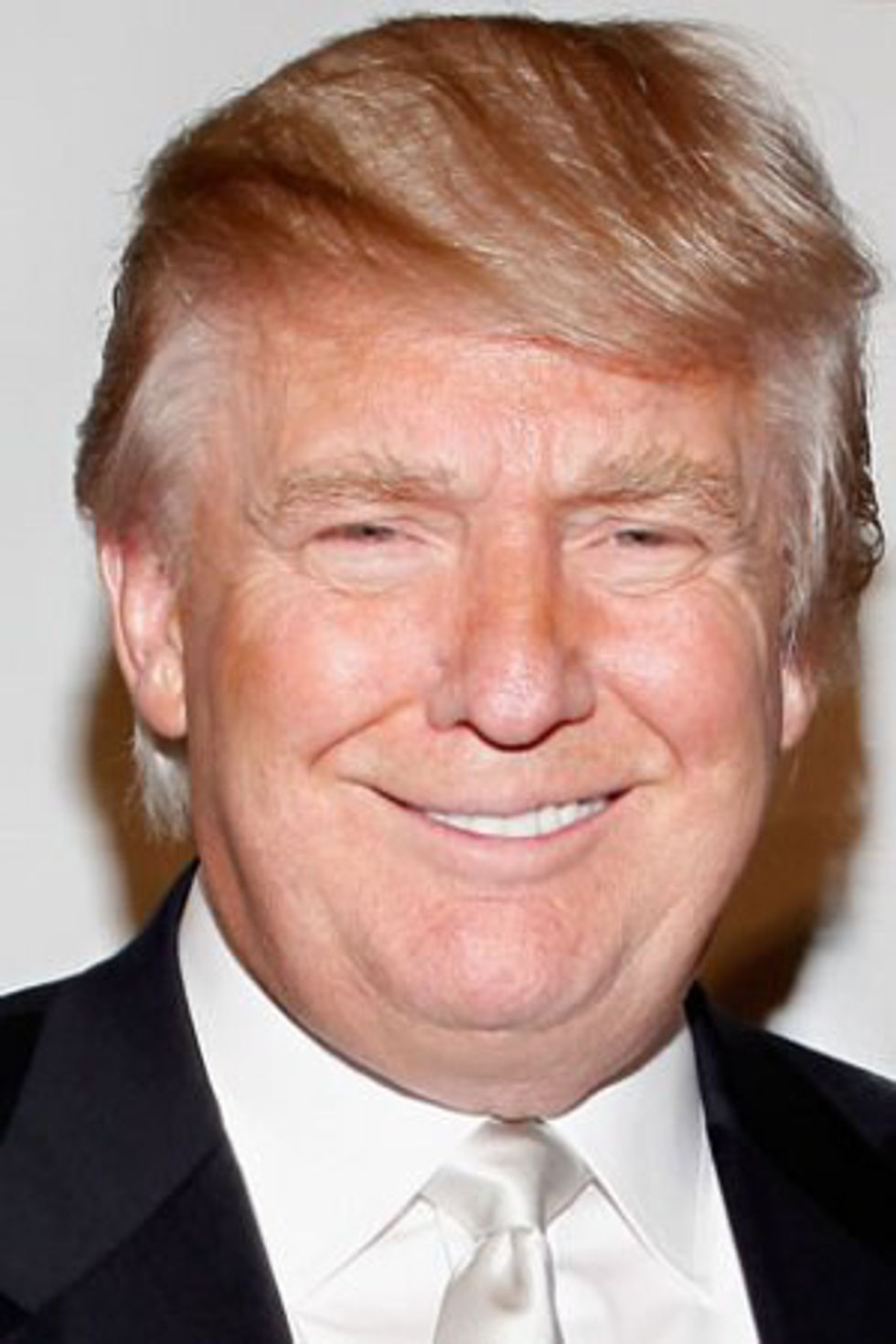
Full name: Donald John Trump
Date of birth: June 14, 1946 (age 69)
Home state: New York
Political affiliation: Republican
Experience:
Donald Trump does not currently have any official political experience.
Pros/Positive facts:
-Prioritizes national security and national defense
-Very honest and outspoken
-Also has a few liberal views as well
-Extremely loyal supporters
Cons/Negative facts:
-Has many strongly xenophobic viewpoints
-Has extremely limited experience/success when it comes to politics and leadership
-A large hate monger, especially when it comes to his opponents or those that disagree with him
-Makes a lot of rude and impractical statements
I will include the other candidates in a later article, if possible. For now, I shall answer the questions asked to me by various friends of mine. Keep in mind that these answers are strongly based off of my own opinion.
Q: What is your take on immigration? Both inside and outside the USA? As in Americans moving to other areas like Quebec, Alberta, or Portugal?
A: I think this one is very subjective. Different people have different reasons for believing in whatever they believe in, when it comes to this. Personally, I believe it varies. When it comes to immigration, there are certain precautions and limitations we must take in order to protect ourselves. I'll assume for a second that you're referring to the large numbers of Syrian refugees, specifically the ones aiming to come to the U.S. Given the nature of the situation, that they are escaping their war-torn country filled with violent and dangerous people, we foremost need to make sure that THEY aren't the dangerous and violent people. It's a huge risk, as there's no way to tell without extensive background checking, which even then isn't 100% effective. But in all cases of mass immigration, its important that we stay away from racism and prejudice while still keeping ourselves safe.
And as for people immigrating out of the country (otherwise known as 'emigration'), its not that complicated. We shouldn't force people to stay if they don't want to. and if they want to come back, I'm not sure. It should be easier to come back to America than if you were never originally here, though.
Q: If we were to take a model like European countries, and adopt one universal currency to keep the currency stable and prevent over inflation, would it be a good idea? Would it be feasible to do this without the advantage of easily accessible travel?
A: Well, here's the thing about this. After some thought, I've come to the conclusion that it would be quite impractical to do so. There are so many different countries and currency values in the world, and it's not that simple to just switch over to another system. I do think it would be a good idea perhaps, for the convenience and the increase in stability, among other things. But there are just so many things to think about--one of them possibly being the lack of easily-accessible travel as you said. It could end up being the same currency having different values in different areas.
Q: Why do you infer that Bernie Sanders is solely campaigning for free handouts?
A: Given the things I've said in the past, I can see why you would think that this is my opinion. However, this is not entirely true. I know that this is not the sole thing he is campaigning for, but I do think that this is one of the only things he has going for him. I've consistently watched the debates, and this is one thing that he constantly turns to. He has a bunch of different plans, and his uninformed supporters take his word for it without taking a serious look into whether these things are impractical or not. This would also be why he has garnered so much support amongst younger voters.
















