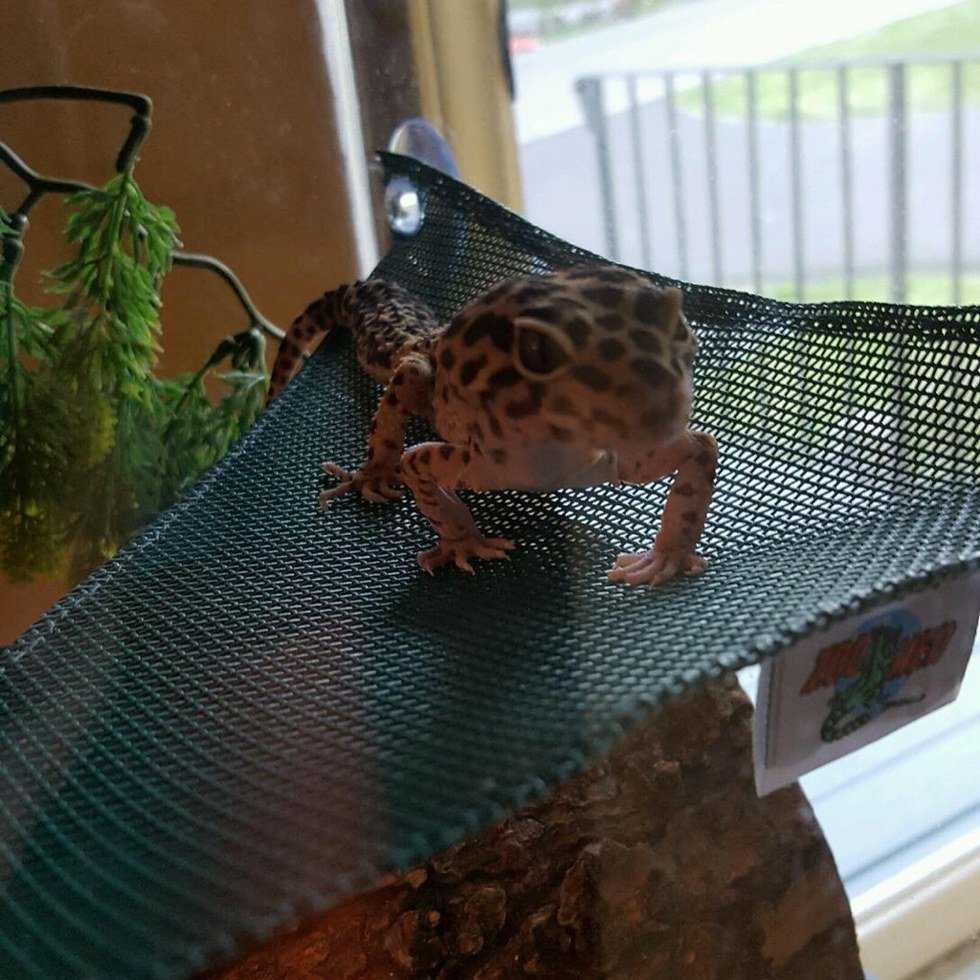
Most people say that their dog or cat is their life and they love them so much. I am not denying this, however my gecko, Raji, is better than a dog, cat, or any other animal. You may say "that's weird" or "that's gross" but all I'm going to say is that you're all missing out. In addition to my reasoning, I have included some helpful tips to keep in mind for those with leopard geckos, planning on buying one, or if you know someone that has one. The leopard gecko (Eublepharis macularius) is naturally found in the deserts of Asia and throughout Pakistan, to the northwestern parts of India.
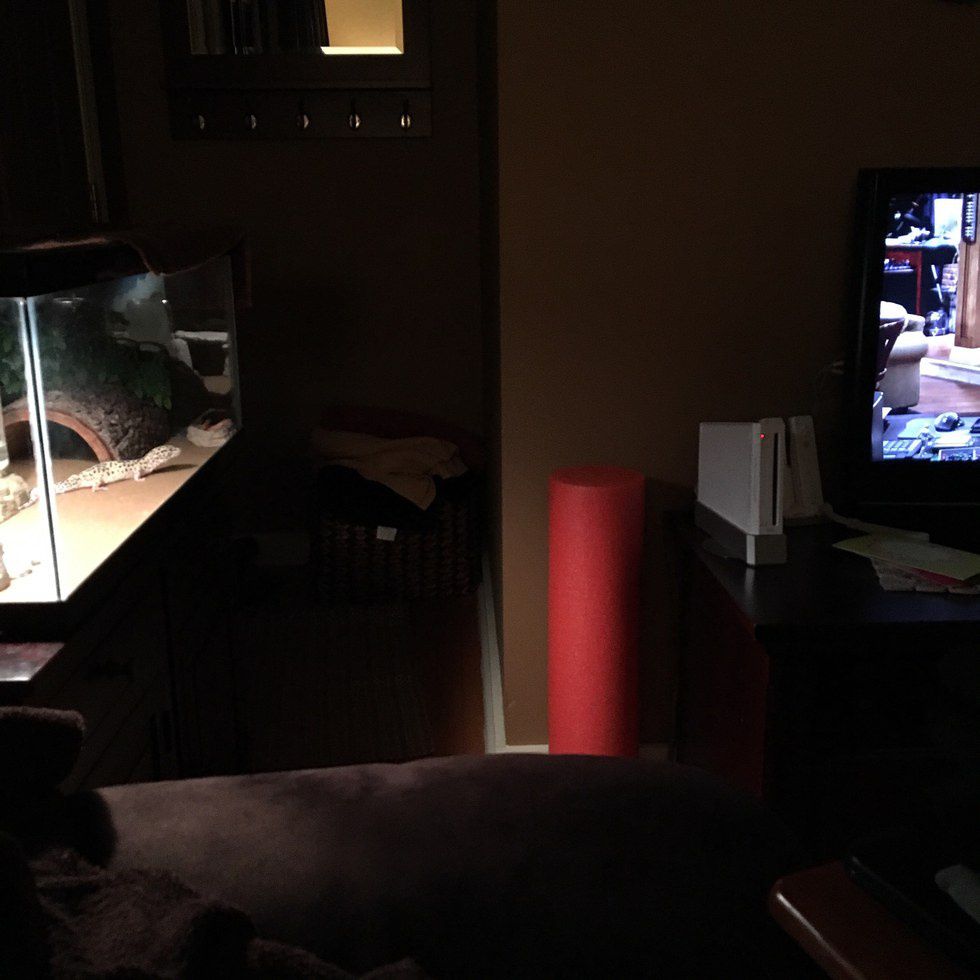
He watches shows with me and my family- whenever the t.v. turns on he runs out and lays so he can see it.
He loves to eat almost as much as I do - his diet is crickets, but whenever I eat near his cage he sneaks a look and licks his mouth. Leopard geckos don’t just eat crickets—they love all kinds of insects, including mealworms, superworms and waxworms. Leopard geckos are opportunistic feeders, meaning that they will not go out in search of prey, but will stalk prey once in sight.

He listens when I talk to him, and he doesn't talk back. Nearly all geckos have a voice. Leopard geckos have a small “bark” they use if agitated, but are not as vocal as other gecko species.
He plays hide and go seek- A leopard gecko's hide is an important part of his/her environment.
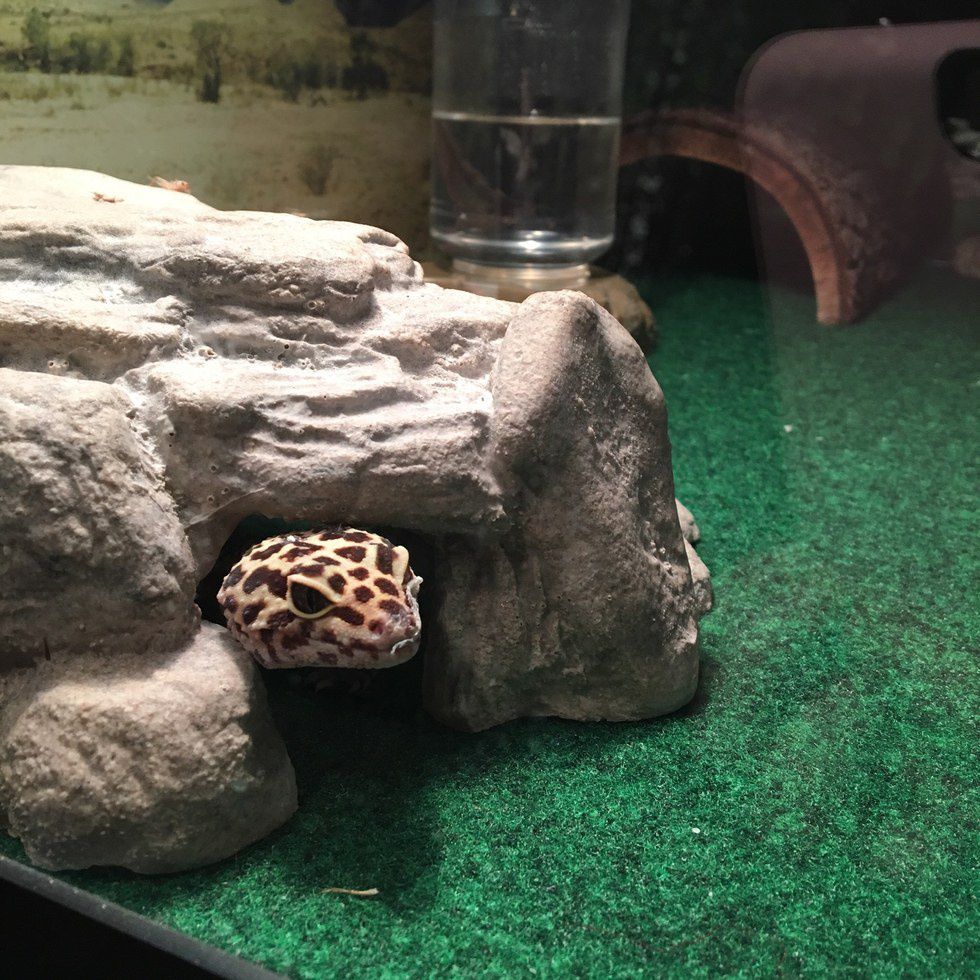
He is multi-colored, you can't see the color in his tail from the picture, but he is multi-colored and handsome. Leopard gecko tails are used to store fat; They can use this reserve in times of famine when food sources are sparse. Leopard geckos have a tail that can detach if grabbed by a predator, giving them time to escape.
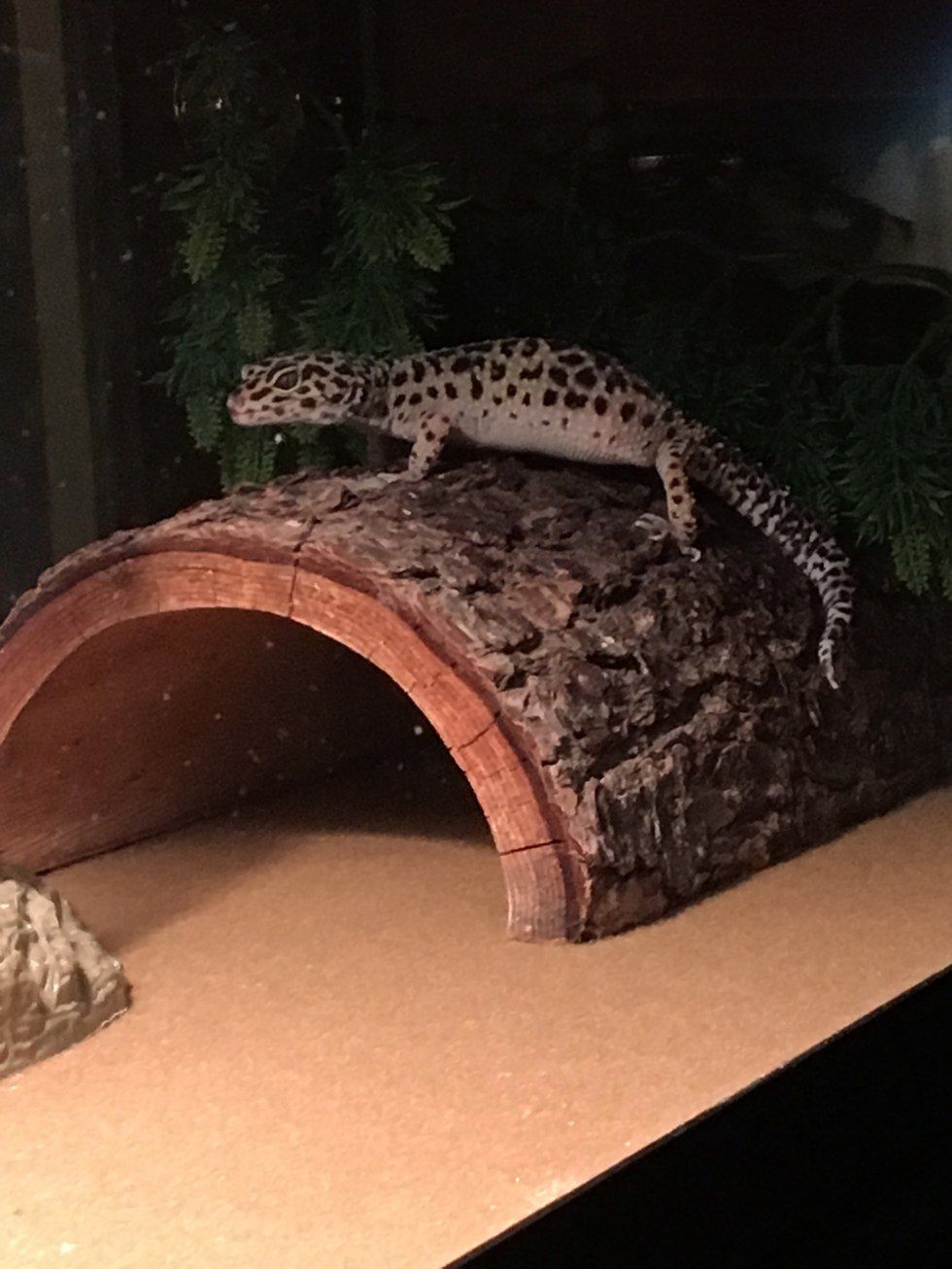
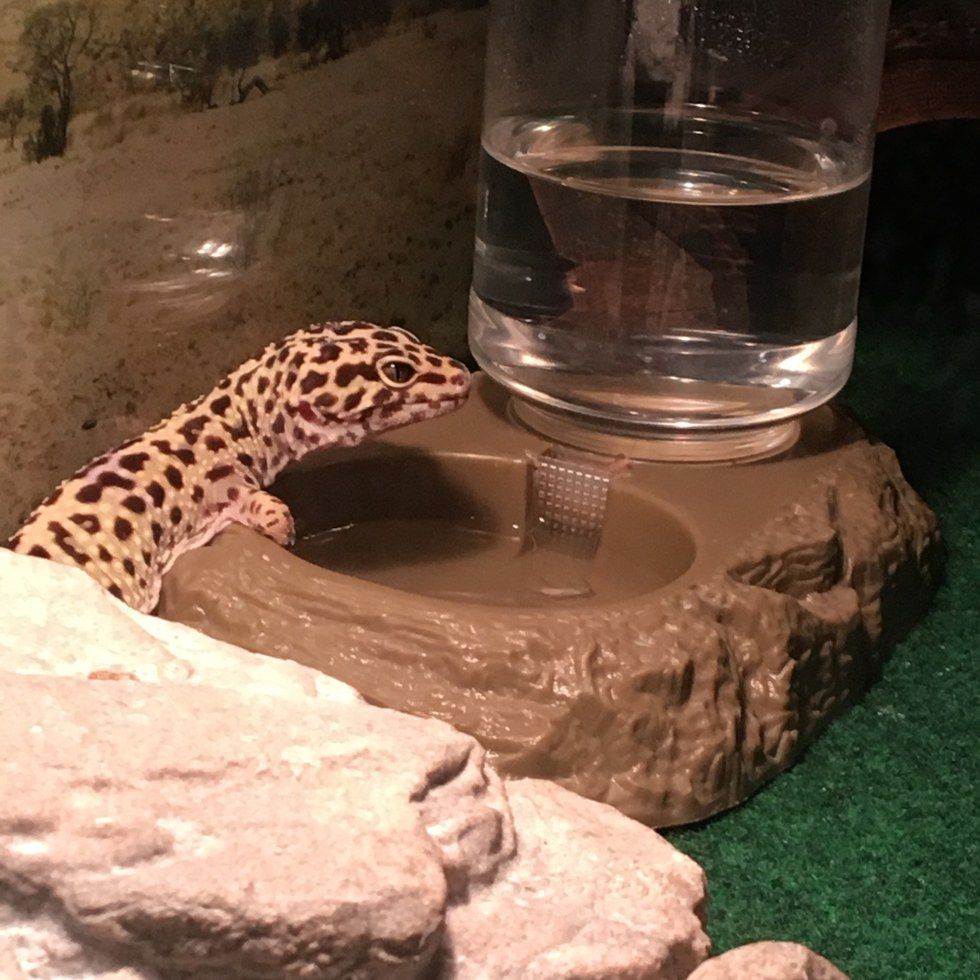
He is adventurous. Indigenous to the Pakistan area, Raji loves looking at the sand and scenery. They can't climb walls or glass, however they do like to climb and explore things such as rocks and logs.
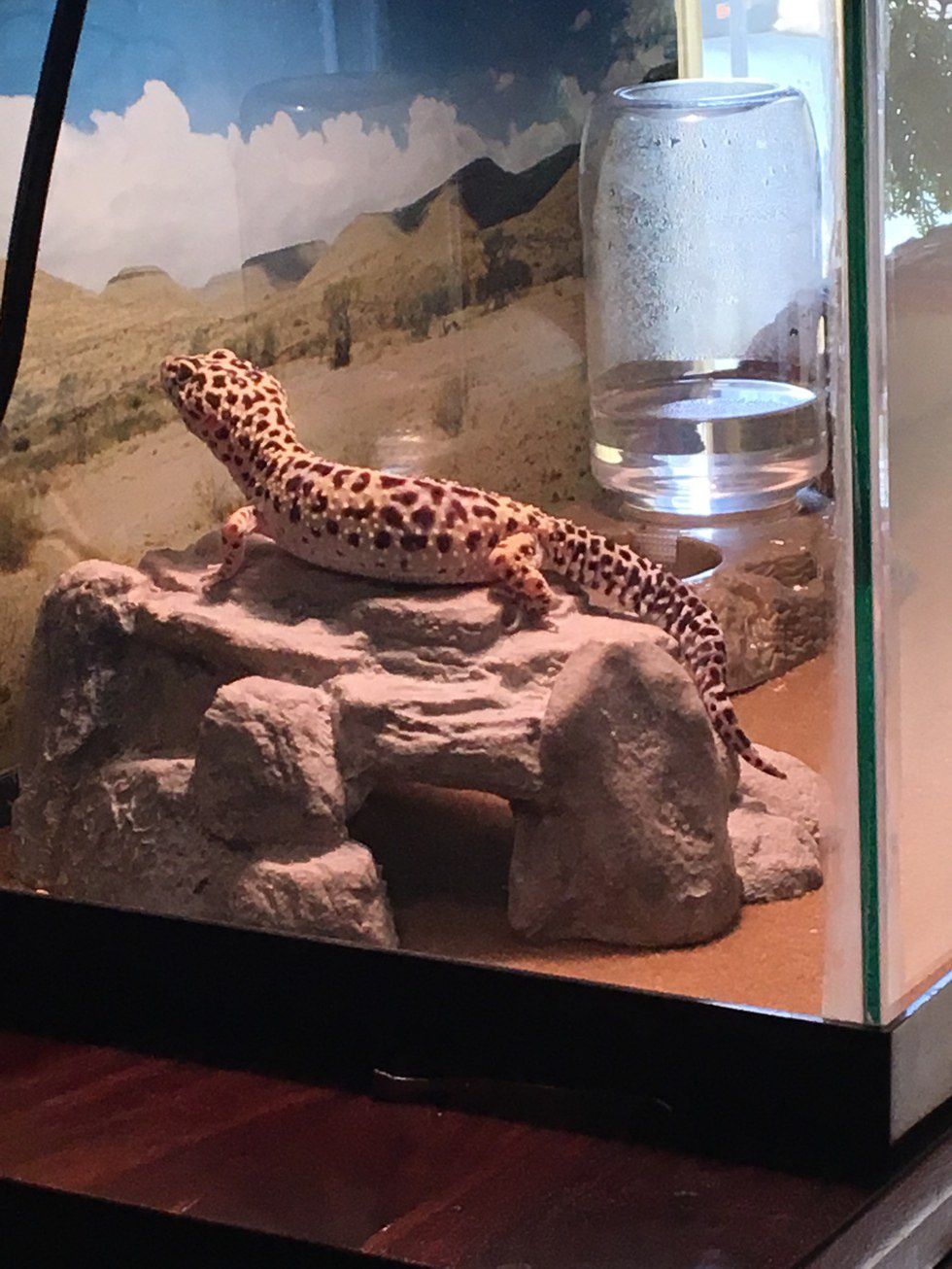
More Fun Facts:
- Kingdom: Animalia
- Phylum: Chordata
- Class: Reptilia
- Order: Squamata
- Family: Gekkonidae
- Genus: Eublepharis
- Species: macularius
They use the same area in their enclosure as a bathroom spot ("born potty trained").
If unable to find food for a long period of time, the leopard gecko can live off the fat reserves stored in its tail. They can also go quite a while without water as they get much of their water needs from the prey they eat.
Leopard geckos are spotted to blend into their habitat and break up their body outline as protection from predators.
If seriously disturbed or grabbed by the tail, it can break off, continuing to wiggle. If lucky, this distracts the predator while the gecko makes a hasty getaway. It can then regenerate its tail, but the new one is not as attractive.
The leopard gecko has a long, narrow body with a wide, short, fatty tail. The body’s yellow background color has dark spots and blotches. A captive bred gecko comes in different patterns and color mutations. Their body length varies between 7-10 inches. Unlike most geckos, they have movable eyelids and non-adhesive toes. Their lifespan in the wild averages 15 years; while in captivity 20 years (record is 29+ years).