Most of my short life has been composed of accommodations and various sacrifices. At the age of three, I had the reality of a compromise forced upon me I would not entirely grasp until entering the fifth grade. Yet, while I would understand such an idea, I would still struggle to deal with all the ramifications of this unexpected deal.
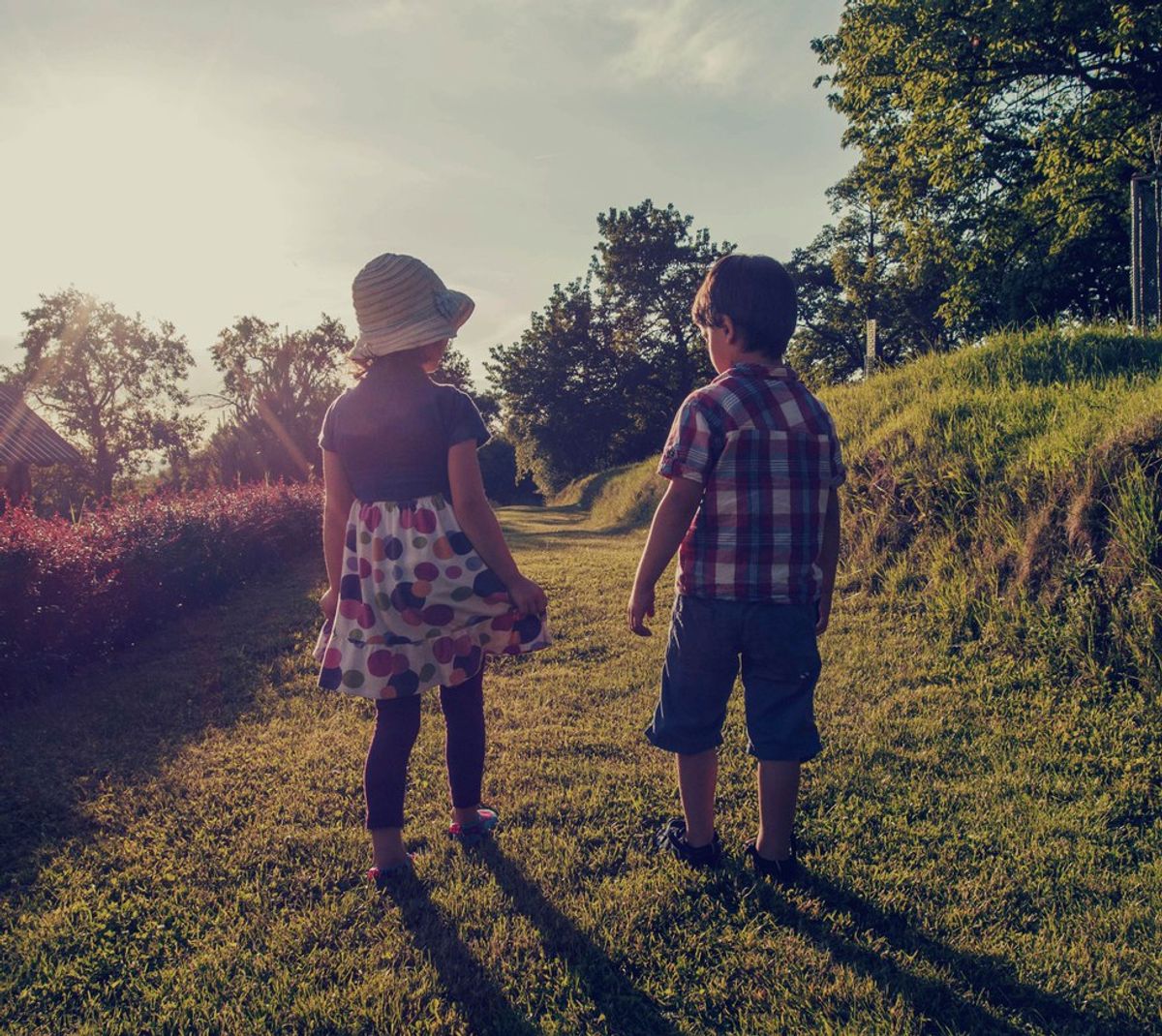
I was born a twin sister to an animated and exuberant brother, Joseph. He expressed all the typical signs of a developing and rambunctious toddler, except for some normal milestones such as talking. Eventually, my parents consulted a neurologist, and after a long string of doctor appointments, Joseph was placed on the autistic spectrum. My parents chose to share the necessary information any five-year-old could process; why Joseph would not be attending my preschool, why Joseph could not speak, why he misbehaved often, etc. At the time I understood Joseph was different, however, I was underexposed to the outside world enough to think this was something every sibling dealt with. It was not until I entered preschool when I truly realized the uniqueness of Joseph’s and my situation.
I thought certain aspects of my life were normal, because I had no comparison. Temper tantrums, non-verbal communication, and abnormal behavior were not foreign entities during my childhood. My family would try to do activities that most toddlers enjoy such as going to the zoo. However, many times we never went inside the zoo or the attraction we planned on attending. We instead spent time in the parking lot, persistently persuading my brother to enter the attraction, and eventually upon his refusal and our defeat, we would venture back home. This cycle was commonplace throughout most of my childhood, and while immensely frustrating, the concept never struck me as weird. Over time, I began to notice that friends and peers did not encounter the same obstacles as myself. They were able to look at the elephants and giraffes with little to no struggle, whereas I could not even get out of the parking lot. As I matured more opportunities became exposed, allowing me to have experiences I was unable to have before. In addition, my new found maturity led me to what I now consider my greatest compromise.
The compromise is simple; there will forever be a barrier of communication between the person I was supposed to be biologically closest to in life and myself. I will never drive with him to school, we will never walk at graduation together, or make reckless decisions on our twenty-first birthday together. I will probably never attend his wedding and I will definitely never be an aunt to his children. I am not bitter about this, but deeply saddened. There are various aspects of life which we will never be able to participate in together; fair or unfair. Ultimately, we do not have control over many things in life, but if I could change just one thing, I would wish he never had autism. This seems impeccably selfish, and maybe on some level it is, but it is the whole-hearted truth. I love Joseph and there are many gifts he has given me, like my ability to be completely unfazed by atypical behavior or my understanding of other people’s differences. I admire his various gifts and talents as well, like his love for computers and passion for music. I even appreciate the little things such as his vibrant spirit and huge smile. Yet, there will always be a large piece of me wishing I could have even just one conversation with a non-autistic Joseph.
There is not a single moment when I do not reflect on Joseph’s profound impact on my world view. He will forever change my perception of patience, love, understanding, equality, and fairness. I am not particularity fond of the compromise I have to make, and autism will forever be known as a compromise to me. That being the case, in a compromise you get a little bit of what you want and a little bit of what you do not want. I may not want his autism, but I will always want his existence.





 man running in forestPhoto by