
"Remember to eat your fruits and vegetables," say all moms everywhere. It's probably one of the best pieces of advice our moms have given us, but eating healthy may seem harder come fall, especially in college. With common produce favorites dwindling, less familiar ones are appearing on supermarket shelves.
But have no fear! Although these fruits and vegetables may seem foreign or aren't very aesthetically pleasing as the summer berries, they are full of antioxidants and nutrients, keeping you healthy and happy in the fall months. So now that the weather is cooler and the leaves are changing colors, it's time to take advantage of these in-season superfoods.
Happy eating!
1. Amaranth
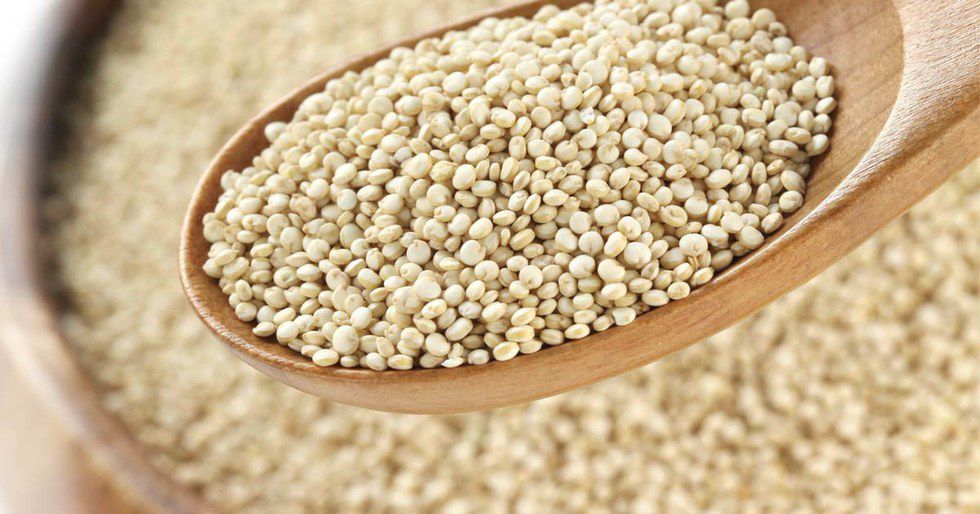
This one is for you, gluten-free folks! Compared nutritionally to other grains, amaranth has far more iron, calcium, protein, manganese, fiber and other phytonutrients than wheat or rice. It is also one of the most protein-rich of any plant-based food. If you like quinoa, you should give amaranth a try!
2. Apples
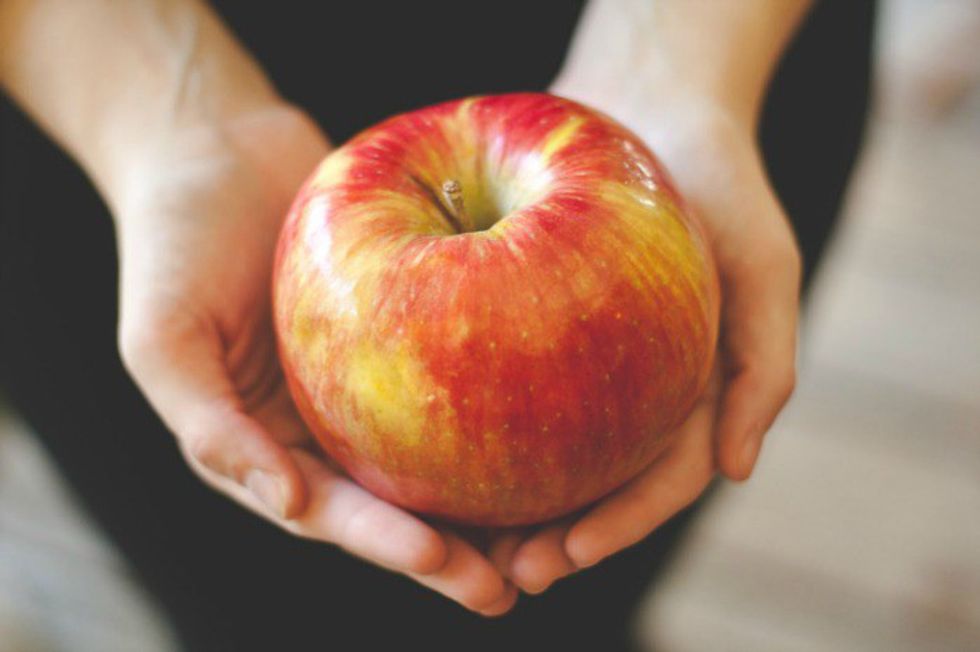
"An apple a day keeps the doctor away!" Eh, one more cliche won't hurt. But really! Few foods are as nutritious as apples, one of the more overlooked superfoods. Their antioxidant content rivals that of berries and their high fiber content aids digestive issues. But here's the catch: in order to obtain all of an apple's benefits, you should eat it all. Most of the fruit's nutrients are in the peel.
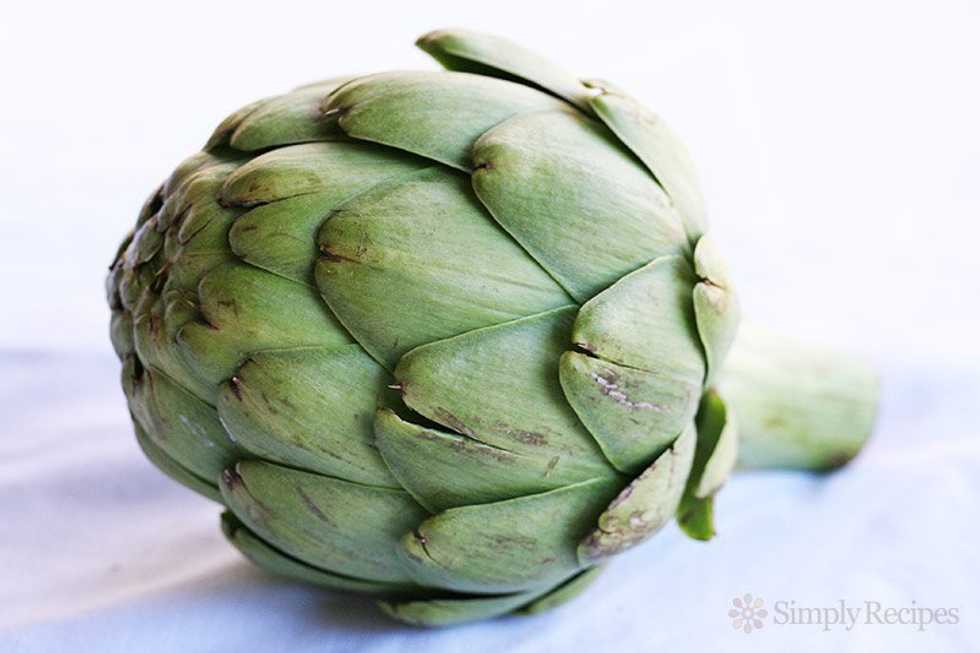
3. Artichokes
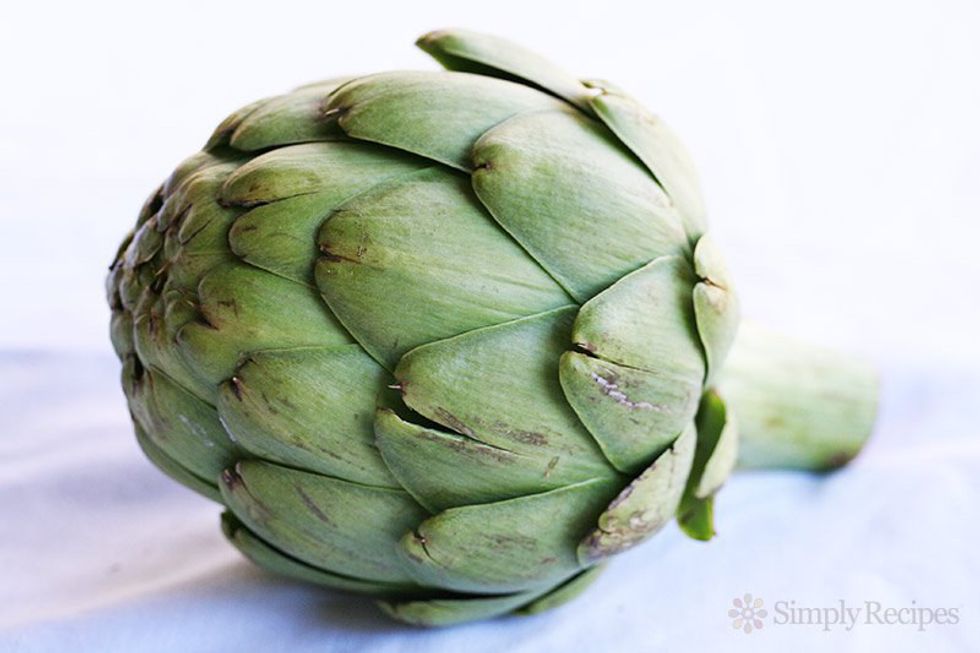
Ah, the amazing artichoke! Known for detoxifying the body and improving the health of the liver, artichokes (which, fun fact, are actually a variety of thistle) have the highest antioxidant levels out of all vegetables. Not only that, but they are low in saturated fat and cholesterol and are a rich source of fiber, vitamins and minerals.
4. Brussels Sprouts
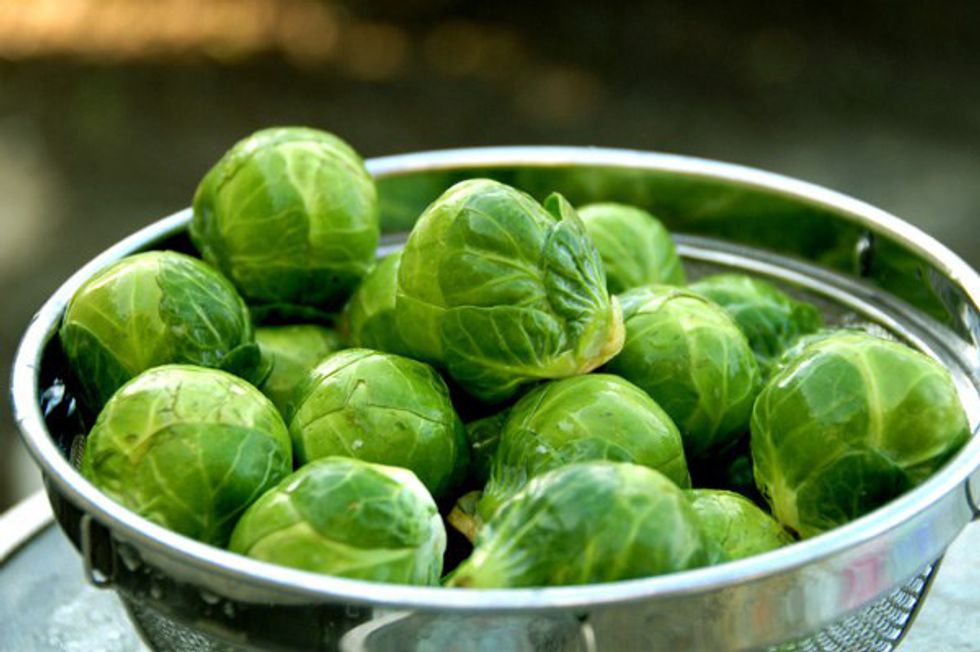
Believe it or not, Brussels sprouts have seen a rise in popularity! Their buds are exceptionally rich in protein, dietary fiber, vitamins, minerals and antioxidants. Brussels sprouts offer protection from vitamin A deficiency, bone loss, and iron-deficiency anemia. Your taste buds may say no, but your body says yes.
5. Butternut Squash
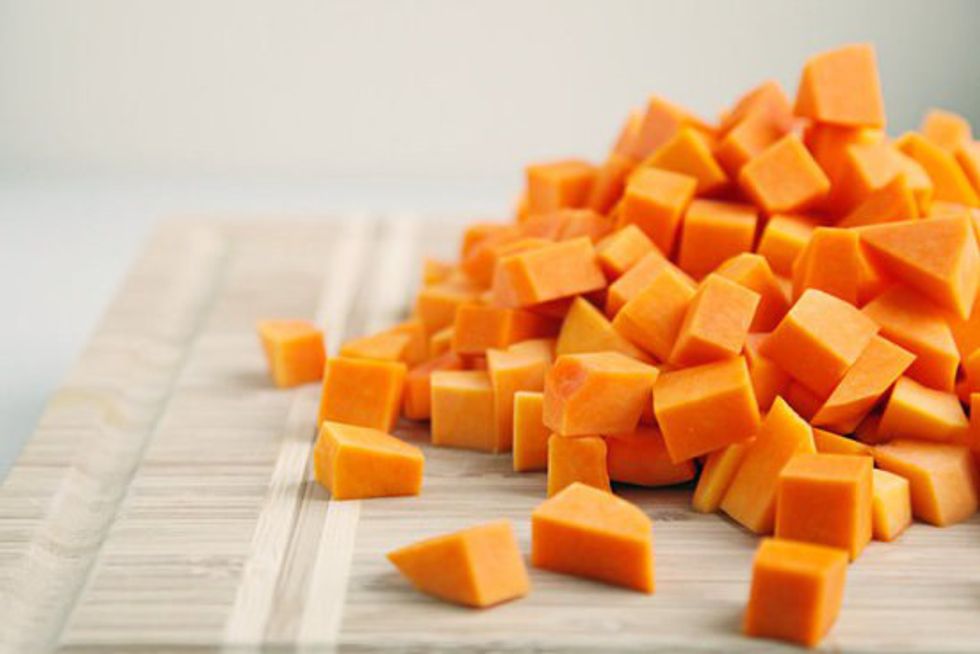
Oh my gourd! Get it? ... Anyways. Fall is every butternut squash fan's favorite season! Its orange color means it is naturally rich in carotenoids, which are known for their cancer-preventing properties as well as their role in promoting eye health. As a plant-based source of omega 3s, butternut squash plays an important role in heart health.
6. Cauliflower
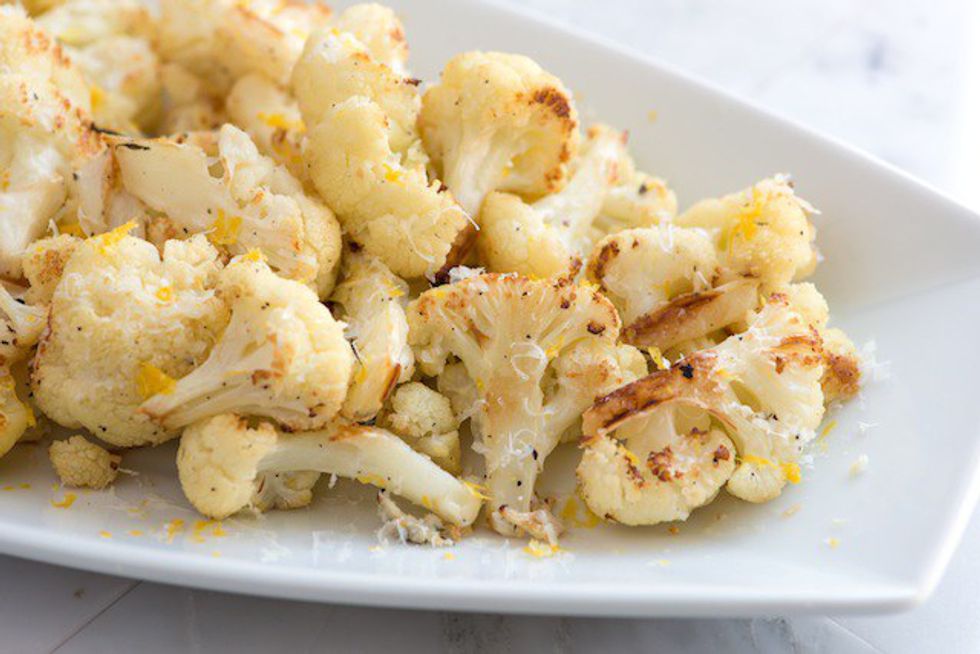
Don't let its bland appearance fool you. This cousin of broccoli is rich in vitamins and minerals, and contains high quantities of omega 3s and fiber. Not only that, but cauliflower has many antioxidant and anti-inflammatory properties. Even if cauliflower isn't your favorite, its mild flavor means it can be combined with other foods and secretly slipped into your diet. Shoutout to cauliflower for being a health benefit in disguise. YGC (You Go, Cauliflower).
7. Cranberries
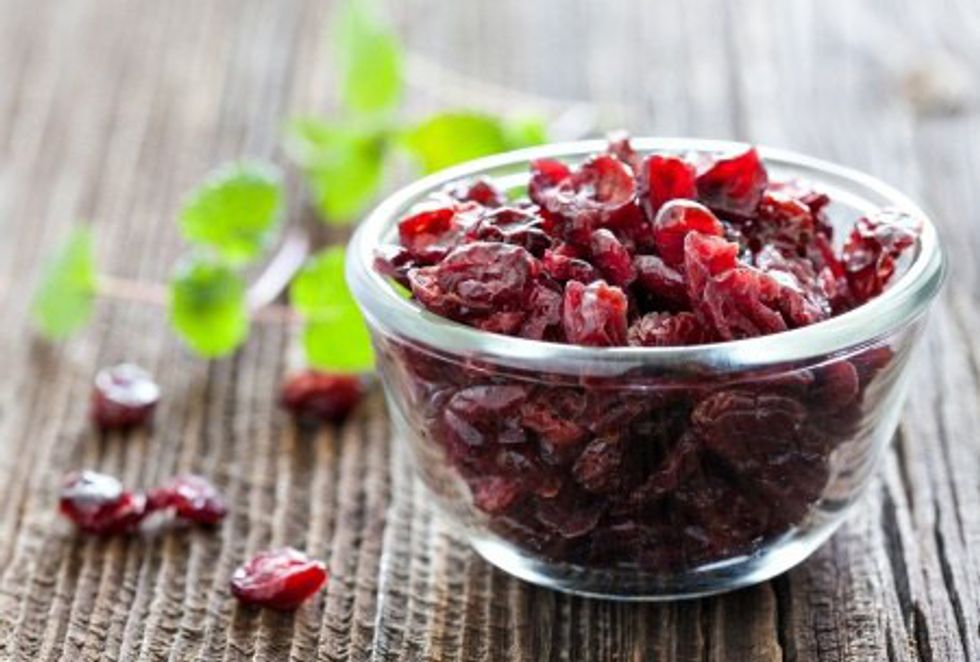
Hey now, cranberries have more benefits than accompanying a turkey on Thanksgiving -- or helping and preventing urinary tract infections. Their high fiber content also promotes digestive health, while the abundance of antioxidants assists with heart health. Mix cranberries with almonds and chocolate chips for an easy, on-the-go snack!
8. Kale
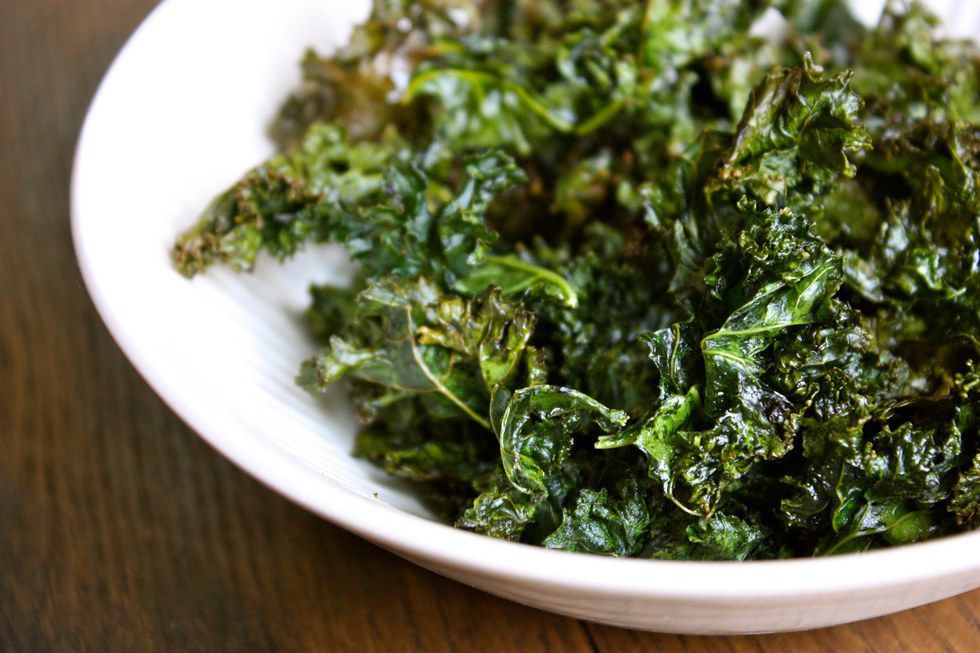
Steamed or roasted, kale is full of vitamin K, can help lower cholesterol, and offers anti-inflammatory benefits. Kale is very high in nutrients and very low in calories, making it one of the most nutrient dense foods on the planet. Whether you roast it in the oven, add it to a salad or put it in a smoothie, kale is extremely versatile.
9. Pears
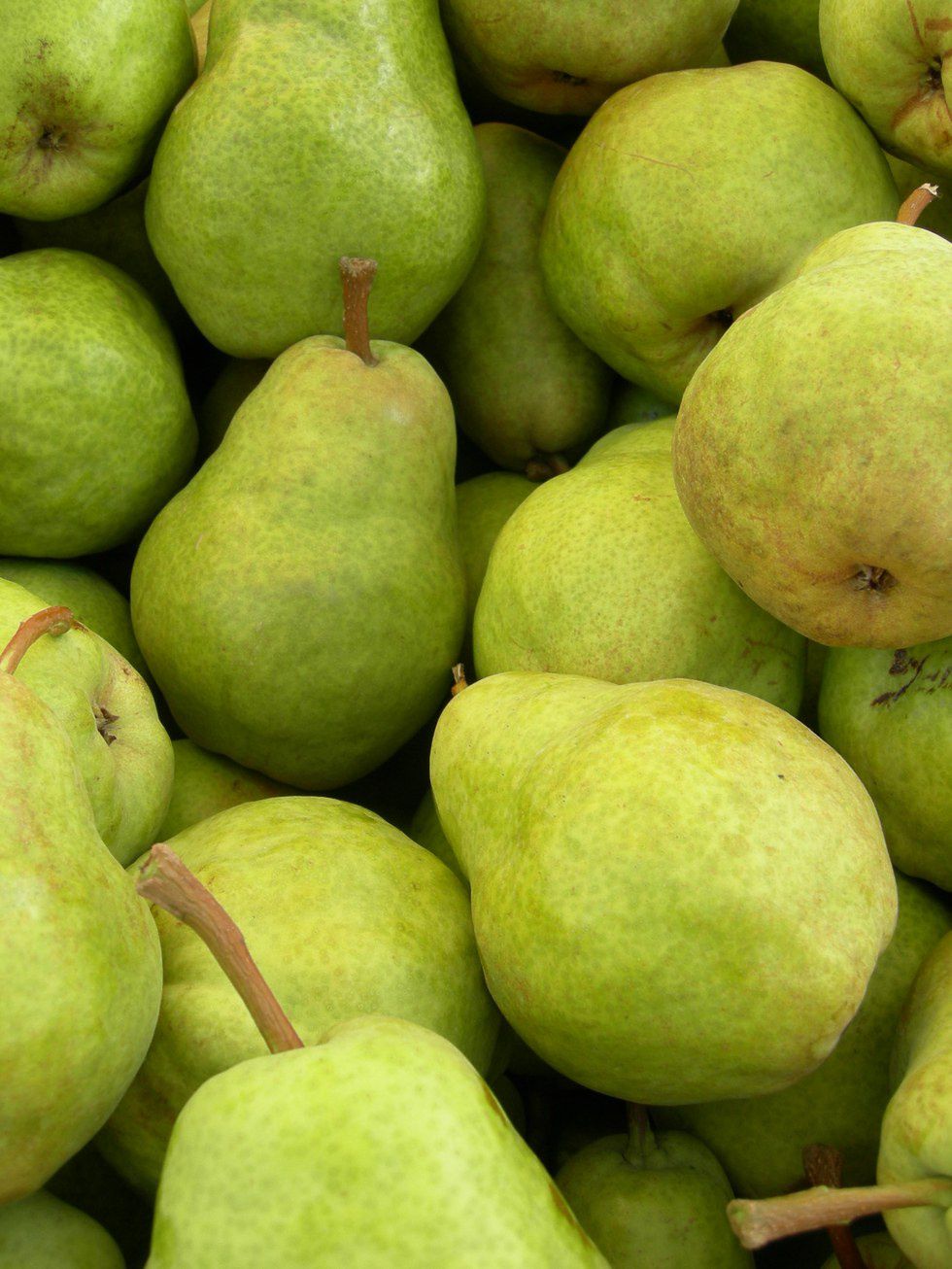
If you're looking for a healthy snack, look no further than a pear. One of the fruits highest in fiber, pears offer about 6 grams that will contribute to your daily requirement. Pears are also known to be a hypoallergenic fruit, meaning those with food sensitivities can usually eat pears with no adverse effects.
10. Pomegranates
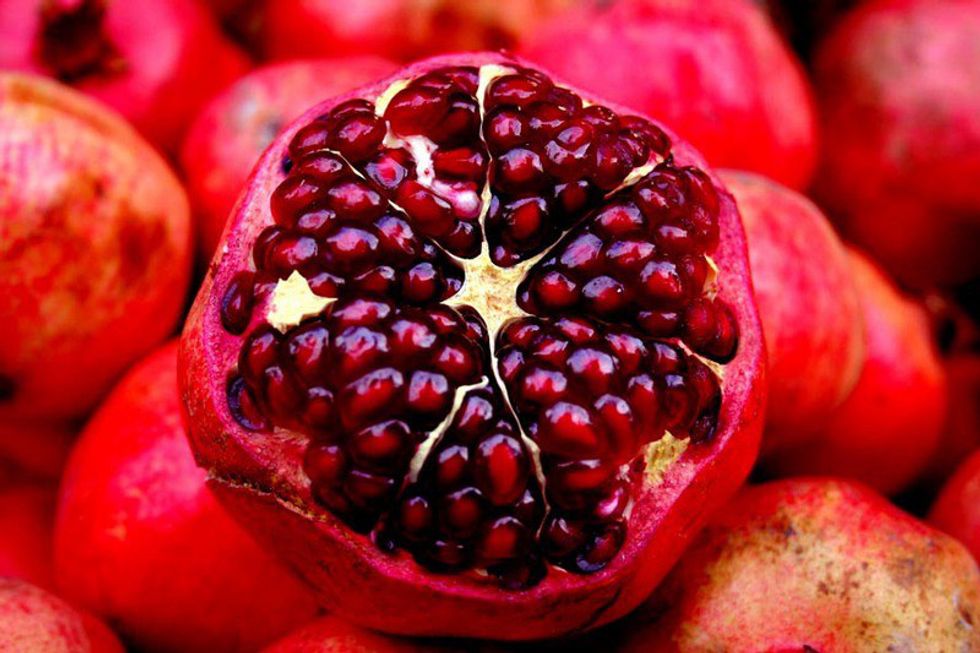
It's what's on the inside that counts -- which is true for the life of a pomegranate! Surrounded by a tough, thick skin, the juice and seeds are the only edible parts of this antioxidant-rich superfruit. The punicalagins in a pomegranate's juice have been shown to reduce inflammation, which is one of the leading components of many fatal diseases.
11. Pumpkin (or Pumpkin Seeds)
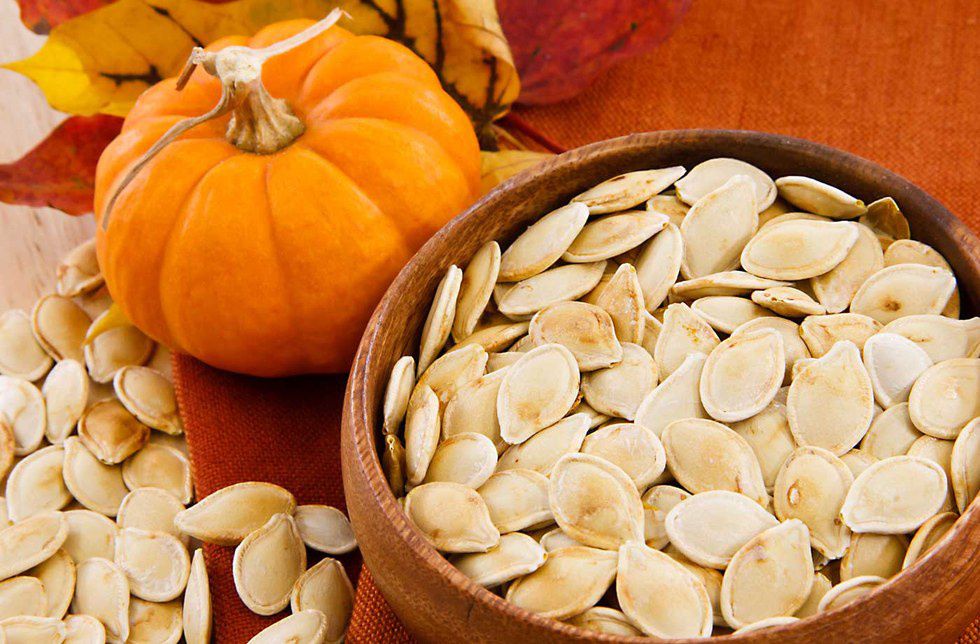
Could I really talk about fall foods without mentioning the pumpkin? No, probably not. But I don't mean pumpkin pie, nor do I mean Thanksgiving. The flesh of the pumpkin is worth having on more than one day a year due to its high quantities of vitamin A, carotenoids and fiber. Don't forget to save the seeds as well! Simply roast them up as a great fiber- and antioxidant-rich snack!
12. Sweet Potatoes
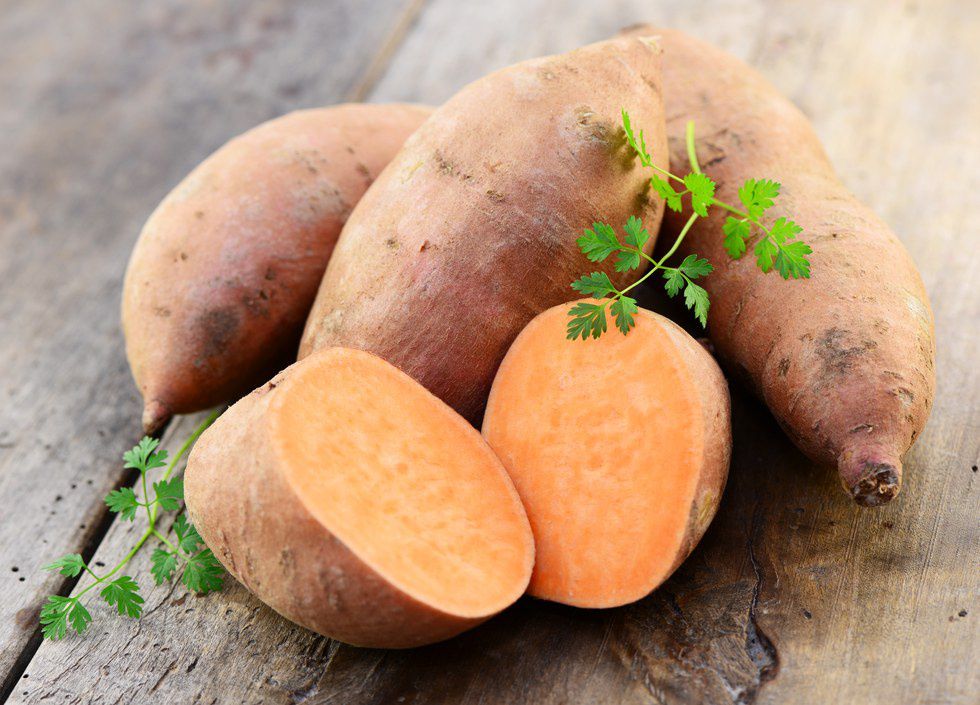
Due to their low glycemic levels and high percentages of vitamins, sweet potatoes are great for weight loss, skin health, and even preventing and fighting cancer. Sweet potatoes don't need to be candied to enjoy, especially because they are loaded with natural sweetness. Similar to previous superfoods, these potatoes contain plentiful antioxidant and anti-inflammatory properties. Helpful tip for college students: sweet potatoes can be cooked in the microwave -- yes, you heard me, no oven -- on high for 8-10 minutes. You're welcome.