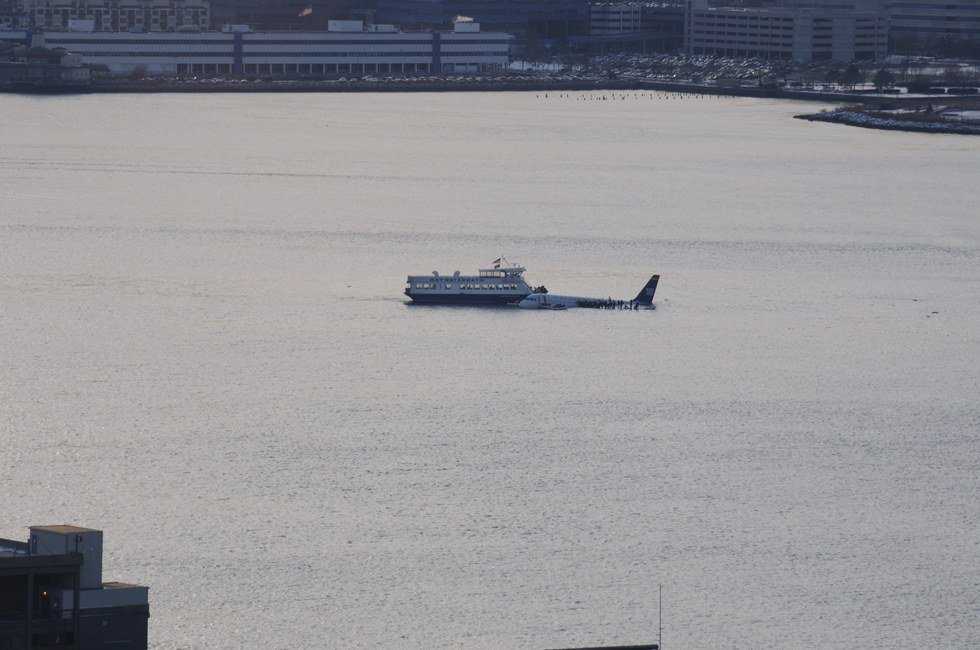
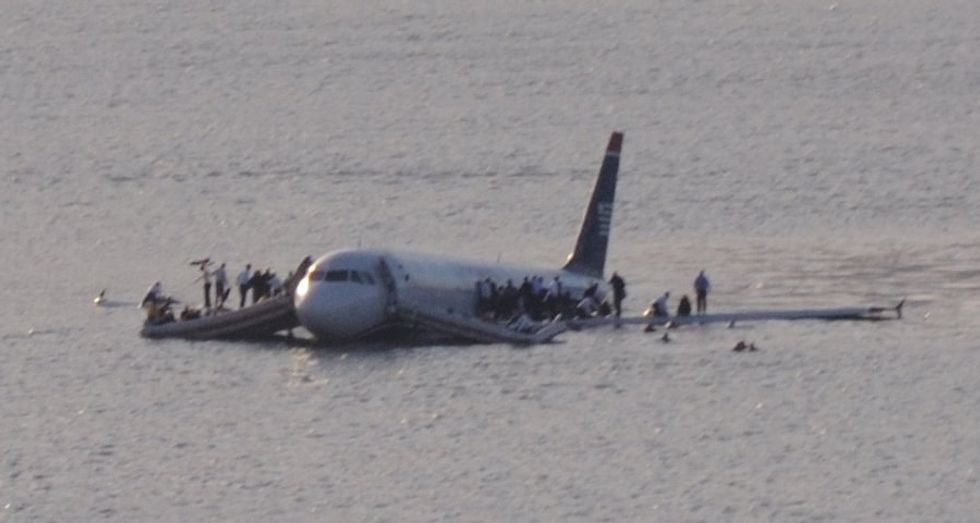
I remember the events of Jan. 15th, 2009. I had just woken up from an after school nap before dinner. My family was watching the news channels report the water landing of U.S. Airways Flight 1549 on the Hudson River, 10 miles from my town. We were in disbelief seeing that the plane was not only still in one piece, but that all of the 155 people on board were both alive and undergoing rescue.
"Sully," a recently released film directed by Clint Eastwood, tells the story of Captain Chesley "Sully" Sullenberger, portrayed by Tom Hanks. We see the landing of Flight 1549 on Jan. 15th, 2009 as a flashback throughout the film. Aside from the story we know, the film also places a heavy focus on the accident investigation by the National Transportation Safety Board (NTSB). The rest of this article contains some spoilers of how the movie is set up, so read through at your own risk.
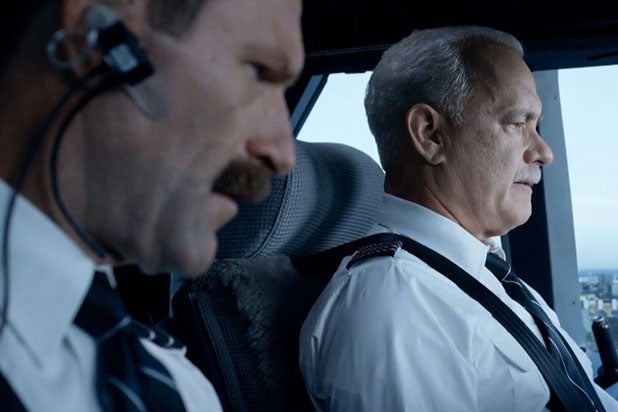
We get the basic idea of the story. A bird strike led to a loss of thrust in both of Flight 1549's engines, leading Captain Sullenberger, Co-Pilot Jeff Skiles and the cabin crew to perform significant actions in order to save the lives of all 150 passengers. This is all told in the flashbacks throughout the movie and during the accident investigation. An important criticism of this movie is that the film greatly exaggerates the NTSB's harsh treatment of Captain Sullenberger.
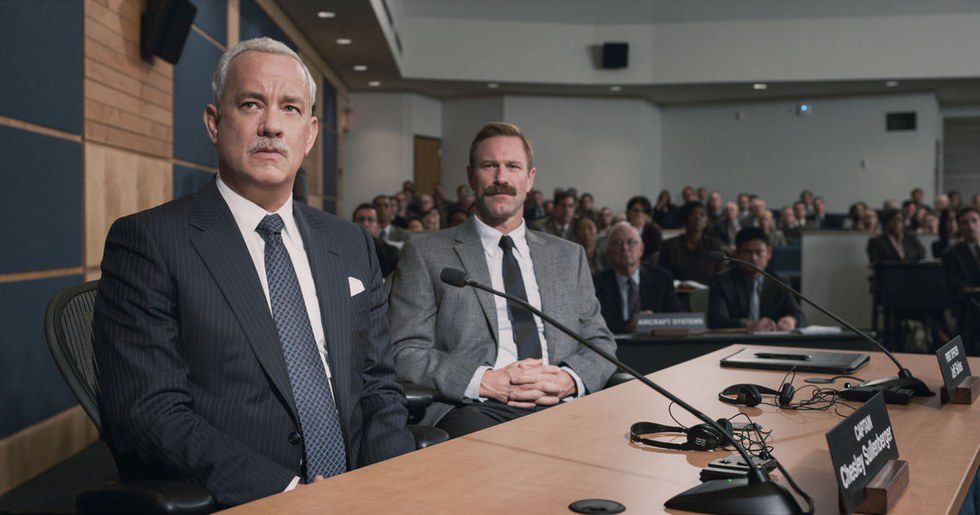
It is certainly normal for an investigation to be conducted following an aircraft incident, and that investigation must be objective and critical of all factors. Difficult questions have to be asked in order to determine every factor involved. It isn't meant to point fingers or blame the pilot and crew, but it's just another part of a thorough investigation. A point brought up in the movie, it is indeed rare that the NTSB actually gets to interview the pilots and crew after a crash.
A second major flag I've noticed was the 9/11 imagery in the film, showing Sully's flashbacks of what could have happened if he had decided to try landing at an airport. The flashbacks show the aircraft scratching against skyscrapers and crashing into buildings. I still do not understand why the film was released two days before the 15th anniversary of the September 11th attacks. The production executives did release a statement on that, but it seems a bit shallow. Director Eastwood's remarks state that this is a story of heroism and lives saved in an airline accident, rather than lost. It appears that the film was released to portray the heroism of this day as a sort of retribution for 9/11. While many on social media are looking past that, others are seeing an issue.
Gross & unnecessary for Eastwood to put dream sequences of plane crashes into NYC bldgs in "Sully" movie then release it on 9/11 wknd.
— Mark Exit Goodchild (@exit1200) September 15, 2016
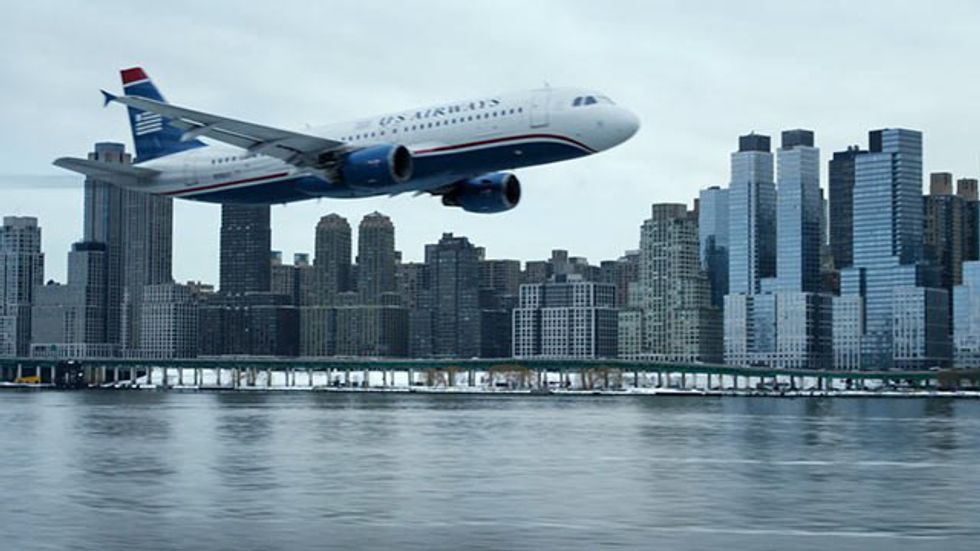
Overall, it was a great experience to revisit the events of Flight 1549. Clint Eastwood's 96-minute film on Sully's 208 seconds to act is a wonderful portrayal of ordinary people doing what their jobs call for when faced with the worst possible circumstances. I have never met or seen anybody debating the actions of Flight 1549's crew. The real Sully has said on multiple occasions that he is not a hero. We may disagree with his modesty in this situation, but it is very motivational to know that average people can perform their jobs excellently when faced with a disaster threatening the lives of all 155 on board an aircraft, and potentially hundreds more on the ground.
I do recommend "Sully" to anyone looking to be reminded of our ordinary heroes. My only criticism was that the film did take a Hollywood approach that slightly blurs the actual story. You would learn more from watching one of the multiple documentaries on Flight 1549, but if you have the opportunity to watch "Sully," I would recommend it.